Reported by Simon Daniel Yusuph l Journalist at Weng Global
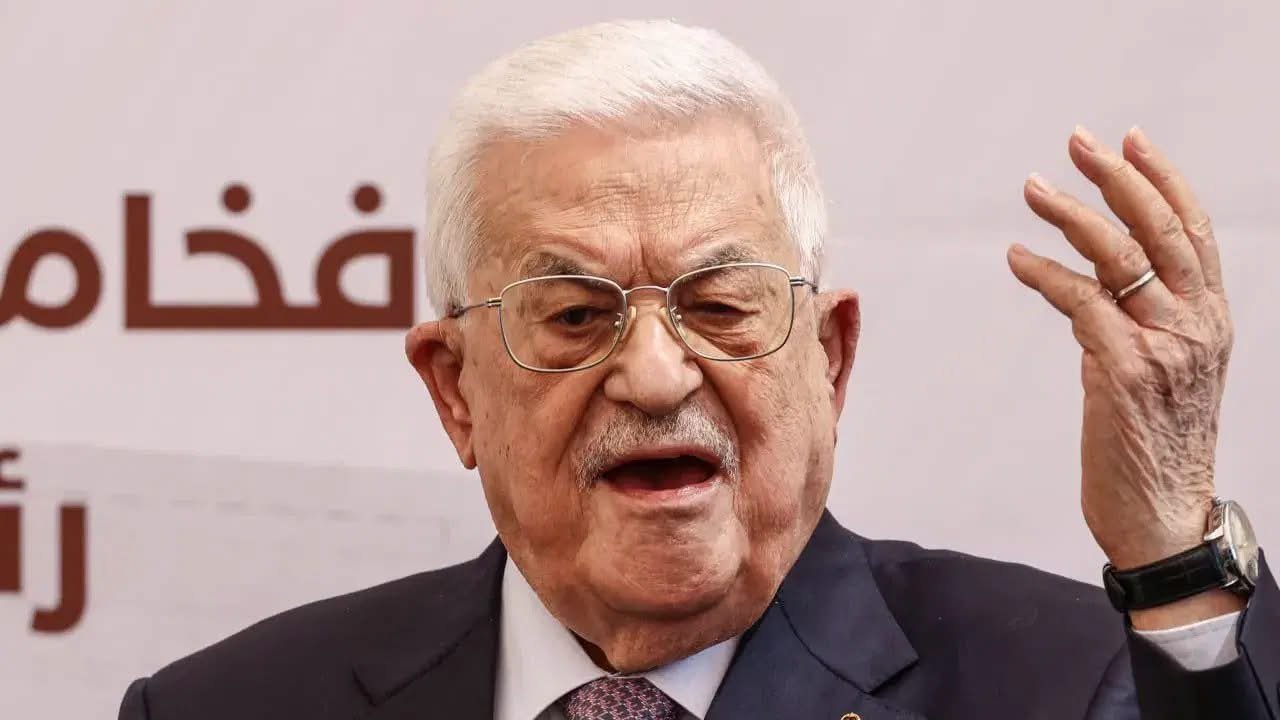
The United States has again denied Palestinian Authority President Mahmoud Abbas a visa to travel to New York for the United Nations General Assembly, preventing him from attending the annual gathering of world leaders in person for a second consecutive year.
The US State Department announced an extension of visa restrictions affecting officials of the Palestinian Authority (PA) and members of the Palestine Liberation Organization (PLO) ahead of the General Assembly, which is due to begin its high-level session next week.
The decision has drawn renewed attention to the diplomatic dispute between Washington and the Palestinian leadership over the Israeli-Palestinian conflict, including Palestinian efforts at international courts and moves towards international recognition of Palestinian statehood.
US Extends Visa Restrictions on Palestinian Officials
The State Department said the PA and PLO had again failed to meet commitments required under US law.
According to the department’s position, the restrictions relate in part to Palestinian actions aimed at what Washington describes as efforts to “internationalize” the Israeli-Palestinian conflict through institutions including the International Criminal Court and the International Court of Justice.
The US has also cited Palestinian efforts to seek unilateral recognition of a Palestinian state and other actions that Washington says undermine prospects for negotiations and peace.
The restrictions cover a number of Palestinian officials, with Abbas among those prevented from travelling to the United States for the UN gathering.
Reuters reported that Washington retains authority to impose visa restrictions on foreign officials on security and foreign-policy grounds, despite the United States being host to the UN headquarters in New York.
Second Consecutive Year Abbas Has Been Barred
The latest decision repeats a measure taken last year.
In 2025, the United States revoked or denied visas affecting Abbas and other Palestinian officials ahead of the General Assembly. The move prevented Abbas from attending the meeting in person.
The United Nations General Assembly subsequently voted to allow Abbas to address the gathering by video. The measure passed overwhelmingly, with 145 countries voting in favour, five against and six abstentions.
The current US decision means Abbas again faces the possibility of participating remotely rather than travelling to New York.
Reports indicate that the General Assembly is expected to consider whether he can deliver a video address this year as well.
Washington’s Position
The US administration has linked the restrictions to its broader policy toward the Palestinian Authority and the Israeli-Palestinian conflict.
Washington has specifically pointed to Palestinian use of international legal institutions, including the ICC and ICJ, as part of what it considers efforts to pursue the conflict outside direct negotiations.
The State Department has also cited Palestinian attempts to obtain international recognition of a Palestinian state without an agreement with Israel.
US officials have additionally raised concerns over Palestinian financial support for families of individuals convicted of attacks against Israelis, according to reporting by Reuters and the Associated Press.
These are the reasons given by the US administration for the continued restrictions and should be distinguished from independent assessments of the Palestinian Authority’s policies.
Palestinian Position
The Palestinian leadership has rejected the US restrictions.
Palestinian officials have described the decision as unjustified and have objected to being prevented from participating directly in the UN’s annual high-level meeting.
The dispute is particularly significant because the Palestinian Authority holds observer status at the United Nations and does not have voting rights as a full UN member.
Nevertheless, Palestinian representatives regularly participate in UN proceedings and use the organisation as an important diplomatic platform.
The latest visa decision therefore affects not only Abbas’s physical presence at the General Assembly but also the manner in which the Palestinian leadership can present its position to the international community.
Why the UN General Assembly Matters
The annual UN General Assembly brings together heads of state and government from across the world for a high-level diplomatic session.
For Palestinian leaders, the gathering has traditionally provided an important international platform for addressing the Israeli-Palestinian conflict, the situation in Gaza and the question of Palestinian statehood.
The inability of Abbas to attend in person limits his participation in meetings and diplomatic engagements normally conducted on the sidelines of the General Assembly.
At the same time, the UN has mechanisms that can allow leaders who cannot travel to participate remotely, as occurred with Abbas following the previous US visa decision.
Broader Diplomatic Dispute
The visa restrictions come amid wider disagreements between Washington and Palestinian institutions over international legal proceedings and diplomatic efforts concerning Israel and Palestine.
The US administration has taken measures against the International Criminal Court and has opposed actions it regards as attempts to use international institutions to pressure Israel.
The Palestinian leadership, meanwhile, has pursued international diplomatic and legal avenues as part of its effort to advance Palestinian statehood and challenge Israeli policies.
The two approaches reflect a broader disagreement over whether major elements of the Israeli-Palestinian conflict should be addressed primarily through direct negotiations or through international institutions.
Abbas May Address UN Remotely
With Abbas prevented from travelling to New York, attention will now turn to the arrangements for Palestinian participation in the General Assembly.
Reports indicate that the UN General Assembly is expected to consider allowing Abbas to address the meeting by video, similar to the arrangement made following last year’s visa denial.
Palestinian diplomats will also continue representing the Palestinian position at the United Nations regardless of whether Abbas is physically present.
The situation means that the annual General Assembly is likely to once again become a stage for debate over Palestinian diplomatic access, US visa policy and the wider international response to the Israeli-Palestinian conflict.
What Happens Next
The immediate next step is the opening of the UN General Assembly’s high-level session in New York, where member states and participating Palestinian representatives will engage in diplomatic discussions.
The General Assembly will also determine whether Abbas can deliver his address remotely.
For Washington, the extension of the visa restrictions reinforces its stated position that Palestinian officials must meet specified commitments and avoid actions the US considers damaging to peace negotiations.
For the Palestinian leadership, the decision creates another obstacle to Abbas’s physical participation in the most prominent annual gathering of world leaders.
The dispute is therefore expected to remain part of the wider diplomatic debate surrounding the Israeli-Palestinian conflict during this year’s UN General Assembly.
Weng Global- Stories beyond borders
Sources
- Reuters — Report on the US extension of visa sanctions against Palestinian Authority officials and PLO members, September 17, 2026.
- Associated Press (AP) — Report on the renewed denial of visas to Mahmoud Abbas and other senior Palestinian officials, September 17, 2026.
- Al Jazeera — Report on the US extension of visa restrictions affecting Abbas and Palestinian officials, September 17, 2026.
- The National — Report on the US denial of Abbas’s visa and possible remote participation at the UN General Assembly, September 17, 2026.
- UN General Assembly / Associated Press — Background on the previous decision allowing Abbas to address the UN remotely following a US visa denial.