Reported by Simon yusuph, | Journalist at wengglobal
The National Economic Council (NEC) has approved the refinancing of Nigeria’s $3.3 billion Project Gazelle facility, a major financial restructuring expected to reduce borrowing costs, improve fiscal flexibility, and unlock additional liquidity for the country’s economy.
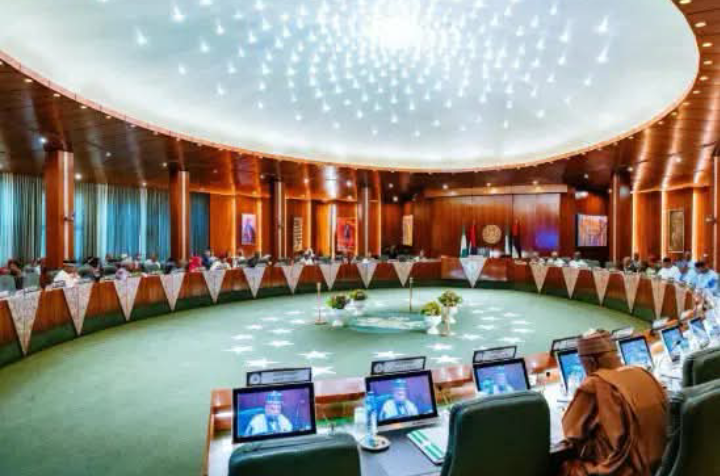
The approval, reached during the latest NEC meeting chaired by Vice President Kashim Shettima, represents another step in the Federal Government’s broader strategy to strengthen public finances while supporting macroeconomic stability amid ongoing economic reforms.
Project Gazelle, originally secured through the Nigerian National Petroleum Company Limited (NNPCL) and backed by future crude oil deliveries, was arranged in 2023 to provide emergency foreign exchange liquidity and help stabilize Nigeria’s financial markets during a period of significant pressure on the naira. Since then, the facility has remained one of the country’s largest oil-backed financing arrangements.
Refinancing aimed at lowering financing costs
According to government officials, the approved refinancing will replace the existing financing structure with more favourable terms, reducing the overall cost of servicing the debt while extending repayment flexibility.
Authorities said the restructuring is designed to optimize the country’s financing obligations rather than increase its debt exposure. Officials also noted that the improved terms are expected to free up additional liquidity that can support government priorities, infrastructure financing and broader economic development.
The refinancing aligns with the administration’s wider efforts to improve debt management, reduce expensive borrowing, and enhance investor confidence in Nigeria’s economy.
Economic analysts say refinancing expensive debt with lower-cost instruments is a common fiscal strategy adopted by governments seeking to improve debt sustainability while preserving fiscal space for development spending.
Understanding Project Gazelle
Project Gazelle emerged in August 2023 when the NNPCL secured a $3.3 billion crude-backed emergency financing facility arranged by the African Export-Import Bank (Afreximbank).
The transaction was designed to provide immediate foreign exchange liquidity and support the Federal Government’s fiscal and monetary reforms during a period of exchange-rate volatility.
The financing structure involved future crude oil deliveries serving as repayment security through a special purpose vehicle known as Project Gazelle Funding Limited.
Since its launch, the project has attracted considerable public attention because of its size, repayment structure and strategic importance to Nigeria’s foreign exchange management.
Government officials have consistently maintained that the arrangement was intended to stabilize financial markets while supporting economic reforms during a challenging macroeconomic period.
Why the refinancing matters
The latest refinancing approval is expected to generate several potential economic benefits.
By lowering financing costs, government resources previously committed to servicing higher-cost debt could become available for other national priorities.
The restructuring may also improve cash flow management, strengthen Nigeria’s fiscal position and reinforce investor confidence in the country’s economic reform programme.
Financial experts note that successful refinancing of large sovereign-backed facilities often sends positive signals to international investors regarding a government’s commitment to prudent debt management.
The move also comes as Nigeria continues implementing reforms aimed at restoring macroeconomic stability, attracting investment and expanding economic growth.
Broader economic reform agenda
The NEC decision complements ongoing fiscal and monetary reforms introduced by the Federal Government over the past two years.
Authorities have emphasized improved revenue generation, exchange-rate reforms, debt optimization and infrastructure financing as key pillars of the administration’s economic agenda.
Government officials argue that optimizing existing debt obligations through refinancing can improve public finance management without adding unnecessary fiscal pressure.
The approval also reflects increasing emphasis on strategic financial engineering to support long-term economic development while maintaining responsible debt sustainability.
Analysts weigh implications
Economists say the success of the refinancing will depend largely on the final financing terms, market conditions and implementation efficiency.
If executed successfully, analysts believe the transaction could reduce annual debt servicing costs, improve government liquidity and enhance Nigeria’s credit profile.
However, some experts continue to stress the importance of transparency in crude-backed financing arrangements, arguing that detailed disclosures help strengthen public confidence and reassure investors.
They also note that sustained improvements in crude oil production, export earnings and foreign exchange inflows will remain critical to maximizing the benefits of any refinancing programme.
Market outlook
Nigeria has increasingly relied on innovative financing mechanisms to bridge fiscal gaps while supporting critical economic reforms.
Refinancing Project Gazelle reflects a broader trend among emerging economies seeking to restructure existing obligations rather than accumulate more expensive debt.
Investors will likely monitor the implementation closely, particularly the revised financing terms, repayment profile and projected savings.
Market observers believe successful execution could strengthen Nigeria’s standing in international capital markets and improve future access to financing on more competitive terms.
Looking ahead
The NEC’s approval represents an important milestone in Nigeria’s ongoing effort to optimize public debt management while maintaining momentum behind broader economic reforms.
Although the refinancing does not eliminate Nigeria’s debt obligations, it is expected to improve financial efficiency by reducing borrowing costs and creating additional fiscal space.
As implementation progresses, stakeholders will be watching whether the anticipated savings translate into greater investment in infrastructure, social services and productive sectors capable of supporting inclusive economic growth.
For Africa’s largest economy, the restructuring of Project Gazelle underscores the increasing importance of strategic financial management in navigating global economic uncertainty while pursuing sustainable development objectives.
Sources
- Vanguard Nigeria
- The Presidency (State House)
- Channels Television
- The PUNCH
- Reuters (background reporting on Nigeria’s economic reforms)
- African Export-Import Bank (Afreximbank) official statements