Reported by Simon yusuph,| Journalist at wengglobal
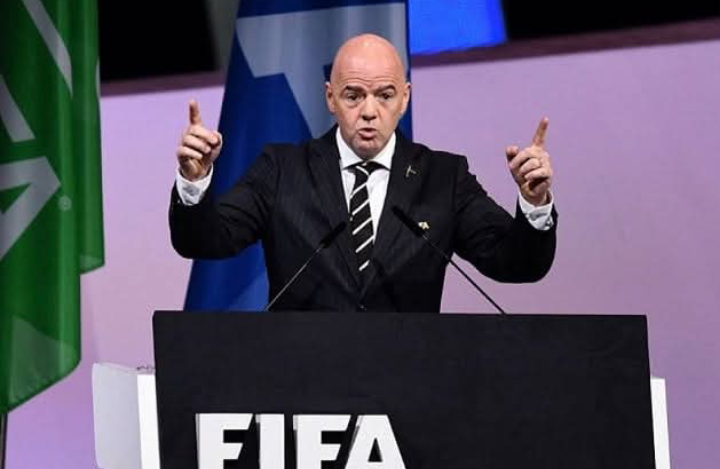
ZURICH, Switzerland — FIFA President Gianni Infantino has confirmed that world football’s governing body has withdrawn its controversial proposal to create a new commercial investment structure linked to the FIFA World Cup following widespread opposition from football stakeholders, including continental confederations, national associations, and senior officials within FIFA itself.
The decision marks a significant reversal for FIFA after days of intense criticism over plans to establish a commercial subsidiary that would have allowed private investors to acquire a minority stake in future revenues generated by the men’s FIFA World Cup, the FIFA Women’s World Cup, and other major FIFA competitions.
Infantino said the proposal would no longer proceed after consultations revealed that it had become increasingly divisive within the global football community.
“Having listened carefully to all the views, it has become clear that the project has created divisions that are no longer in the interest of the objective we originally set out to achieve,” Infantino said in a statement quoted by multiple international media outlets. He added that FIFA’s mission remains to unite the football world and expand investment in the development of the sport globally.
A Proposal That Sparked Worldwide Opposition
The abandoned initiative, widely referred to as the FIFA Forward Enterprise (FFE) proposal, sought to establish a new commercial entity responsible for managing FIFA’s commercial rights. Under the plan, private investors would have been offered a minority ownership stake in exchange for billions of dollars in fresh capital.
According to FIFA, the investment would have significantly increased funding available for football development programmes across its 211 member associations, with projections suggesting more than US$10 billion could be distributed over the next four years if the proposal received approval.
However, the proposal immediately generated controversy.
Critics argued that allowing private investors to benefit from revenues tied to the World Cup the most prestigious competition in international football risked commercialising one of the sport’s most important global assets.
Several football leaders also questioned the speed with which the proposal was introduced and the limited consultation preceding its announcement.
UEFA Led Resistance
One of the strongest objections came from UEFA, European football’s governing body, which warned that the proposal crossed a fundamental line regarding the ownership and governance of football.
UEFA argued that the FIFA World Cup should remain under the exclusive stewardship of football’s governing institutions rather than becoming associated with external commercial investors.
Reports indicated that opposition extended beyond Europe, with other continental confederations expressing reservations about both the structure of the proposal and the decision-making process surrounding it.
The growing resistance significantly reduced the likelihood that FIFA could secure the broad consensus traditionally sought for major governance reforms.
Internal Criticism Intensified Pressure
The controversy also exposed rare public divisions within FIFA’s senior leadership.
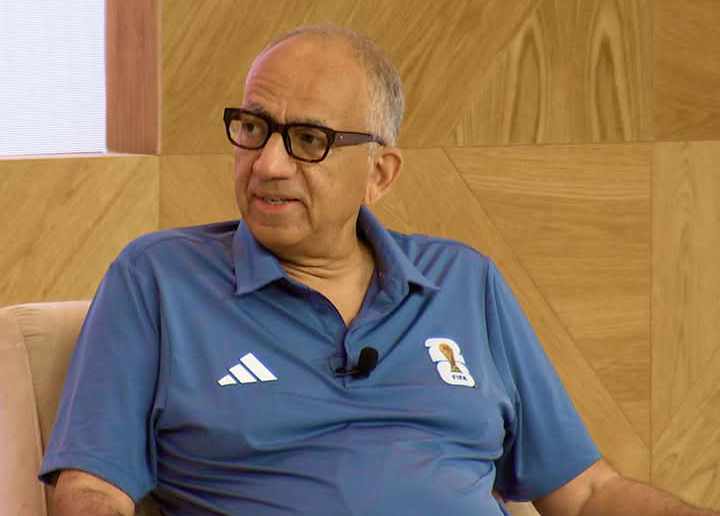
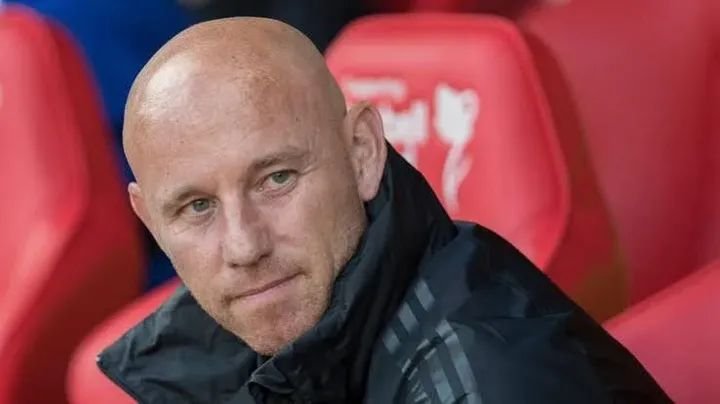
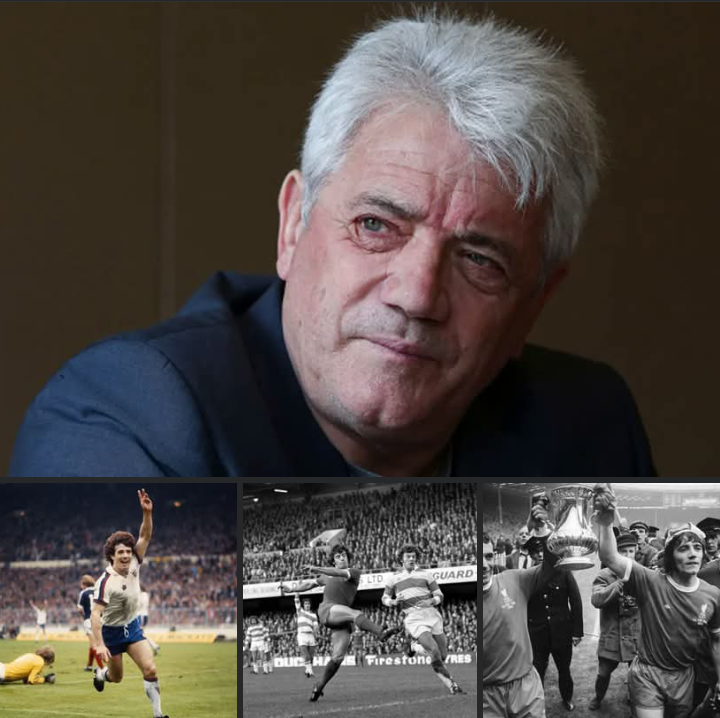
FIFA Chief Operating Officer Kevin Lamour criticised the proposal, reportedly describing it as a project that lacked adequate transparency and consultation. Former FIFA adviser Carlos Cordeiro also resigned, saying he could not support a plan he believed was not in the long-term interests of world football.
The resignations and internal criticism heightened scrutiny of FIFA’s governance processes and increased pressure on Infantino to reconsider the initiative.
Governance experts noted that such public disagreement among senior FIFA officials is unusual and reflected the depth of concern surrounding the proposal.
Why FIFA Wanted Outside Investment
Supporters of the investment proposal argued that additional private capital could accelerate football development worldwide.
FIFA has consistently expanded its investment in grassroots football, infrastructure, youth development, women’s football, coaching education, and referee training through its FIFA Forward programme.
Infantino has repeatedly stated that increasing FIFA’s commercial revenues enables the organisation to distribute more funding to developing football nations, particularly in Africa, Asia, Oceania, and the Caribbean.
Following the financial success of the expanded 2026 FIFA World Cup, FIFA reported record revenues and suggested that additional commercial opportunities could further strengthen long-term investment in the global game.
Nevertheless, critics maintained that FIFA already possesses sufficient financial resources and should finance future development initiatives without selling stakes linked to its flagship competitions.
Implications for Global Football
The withdrawal of the proposal is widely viewed as a victory for football associations and stakeholders advocating greater transparency in sports governance.
Observers say the episode underscores the importance of broad consultation before introducing major structural reforms affecting international sport.
For many member associations particularly across Africa, where FIFA development funding plays a vital role in football infrastructure and grassroots programmes the debate highlighted the delicate balance between securing new financial resources and preserving institutional independence.
Football governance specialists also note that while the investment proposal has been abandoned, discussions about expanding sustainable funding for global football are likely to continue.
The challenge for FIFA will be identifying alternative financing mechanisms capable of supporting football development without generating concerns over commercial influence or governance.
Leadership Questions Remain
Although Infantino has withdrawn the proposal, analysts believe the controversy may have lasting political consequences within FIFA.
The intense criticism from confederations, national associations, and senior executives has prompted renewed discussion about governance, accountability, and decision-making within world football’s governing body.
Despite the setback, Infantino has reaffirmed FIFA’s commitment to strengthening unity across international football and working collaboratively with stakeholders to develop new strategies for investing in the sport.
Whether this episode affects his leadership in the long term remains to be seen, but it has undoubtedly become one of the most significant governance controversies during his presidency.
Looking Ahead
FIFA’s decision to abandon the World Cup investment proposal reflects the influence of collective opposition from across the global football community. While the governing body remains committed to expanding financial support for football development worldwide, the withdrawal demonstrates that reforms affecting the sport’s most valuable competitions require broad consensus, transparency, and trust.
As football continues to grow commercially across every continent, including Africa, future debates will likely focus on how governing bodies can generate sustainable investment while safeguarding the integrity, independence, and universal appeal of the world’s most popular sport.
Sources
- Reuters
- Associated Press (AP)
- The Guardian
- Sky Sports
- Financial Times
- FIFA