Reported by Simon yusuph, | Journalist at wengglobal
The resignation of Carlos Cordeiro as a senior adviser to FIFA President Gianni Infantino marks a significant development in the ongoing debate over the future financing and commercial governance of international football. The move comes after the Asian Football Confederation (AFC) joined UEFA and Concacaf in publicly opposing FIFA’s proposed investment initiative, a plan that has generated increasing resistance from some of the world’s most influential football confederations.
Cordeiro’s departure highlights the widening divisions within global football administration over how the sport’s flagship competitions, particularly the FIFA World Cup, should be funded and commercially managed. As regional confederations push back against the proposal, the episode raises broader questions about governance, transparency, and the balance of power within FIFA.
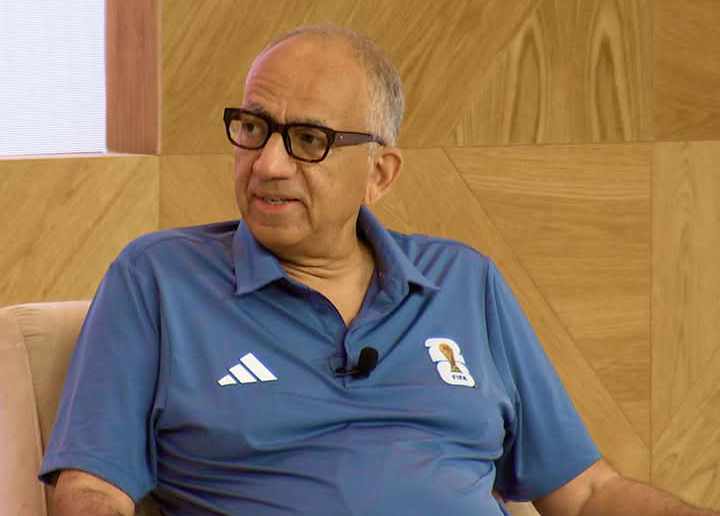
Carlos Cordeiro, a former president of the United States Soccer Federation, has served as one of Gianni Infantino’s trusted advisers on strategic and commercial matters in recent years. His experience in football administration and commercial development made him a key figure in discussions surrounding FIFA’s long-term financial strategy.
However, multiple international media reports indicate that Cordeiro has stepped down from his advisory role shortly after opposition to FIFA’s proposed investment model expanded beyond Europe and North America to include Asia.
The timing of his resignation has drawn considerable attention because it coincides with mounting resistance from several continental football governing bodies.
At the centre of the dispute is FIFA’s proposal to attract external investment into commercial rights linked to the men’s FIFA World Cup and other major competitions.
Although FIFA has argued that outside investment could unlock new financial opportunities, accelerate football development and increase revenues for member associations worldwide, critics have expressed concern over the long-term implications of involving private investors in football’s most valuable commercial assets.
Several confederations have reportedly questioned the governance framework, valuation methods, transparency surrounding the proposal and the potential impact on existing commercial agreements.
The AFC’s decision to align with UEFA and Concacaf represents a significant shift in the conversation.
UEFA had earlier voiced reservations regarding the proposal, warning that any decision affecting football’s commercial future should involve broad consultation with stakeholders.
Concacaf also expressed concerns over the structure and strategic implications of the investment plan.
With Asia now joining Europe and North America in opposing the initiative, the proposal faces resistance from confederations representing a substantial proportion of the global football community.
The development places additional pressure on FIFA leadership to either revise the proposal or engage in more extensive dialogue with its member confederations before pursuing any major commercial restructuring.
Carlos Cordeiro has not publicly framed his resignation as a direct criticism of FIFA President Gianni Infantino. However, the close timing between his departure and the growing opposition has inevitably fuelled speculation about whether internal disagreements played a role.
Neither FIFA nor Cordeiro has suggested any personal dispute, and public statements have largely remained measured.
Football governance experts note that senior advisory resignations during periods of institutional disagreement often attract heightened scrutiny because advisers frequently help shape strategic decisions behind the scenes.
Whether Cordeiro’s departure reflects broader internal differences or simply represents a personal decision remains unclear.
FIFA has consistently argued that expanding commercial partnerships is necessary to support football development across all six continental confederations.
The organisation has repeatedly stated that increased revenues would allow larger investments in infrastructure, youth football, women’s football, coaching programmes and grassroots initiatives, particularly in emerging football nations.
Infantino’s administration has emphasised its commitment to redistributing football revenues more broadly than in previous decades, positioning commercial growth as essential to achieving that objective.
Supporters of FIFA’s broader commercial strategy argue that football must continue adapting to a rapidly changing global sports economy, where competition for investment, broadcasting audiences and sponsorship revenue continues to intensify.
Critics, however, maintain that reforms affecting football’s premier competitions should prioritise institutional accountability and preserve the independence of the sport from excessive external financial influence.
For African football stakeholders, the debate carries particular importance.
Many African football associations depend heavily on FIFA development funding for infrastructure projects, referee education, youth academies and women’s football initiatives.
Any commercial reforms that increase available resources could potentially benefit developing football nations across Africa. At the same time, African administrators are expected to seek assurances that governance standards remain strong and that future commercial arrangements protect the interests of member associations.
Observers across the continent continue to monitor developments closely, recognising that decisions taken within FIFA’s executive structures often have direct consequences for football investment and development programmes across Africa.
The latest developments also underscore the increasingly complex relationship between FIFA and its continental confederations.
While FIFA remains football’s global governing body, successful implementation of major commercial reforms typically depends on broad support from regional organisations.
The emergence of coordinated opposition from multiple confederations demonstrates the importance of consensus-building in international football governance.
As discussions continue, attention will focus on whether FIFA revises the investment proposal, seeks additional consultation or presents alternative financing mechanisms capable of addressing the concerns raised by member confederations.
Carlos Cordeiro’s resignation adds another layer of uncertainty to an already sensitive debate.
Although it does not necessarily alter FIFA’s strategic direction, it highlights the challenges facing football’s governing institutions as they attempt to balance commercial expansion with transparency, accountability and stakeholder confidence.
The coming months are expected to determine whether FIFA can build broader consensus around its commercial ambitions or whether the proposal will undergo substantial revision in response to opposition from key football confederations.
For global football and for developing football nations across Africa the outcome could shape the future financing of the world’s most popular sport for years to come.
Sources:
- Reuters
- Associated Press (AP)
- ESPN
- The Athletic
- FIFA
- UEFA
- Asian Football Confederation (AFC)
- Concacaf