Reported by Weng Patrick Atokor | Journalist at Weng Global
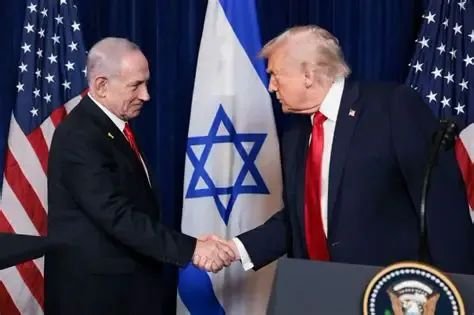
United States President Donald Trump has announced that the United States and Israel are prepared to suspend further military strikes against Iran if negotiations quickly produce an agreement to end the months-long conflict, reopen the strategically vital Strait of Hormuz, and address broader regional security concerns. The announcement marks the latest diplomatic opening in one of the Middle East’s most dangerous confrontations in recent years.
Speaking through a post on his Truth Social platform and later confirmed by senior administration officials, Trump said Washington was willing to pause planned military operations to give diplomacy a final opportunity. He stressed that any suspension of attacks would depend on Iran agreeing to a comprehensive framework aimed at ending hostilities and restoring freedom of navigation through the Strait of Hormuz, a critical shipping route for global oil and gas supplies.
According to Trump, Israel has agreed to support the temporary halt, provided negotiations move swiftly and demonstrate genuine commitment from Tehran. The proposed arrangement would also seek to reduce the threat posed by Iran’s missile capabilities while laying the groundwork for renewed discussions over its nuclear programme.
The announcement follows months of escalating military exchanges between Iran, the United States and Israel. The conflict has expanded beyond direct strikes, affecting maritime security in the Persian Gulf and causing repeated disruptions to commercial shipping through the Strait of Hormuz.
The waterway remains one of the world’s most strategically important maritime corridors, with a significant share of globally traded crude oil passing through it every day. Any interruption to shipping there immediately affects international energy markets and raises concerns among governments and businesses worldwide.
Trump indicated that reopening the Strait of Hormuz without restrictions remains one of Washington’s principal objectives.
“Our goal is peace, stability and safe passage for international commerce,” the president reportedly said while emphasizing that military action could resume if negotiations fail.
Diplomacy Takes Centre Stage
Reports indicate that intensive diplomatic efforts involving Saudi Arabia, Oman, Qatar and several other regional governments have accelerated over recent days.
Saudi Crown Prince Mohammed bin Salman is said to have urged restraint, warning that a wider regional war could threaten Gulf energy infrastructure and trigger broader economic consequences.
Officials familiar with the discussions say mediators are attempting to secure an agreement that would:
- End active military strikes between Iran, Israel and the United States.
- Guarantee unrestricted navigation through the Strait of Hormuz.
- Resume negotiations over Iran’s nuclear programme.
- Reduce the risk of attacks on commercial shipping.
- Establish mechanisms for future regional security cooperation.
Despite the optimism expressed by Washington, Tehran has yet to publicly endorse Trump’s proposal.
Iranian officials have maintained that any future agreement must respect Iran’s sovereignty while insisting that its nuclear activities remain peaceful.
Analysts note that previous ceasefire announcements have collapsed within weeks, making many observers cautious about predicting a lasting breakthrough.
Economic Stakes Remain High
The conflict has already imposed heavy economic costs across the region.
Repeated attacks on shipping routes and energy facilities have pushed oil prices higher, disrupted supply chains and increased insurance costs for commercial vessels operating in the Gulf.
Energy analysts warn that any prolonged closure or disruption of the Strait of Hormuz could significantly affect global fuel prices, inflation and economic recovery in many countries.
Financial markets reacted positively to Trump’s latest announcement, interpreting the proposed pause as a possible step toward reducing geopolitical risks, although investors remain cautious pending Iran’s response.
Israel Maintains Firm Position
Israeli officials continue to insist that any diplomatic agreement must prevent Iran from rebuilding military capabilities that could threaten Israeli security.
While supporting Washington’s diplomatic initiative, Israel has reportedly made clear that it reserves the right to resume military operations should Iran violate any future agreement or accelerate weapons development.
This position reflects longstanding Israeli concerns over Iran’s missile programme and regional influence.
International Community Calls for Restraint
Governments across Europe, Asia and the Middle East have welcomed renewed diplomatic efforts.
International organisations have repeatedly warned that continued fighting risks expanding into a wider regional conflict involving multiple countries and non-state armed groups.
Shipping companies and energy traders are also closely monitoring developments, given the direct impact on global commerce.
Diplomats say even a temporary reduction in hostilities could provide valuable space for more comprehensive negotiations.
Uncertain Road Ahead
Although Trump’s announcement represents one of the strongest signals yet that Washington prefers diplomacy over immediate escalation, significant obstacles remain.
The two sides continue to disagree on several core issues, including sanctions, nuclear oversight, missile development and regional security arrangements.
Experts caution that negotiations will require sustained political commitment from all parties if a lasting settlement is to be achieved.
For now, the world watches closely as diplomats race against time to transform a proposed pause in military operations into a broader peace agreement capable of stabilising one of the world’s most volatile regions.
Sources: Reuters, Associated Press, Axios.