Reported by Simon yusuph,| Journalist at wengglobal
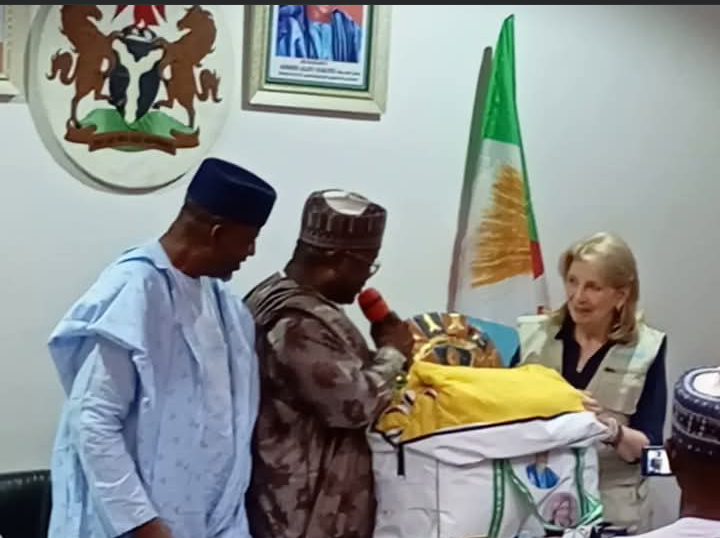
The United Nations Children’s Fund (UNICEF) has commended the Sokoto State Government for its sustained investments in child healthcare, education, and child protection, describing the initiatives as a significant step toward improving the wellbeing and future prospects of children in northwestern Nigeria.
The commendation follows ongoing efforts by the Sokoto State Government to strengthen essential social services, particularly in maternal and child healthcare, basic education, nutrition, immunisation, and child welfare. UNICEF noted that these investments are contributing to improved outcomes for vulnerable children and families while supporting broader national and global development goals.
The recognition also underscores the importance of strategic partnerships between governments and international development agencies in addressing long-standing challenges affecting children across Nigeria, especially in regions facing high levels of poverty, malnutrition, limited school enrolment, and inadequate healthcare infrastructure.
UNICEF Recognises Sustained Commitment to Children
According to UNICEF, Sokoto State has demonstrated a growing commitment to prioritising children through increased budgetary attention and policy reforms aimed at expanding access to quality healthcare and education.
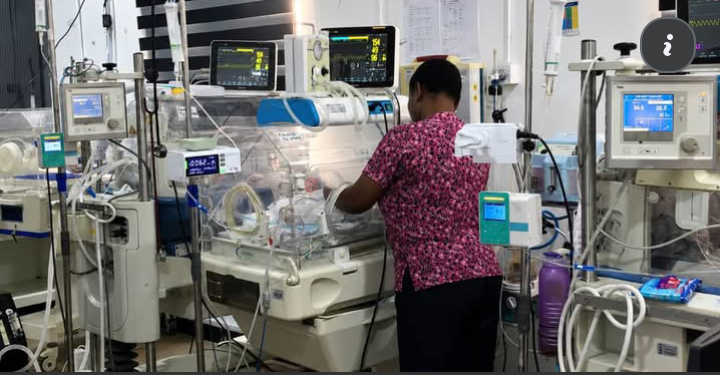
The agency highlighted improvements in primary healthcare services, maternal and newborn care, routine immunisation, nutrition programmes, and initiatives designed to reduce preventable child deaths.
UNICEF further acknowledged the state’s efforts to improve learning opportunities through investments in schools, teacher development, classroom infrastructure, and programmes that encourage school enrolment and retention, particularly for girls and children from disadvantaged communities.
Officials stressed that continued political commitment remains essential to sustaining these gains and ensuring that every child has access to quality healthcare, education, protection, and opportunities to thrive.
Investments Align With Sustainable Development Goals
The agency noted that Sokoto’s child-centred development agenda aligns closely with the United Nations Sustainable Development Goals (SDGs), particularly Goal 3 on Good Health and Well-being, Goal 4 on Quality Education, and Goal 16 on Peace, Justice, and Strong Institutions.
UNICEF has consistently advocated increased public investment in social sectors across Nigeria, arguing that improved healthcare and education systems are critical drivers of long-term economic growth, social stability, and human capital development.
Development experts observe that investments made during early childhood have lasting benefits, contributing to improved educational attainment, higher productivity, reduced poverty, and stronger communities.
The recognition of Sokoto’s progress reflects broader efforts by Nigerian states to strengthen public services despite economic pressures and increasing demand for essential social infrastructure.
Healthcare Improvements Strengthen Child Survival
Access to quality healthcare remains one of the most important determinants of child survival and development.
UNICEF acknowledged Sokoto’s efforts to improve maternal healthcare, expand immunisation coverage, strengthen nutrition services, and increase access to primary healthcare facilities serving rural and underserved communities.
Health interventions targeting pregnant women, newborns, and children under five have become increasingly important in reducing preventable illnesses and mortality.
The organisation also emphasised the importance of sustained investments in healthcare personnel, medical equipment, vaccines, essential medicines, and health awareness campaigns to ensure continued progress.
Public health experts note that improved healthcare systems not only save lives but also reduce long-term healthcare costs while enhancing productivity and national development.
Education Remains Key to Long-Term Development
UNICEF equally praised the state’s continued emphasis on expanding access to quality education, describing learning as one of the most powerful tools for breaking cycles of poverty and inequality.
The organisation highlighted efforts aimed at improving school infrastructure, increasing classroom access, supporting teacher training, and promoting inclusive education for all children.
Special attention has also been directed toward encouraging girls’ education, reducing school dropout rates, and creating safer learning environments that enable children to complete their education.
Education specialists argue that sustained investments in basic education contribute significantly to national development by equipping young people with the knowledge and skills needed to participate meaningfully in the economy.
Child Protection Remains a Shared Responsibility
Beyond healthcare and education, UNICEF recognised Sokoto State’s efforts to strengthen child protection systems designed to safeguard children from abuse, neglect, exploitation, violence, and harmful practices.
The agency has consistently partnered with governments across Nigeria to promote birth registration, child rights awareness, social protection programmes, and policies that place children’s welfare at the centre of governance.
Officials noted that effective child protection requires collaboration among government institutions, traditional leaders, civil society organisations, religious communities, parents, and development partners.
Creating safe environments where children can grow, learn, and reach their full potential remains central to UNICEF’s mission across Nigeria and globally.
Partnership Driving Sustainable Progress
UNICEF reaffirmed its commitment to supporting Sokoto State through technical assistance, policy advice, programme implementation, and capacity-building initiatives aimed at improving outcomes for children.
The agency emphasised that meaningful progress is achieved when governments demonstrate strong leadership while international partners provide complementary support based on shared development objectives.
Observers say such partnerships have contributed to improved vaccination coverage, better maternal health services, expanded nutrition programmes, and increased awareness of children’s rights in several Nigerian states.
Development partners continue to encourage sustained investment, transparency, and evidence-based policymaking to ensure resources deliver measurable benefits for children and communities.
Investing in Children Builds Stronger Societies
Experts widely agree that investing in children represents one of the most effective strategies for achieving sustainable development.
Healthy, educated, and protected children are more likely to become productive adults capable of driving economic growth, innovation, social cohesion, and national prosperity.
UNICEF therefore continues to encourage governments at all levels to prioritise funding for healthcare, education, nutrition, water and sanitation, and child protection programmes despite competing fiscal demands.
The organisation maintains that every investment made in children’s wellbeing today yields long-term dividends for families, communities, and future generations.
Looking Ahead
As Nigeria continues working to improve child development indicators nationwide, Sokoto State’s experience demonstrates how sustained government commitment, strategic partnerships, and targeted investments can positively transform the lives of children.
UNICEF’s commendation serves not only as recognition of ongoing progress but also as encouragement for continued reforms that expand access to quality healthcare, education, and protection services for every child.
For Sokoto, maintaining momentum will require sustained political will, adequate funding, effective implementation, and continuous collaboration with development partners and local communities.
Ultimately, ensuring that every child survives, learns, and thrives remains one of the most important investments any society can make. As governments across Africa seek inclusive and sustainable development, child-centred policies such as those being advanced in Sokoto provide valuable lessons on the transformative power of investing in human capital.
Sources
- United Nations Children’s Fund (UNICEF)
- Sokoto State Government
- News Agency of Nigeria (NAN)
- Premium Times
- Channels Television
- Vanguard Nigeria
- The Punch