Reported by Simon yusuph, | Journalist at wengglobal
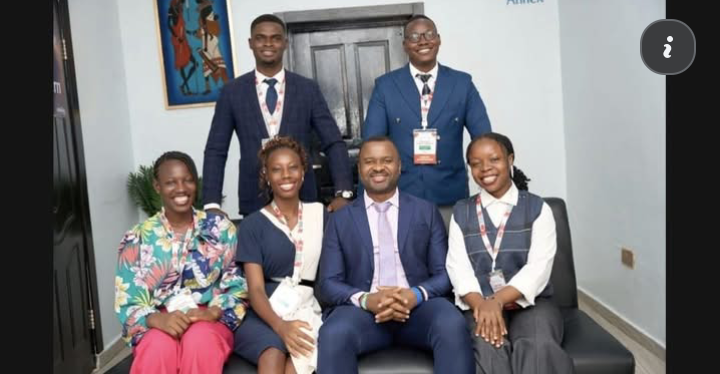
ABUJA, Nigeria — In a significant step toward strengthening Africa’s rehabilitation healthcare workforce, prosthetics and orthotics company IfeanHealth has expanded its professional training initiative by selecting scholars from Nigeria and Kenya for specialized internship placements designed to bridge the gap between classroom education and real-world clinical practice.
The initiative reflects growing efforts across the continent to address the persistent shortage of skilled rehabilitation professionals capable of providing high-quality prosthetic and orthotic care to people living with limb loss, mobility impairments, and other physical disabilities.
According to the company, the expanded internship programme is aimed at equipping emerging prosthetists and orthotists with practical clinical experience while exposing them to modern technologies, patient-centered rehabilitation approaches, and multidisciplinary healthcare collaboration.
Addressing Africa’s Rehabilitation Workforce Gap
Across Africa, access to quality rehabilitation services remains uneven despite rising demand driven by road traffic accidents, conflict-related injuries, diabetes-related amputations, congenital conditions, and other health challenges.
Healthcare experts have consistently warned that many African countries face shortages of qualified prosthetists, orthotists, physiotherapists, and rehabilitation specialists. These workforce gaps often delay patient care, increase disability-related complications, and reduce opportunities for social and economic inclusion.
By extending its internship programme beyond a single country, IfeanHealth says it hopes to contribute to building a stronger regional network of rehabilitation professionals capable of delivering sustainable, high-quality care.
The selected scholars from Nigeria and Kenya will receive structured clinical mentorship, hands-on patient management experience, and exposure to advanced prosthetic and orthotic technologies used in modern rehabilitation practice.
Bridging Theory and Clinical Practice
While universities across Africa continue to produce graduates in prosthetics and orthotics, many young professionals face limited opportunities for supervised clinical training before entering the workforce.
Industry experts argue that internship programmes are critical because they help graduates transition from theoretical learning to practical application, enabling them to develop technical competence, clinical judgment, patient communication skills, and ethical decision-making.
IfeanHealth’s initiative seeks to close this gap by providing scholars with immersive learning experiences in clinical environments where they can participate in patient assessments, device fabrication, fitting procedures, rehabilitation planning, follow-up care, and multidisciplinary case discussions.
Such practical exposure is increasingly viewed as essential for producing professionals capable of delivering patient-centered rehabilitation services that meet international standards.
Supporting Inclusive Healthcare in Africa
Access to prosthetic and orthotic services remains one of the most significant healthcare challenges facing people with disabilities across many African countries.
For individuals who have undergone amputations or live with mobility impairments, properly fitted prosthetic limbs and orthotic devices can dramatically improve independence, mobility, education opportunities, employment prospects, and overall quality of life.
However, access to these services is often limited by shortages of trained specialists, inadequate rehabilitation centres, high equipment costs, and insufficient investment in healthcare infrastructure.
By investing in workforce development, initiatives like IfeanHealth’s internship programme seek to improve long-term healthcare capacity rather than focusing solely on short-term service delivery.
Healthcare analysts note that strengthening rehabilitation systems requires sustained investment in education, clinical training, technology transfer, and institutional partnerships across the continent.
Regional Collaboration Strengthens Professional Development
The inclusion of scholars from both Nigeria and Kenya highlights growing collaboration between African countries in addressing common healthcare challenges.
Cross-border professional training allows participants to exchange knowledge, learn from diverse clinical environments, and build networks that can support future research, innovation, and healthcare partnerships.
Regional initiatives also contribute to harmonising professional standards while encouraging the adoption of internationally recognised best practices in prosthetics and orthotics.
As African healthcare systems increasingly prioritise rehabilitation within broader universal health coverage strategies, collaborative programmes are expected to play a larger role in workforce development.
Rehabilitation Gains Global Recognition
The importance of rehabilitation has gained increased international recognition in recent years.
The World Health Organization (WHO) has repeatedly emphasised that rehabilitation should be integrated into national healthcare systems as an essential health service rather than being treated as a specialised or optional intervention.
WHO estimates that billions of people worldwide could benefit from rehabilitation services during the course of their lives, with demand continuing to rise because of ageing populations, non-communicable diseases, injuries, and improved survival rates following trauma and illness.
For Africa, strengthening rehabilitation capacity represents not only a healthcare priority but also an economic investment, helping people with disabilities return to education, employment, and productive participation within their communities.
Technology Transforming Prosthetic Care
Modern prosthetic and orthotic care continues to evolve through advances in digital design, lightweight materials, computer-aided manufacturing, and improved patient assessment techniques.
Training programmes that expose students to these innovations prepare future professionals to deliver more precise, comfortable, and durable assistive devices.
Experts believe combining technological advancement with strong clinical mentorship can significantly improve patient outcomes while expanding access to quality rehabilitation services across underserved communities.
Internship programmes also create opportunities for young professionals to develop research skills and contribute to locally driven innovations tailored to Africa’s unique healthcare realities.
Investing in the Future of Rehabilitation
As healthcare needs continue to evolve across the continent, workforce development remains central to improving rehabilitation outcomes.
Programmes that strengthen practical training complement university education while helping ensure graduates possess the confidence and technical competence required for independent clinical practice.
For patients requiring prosthetic and orthotic services, the long-term impact extends beyond healthcare. Effective rehabilitation improves mobility, restores dignity, enhances economic participation, and promotes greater social inclusion.
By expanding its internship initiative to include scholars from Nigeria and Kenya, IfeanHealth is contributing to broader efforts aimed at strengthening Africa’s rehabilitation ecosystem through education, mentorship, and professional development.
While the continent continues to face considerable healthcare workforce challenges, initiatives focused on skills development represent an important step toward improving rehabilitation access for millions of Africans who depend on prosthetic and orthotic care.
Sources
- World Health Organization (WHO)
- International Society for Prosthetics and Orthotics (ISPO)
- World Physiotherapy
- Reuters (coverage on global rehabilitation and disability healthcare)
- Devex (reporting on global health workforce development)