Reported by Simon yusuph, | Journalist at wengglobal
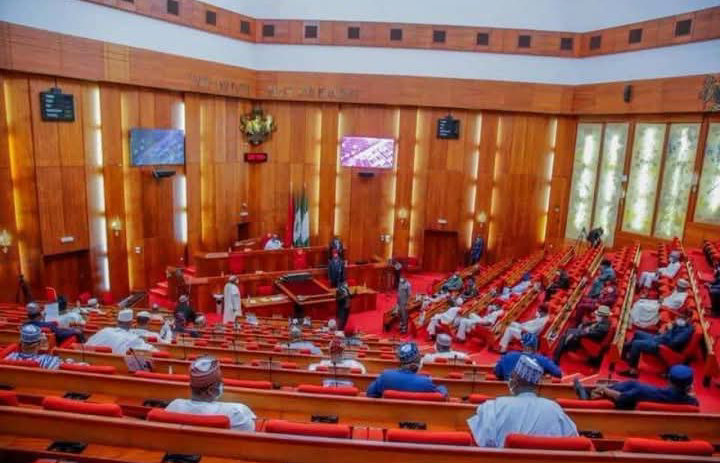
Nigeria’s Senate Committee on the North Central Development Commission (NCDC) has called on the commission to accelerate the execution of development projects across the North Central region, stressing the need for visible impact despite funding challenges and the growing expectations of citizens.
The committee made the appeal during an oversight engagement with the commission, emphasizing that the establishment of the North Central Development Commission represents a critical opportunity to address decades of infrastructure deficits, economic challenges, and humanitarian concerns affecting the region.
Lawmakers urged the commission’s management to ensure that available resources are efficiently utilized to deliver projects capable of improving livelihoods across Benue, Kogi, Kwara, Nasarawa, Niger, Plateau, and the Federal Capital Territory (FCT).
Senate Calls for Accountability and Timely Project Delivery
Members of the Senate Committee stressed that the success of the North Central Development Commission will ultimately be measured by tangible improvements in communities rather than the volume of funds allocated.
According to the lawmakers, Nigerians expect the commission to prioritize projects that directly impact people’s lives, including road construction, rural electrification, healthcare facilities, educational infrastructure, water supply systems, agricultural support programmes, and youth empowerment initiatives.
The committee urged the commission to adopt transparent procurement processes, strengthen project monitoring mechanisms, and avoid unnecessary bureaucratic delays that could slow implementation.
Lawmakers also encouraged the agency to maintain regular engagement with state governments, traditional institutions, civil society organisations, and local communities to ensure projects address genuine development priorities.
Funding Constraints Should Not Delay Development
While acknowledging that the commission is operating within financial constraints common to newly established federal agencies, senators maintained that prudent financial management can still produce meaningful results.
They encouraged the commission to maximize every available allocation, eliminate waste, and prioritize projects capable of generating immediate socio-economic benefits for residents across the North Central zone.
The committee further advised the management to explore partnerships with development agencies, private sector investors, and international organisations where appropriate to complement government funding.
According to lawmakers, effective planning and transparent implementation will strengthen public confidence and justify future budgetary support for the commission.
Addressing Longstanding Development Gaps
The North Central region remains strategically important to Nigeria’s economy because of its agricultural productivity, mineral resources, transportation corridors, and proximity to the Federal Capital Territory.
Despite its enormous economic potential, several communities continue to face serious developmental challenges, including inadequate road networks, insecurity, farmer-herder conflicts, displacement, unemployment, poor healthcare access, and insufficient educational infrastructure.
The Senate noted that the commission was created to coordinate interventions capable of reducing these inequalities while supporting sustainable economic development throughout the region.
Lawmakers said residents expect the commission to complement ongoing federal and state government initiatives by focusing on infrastructure rehabilitation, rural development, agricultural productivity, and economic inclusion.
Focus on Transparency and Public Confidence
The Senate Committee underscored the importance of accountability in managing public resources, warning that transparency will determine the credibility and long-term success of the commission.
Committee members advised the commission to establish robust financial controls and regularly publish updates on approved projects, implementation timelines, expenditure, and completion status.
They argued that open communication with citizens would improve public trust and reduce concerns about abandoned or poorly executed projects.
The lawmakers further encouraged the commission to strengthen internal monitoring and evaluation systems to ensure contractors deliver quality work within agreed timelines.
Commission Reaffirms Commitment
In response to the Senate’s observations, the management of the North Central Development Commission reaffirmed its commitment to implementing its statutory mandate effectively.
Officials assured lawmakers that efforts are underway to ensure available funds are directed toward priority projects that align with the developmental needs of communities across the region.
The commission also pledged to maintain financial discipline while working closely with relevant stakeholders to ensure projects are delivered efficiently and transparently.
According to the commission, planning processes are being strengthened to ensure interventions produce measurable socio-economic benefits for residents.
Regional Development Remains National Priority
Development experts have consistently argued that regional development commissions can play an important role in addressing historical infrastructure deficits when supported by effective governance, adequate funding, and transparent oversight.
Nigeria has established several regional intervention agencies over the years to promote balanced development across different geopolitical zones.
Observers note that while these commissions have the potential to transform underserved communities, their success depends largely on prudent resource management, institutional accountability, effective collaboration with state governments, and consistent legislative oversight.
The Senate’s latest intervention reflects growing legislative interest in ensuring development commissions deliver measurable outcomes rather than becoming administrative institutions with limited impact.
Why the Senate’s Position Matters
The North Central geopolitical zone occupies a strategic position in Nigeria’s national development agenda. It serves as a major food-producing region and connects several parts of the country through important transportation corridors.
Improved infrastructure across the region could enhance agricultural productivity, facilitate trade, attract investment, create employment opportunities, and strengthen national food security.
Analysts believe that accelerated project implementation by the North Central Development Commission could also contribute to improved social stability by expanding access to public services and economic opportunities.
As the commission continues to roll out its programmes, stakeholders will be closely monitoring whether legislative oversight translates into faster execution of projects and improved living conditions for millions of residents.
The Senate Committee has made it clear that expectations remain high and that Nigerians are looking for visible evidence that public funds are being translated into meaningful development outcomes.
For communities across Benue, Kogi, Kwara, Nasarawa, Niger, Plateau, and the Federal Capital Territory, the coming months will be critical in determining whether the commission can fulfil its mandate of driving inclusive and sustainable development across Nigeria’s North Central region.
Sources
- Nigerian Senate (official proceedings and committee oversight updates)
- News Agency of Nigeria (NAN)
- The Punch
- Premium Times
- Daily Trust
- Vanguard Nigeria