Reported by Weng Patrick Atokor | Journalist at Weng Global
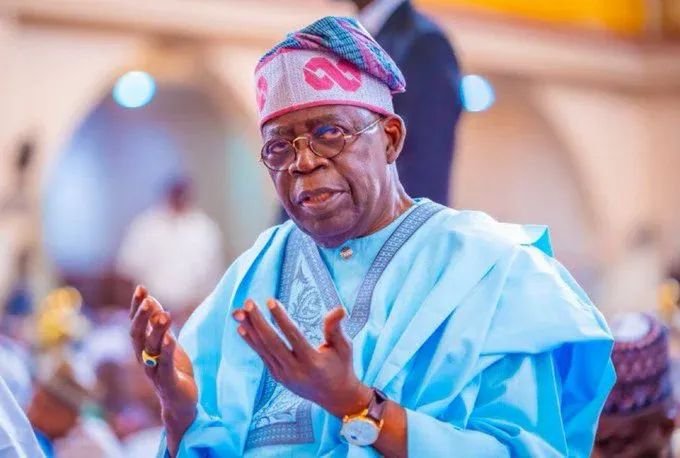
President Bola Ahmed Tinubu has confirmed that he will attend the 81st Session of the United Nations General Assembly (UNGA) scheduled to hold in New York, United States, in September 2026, where he is expected to present Nigeria’s progress on economic reforms, governance, regional security, and sustainable development.
The annual gathering of world leaders is regarded as one of the most influential diplomatic events globally, bringing together heads of state, government officials, diplomats, international organizations, civil society groups, and business leaders to discuss pressing global challenges and strengthen international cooperation.
Tinubu’s participation is expected to provide Nigeria with another opportunity to engage the international community, attract investment, deepen strategic partnerships, and reinforce the country’s role as Africa’s largest economy and one of the continent’s leading diplomatic voices.
Focus on Nigeria’s Reform Agenda
According to the Presidency, President Tinubu will use his address before the UN General Assembly to highlight the progress recorded under his administration’s economic reform programme.
The President is expected to discuss key policy initiatives implemented since assuming office, including fiscal reforms, foreign exchange reforms, tax restructuring, infrastructure development, digital transformation, energy transition, food security programmes, and efforts to improve the business environment.
Government officials say the administration intends to demonstrate that difficult policy decisions taken over the past three years are beginning to yield measurable results in economic stability, increased investor confidence, and improved public finances.
Tinubu is also expected to reaffirm Nigeria’s commitment to democratic governance, transparency, accountability, and inclusive economic growth.
Strengthening Nigeria’s Global Standing
Analysts believe the UN General Assembly offers Nigeria an important platform to strengthen bilateral and multilateral relationships.
Beyond delivering his address, President Tinubu is expected to hold several high-level meetings with world leaders, development partners, financial institutions, and international investors.
These engagements are anticipated to focus on expanding trade opportunities, attracting foreign direct investment, promoting energy cooperation, supporting climate financing initiatives, and strengthening partnerships in agriculture, healthcare, education, and technology.
Nigeria has consistently used previous UN General Assembly meetings to advocate for Africa’s development priorities while pursuing diplomatic engagements that support national economic objectives.
Security and Regional Stability
Security issues are also expected to feature prominently in President Tinubu’s discussions.
Nigeria continues to confront challenges relating to terrorism, insurgency, banditry, kidnapping, piracy, and transnational organized crime.
As Chairman of the Economic Community of West African States (ECOWAS) Authority of Heads of State during parts of his tenure, Tinubu has played a significant role in regional peace initiatives and democratic governance.
Observers expect the President to reiterate Nigeria’s commitment to regional cooperation in combating insecurity while calling for greater international collaboration in intelligence sharing, counter-terrorism financing, and humanitarian assistance.
Climate Change and Sustainable Development
Climate action is likely to remain one of Nigeria’s major talking points during the General Assembly.
Like many developing countries, Nigeria faces significant challenges arising from climate change, including flooding, desertification, coastal erosion, food insecurity, and displacement of communities.
President Tinubu is expected to call for increased climate financing, equitable energy transition policies, and stronger global support for developing nations adapting to climate-related challenges.
Nigeria has repeatedly argued that African countries require greater access to climate finance while balancing environmental commitments with economic development needs.
Economic Diplomacy
Officials familiar with preparations indicate that economic diplomacy will dominate many of the President’s bilateral meetings.
Nigeria has intensified efforts to attract foreign investments into sectors such as manufacturing, agriculture, mining, renewable energy, digital innovation, transportation, and infrastructure.
The government believes ongoing reforms aimed at improving ease of doing business, stabilizing macroeconomic conditions, and strengthening regulatory institutions are positioning Nigeria as an attractive investment destination.
During the UNGA week, Tinubu is expected to engage executives from multinational corporations, global financial institutions, and investment funds to showcase emerging opportunities within Nigeria’s economy.
Africa’s Representation
Nigeria remains one of Africa’s most influential voices within the United Nations.
The country has consistently advocated reforms of global governance institutions, including the United Nations Security Council, where African nations continue to demand permanent representation.
President Tinubu is expected to support the African Union’s position on UN reforms while emphasizing fairness, equity, and stronger representation for developing countries in international decision-making processes.
Diplomatic observers say Nigeria’s participation will also reinforce continental positions on peacebuilding, development financing, debt sustainability, migration, and global health.
Bilateral Engagements
In addition to participating in official UN sessions, the President is expected to hold meetings with leaders from Europe, Asia, North America, the Middle East, and fellow African nations.
These meetings could produce agreements covering infrastructure financing, renewable energy investments, technology transfer, education partnerships, healthcare cooperation, and security collaboration.
Nigeria has increasingly relied on high-level diplomatic engagements to expand economic partnerships and diversify sources of international investment.
Expectations from the International Community
International observers will closely monitor President Tinubu’s speech, particularly his assessment of Nigeria’s reform journey and the government’s plans for sustaining economic growth.
The address is expected to touch on global issues including peace and security, artificial intelligence, digital inclusion, youth employment, poverty reduction, sustainable development goals, and international cooperation.
Analysts note that the President’s remarks will also provide an opportunity to reassure investors regarding Nigeria’s long-term economic outlook while presenting the country’s strategic priorities to the international community.
Looking Ahead
As preparations intensify for the September gathering, Nigeria hopes to leverage the UN General Assembly to strengthen diplomatic ties, expand investment opportunities, and project its reform agenda on the global stage.
The Presidency maintains that participation at the Assembly aligns with the administration’s broader objective of positioning Nigeria as a competitive economy, responsible regional leader, and active contributor to international peace and sustainable development.
President Tinubu’s attendance is expected to reaffirm Nigeria’s commitment to multilateral cooperation while seeking practical partnerships that support national development and improve the welfare of Nigerians.
Sources
- Presidency of the Federal Republic of Nigeria
- United Nations
- Ministry of Foreign Affairs, Nigeria