Reported by Weng Patrick Atokor | Journalist at Weng Global
Nigeria’s transition to Compressed Natural Gas (CNG) and Electric Vehicles (EVs) has come under fresh scrutiny as industry stakeholders warn that weak regulation, the proliferation of uncertified products, and inadequate safety enforcement could undermine the Federal Government’s clean energy agenda.
The stakeholders raised the concerns during discussions on the country’s ongoing shift toward alternative transportation fuels, stressing that while the transition presents significant economic and environmental opportunities, safety must remain a top priority.
According to industry experts, Nigeria’s growing adoption of CNG-powered vehicles and electric mobility has outpaced the development of a comprehensive regulatory framework capable of guaranteeing public safety.
They warned that without stricter oversight, the influx of substandard conversion kits, uncertified cylinders, batteries, charging equipment, and poorly trained technicians could expose motorists and commuters to avoidable accidents.
Rapid adoption requires stronger regulation
The Federal Government has intensified efforts to promote CNG as a cheaper alternative to petrol following the removal of fuel subsidy. Through various initiatives, authorities have encouraged vehicle owners to convert petrol-powered vehicles to run on compressed natural gas.
At the same time, interest in electric vehicles has continued to rise, driven by global climate commitments, technological innovation, and increasing investment in clean transportation.
However, stakeholders said the rapid expansion of both sectors must be accompanied by rigorous safety standards.
They noted that countries with successful CNG and EV ecosystems maintain strict certification processes covering equipment manufacturers, installation centres, maintenance workshops, inspection agencies, and technicians.
Nigeria, they argued, must adopt similar standards to avoid preventable incidents.
Concerns over uncertified products
Industry operators expressed concern over the increasing availability of uncertified CNG conversion kits and vehicle components in the local market.
According to them, many imported products fail to meet internationally recognised safety standards, increasing the likelihood of equipment failure.
They explained that poorly manufactured cylinders or improperly installed fuel systems could result in gas leaks, fires, or explosions if not properly inspected and maintained.
Similarly, experts warned that low-quality lithium-ion batteries and counterfeit charging equipment could create significant fire hazards within the country’s emerging EV market.
They stressed that consumers often struggle to distinguish certified products from substandard alternatives, making regulatory enforcement even more critical.
Need for qualified technicians
Stakeholders also highlighted the shortage of adequately trained technicians capable of safely installing and servicing CNG and EV systems.
They warned that inexperienced installers may overlook critical safety procedures during vehicle conversions, exposing drivers and passengers to unnecessary risks.
According to them, proper certification and continuous professional training should become mandatory for workshops involved in CNG conversion and EV maintenance.
They added that technical institutions and vocational centres should collaborate with industry regulators to build a skilled workforce capable of supporting the country’s energy transition.
Infrastructure safety remains critical
Beyond vehicle conversion, experts noted that fueling stations and EV charging infrastructure must also comply with internationally accepted safety requirements.
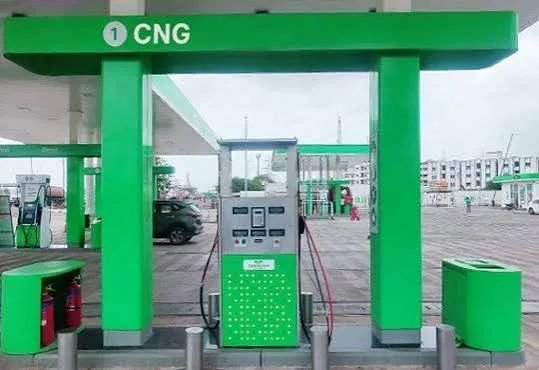
They stressed that CNG refuelling stations require specialised equipment capable of safely handling high-pressure gas, while EV charging stations must be installed according to electrical safety standards.
They warned that inadequate inspection of these facilities could compromise public confidence in alternative energy transportation.
Stakeholders therefore called for regular safety audits, periodic inspections, and strict licensing requirements for operators across the value chain.
Consumer awareness essential
The stakeholders further urged government agencies to intensify public education campaigns on the safe use of CNG and electric vehicles.
They said many motorists remain unaware of proper maintenance practices, warning signs of equipment failure, and the importance of using only certified service providers.
According to them, increased awareness would help reduce accidents while encouraging responsible adoption of clean energy technologies.
They also advised consumers to verify the certification status of conversion centres before modifying their vehicles and to avoid purchasing unusually cheap components from unverified suppliers.
Government urged to strengthen oversight
Industry leaders called on relevant regulatory agencies to strengthen market surveillance and enforce compliance with existing technical standards.
They recommended tougher penalties for importers and distributors of counterfeit or uncertified equipment, arguing that such measures would protect consumers and legitimate businesses.
They further advocated closer collaboration between government agencies, manufacturers, professional associations, and international certification bodies to harmonise safety regulations across the sector.
According to the stakeholders, effective coordination would help create a safer investment environment while boosting investor confidence in Nigeria’s clean energy market.
Transition remains important despite challenges
Despite the concerns, stakeholders maintained that Nigeria’s transition to CNG and electric vehicles remains necessary for reducing transportation costs, lowering greenhouse gas emissions, and improving energy security.
They said the country’s abundant natural gas reserves provide a strong foundation for expanding CNG adoption, while the global shift toward cleaner transportation makes investment in electric mobility inevitable.
However, they emphasised that safety should never be sacrificed in the pursuit of rapid expansion.
They maintained that establishing clear standards, enforcing certification requirements, improving technical training, and strengthening consumer protection would ensure that Nigeria fully benefits from its clean energy transition.
Industry experts concluded that building public confidence through effective regulation will be essential to achieving the Federal Government’s long-term transportation and energy goals.
As Nigeria accelerates efforts to diversify its transport energy sources, stakeholders believe that balancing innovation with robust safety measures will determine the long-term success of both the CNG and electric vehicle sectors.
Sources
- The Guardian Nigeria
- Punch Newspapers
- Nigerian Midstream and Downstream Petroleum Regulatory Authority (NMDPRA)
- Presidential Compressed Natural Gas Initiative (PCNGI)