Reported by Simon yusuph,| Journalist at wengglobal
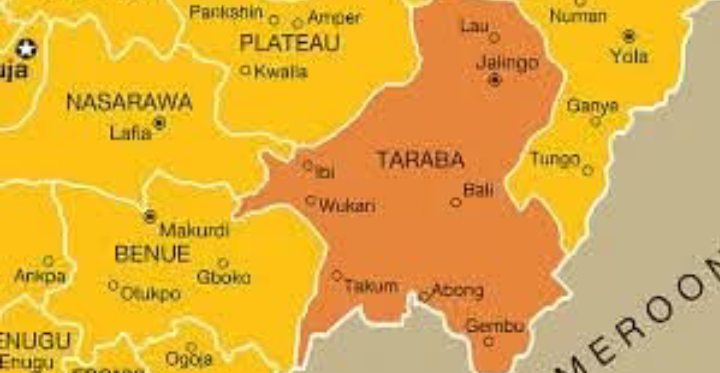
JALINGO, Nigeria The Gashaka Local Government Area of Taraba State has announced the revocation of all previously issued indigeneship certificates, introducing a new verification and certification process aimed at improving the integrity of identity documentation within the council.
The decision, which affects all residents who previously obtained indigeneship certificates from the local government, marks one of the most significant administrative reforms in the area’s identity management system in recent years. Local authorities say the exercise is intended to eliminate irregularities, prevent fraudulent documentation, and establish a more credible database of genuine indigenes.
According to the local government administration, individuals seeking recognition as indigenes of Gashaka must now apply afresh under newly introduced guidelines. Officials emphasized that all previous certificates are no longer valid and will not be recognized for official purposes unless replaced through the new process.
The council explained that the move forms part of broader efforts to strengthen transparency in local governance and ensure that only legitimately qualified persons benefit from opportunities reserved for indigenes. Such opportunities often include access to scholarships, employment quotas, political appointments, educational admissions, and other government-related benefits where proof of local origin is required.
Authorities noted that the fresh certification exercise would involve a more rigorous verification process, including community-based authentication and documentation designed to confirm applicants’ ancestral or legally recognized ties to Gashaka Local Government Area.
Why the Decision Matters
Indigeneship certificates remain an important administrative document across many Nigerian states. They are frequently required when applying for state government jobs, educational institutions, social intervention programmes, political positions, and various public sector opportunities.
However, concerns have long existed over the issuance of fraudulent certificates in several parts of the country. Experts have argued that weak verification mechanisms have enabled individuals without legitimate claims to obtain certificates, thereby undermining public trust and denying genuine indigenes access to opportunities meant for them.
By cancelling all existing certificates and requiring fresh applications, Gashaka Local Government says it intends to create a cleaner and more reliable database while restoring confidence in the certification process.
Officials maintain that the reform is administrative rather than punitive and urged residents not to panic but to cooperate with the new procedures.
Fresh Application Process
Although the council is expected to release detailed implementation guidelines, officials indicated that applicants will be required to present relevant supporting documents and undergo community verification before receiving new certificates.
Traditional rulers, ward leaders, district heads, and other community stakeholders are expected to play a significant role in confirming applicants’ claims of origin.
Local authorities believe this community-driven verification model will reduce impersonation and minimize the issuance of certificates based on false declarations.
Residents have been advised to obtain information only through official local government channels and avoid dealing with unauthorized individuals claiming to facilitate the process.
Administrative Reform and Governance
Public administration experts say accurate identity records are essential for effective governance, planning, and equitable distribution of government resources.
Reliable documentation enables local governments to better understand demographic realities, improve policy implementation, and reduce administrative disputes relating to citizenship and local identity.
Analysts also note that stronger verification systems can help reduce corruption associated with identity documentation while ensuring that government benefits reach their intended beneficiaries.
The Gashaka initiative aligns with broader efforts by public institutions across Nigeria to modernize administrative processes, improve record-keeping, and enhance accountability.
Possible Implications for Residents
The immediate implication of the directive is that residents holding old indigeneship certificates may need to obtain replacements before applying for official opportunities that require proof of indigeneship.
Students seeking scholarships, graduates applying for public sector employment, political aspirants, and beneficiaries of government intervention programmes may be among those most affected by the transition.
Local government officials have assured residents that the process is intended to protect legitimate indigenes rather than create unnecessary hardship.
Authorities also appealed for patience during the transition period, acknowledging that administrative reforms of this nature may require time to implement effectively.
Balancing Identity and Inclusion
The issue of indigeneship has remained a subject of national discussion in Nigeria for decades, with legal scholars and civil society organizations frequently calling for reforms that balance constitutional rights with local administrative practices.
While local governments retain responsibility for issuing indigeneship certificates, debates continue over how such systems should operate in a country with increasing internal migration and diverse populations.
Observers argue that transparent, objective, and accountable verification mechanisms are essential to maintaining public confidence while preventing discrimination or abuse.
For Gashaka Local Government, the success of the exercise will largely depend on transparent implementation, public awareness, and fairness in processing applications.
Looking Ahead
As the recertification exercise begins, residents are expected to closely monitor how efficiently the new system is implemented. Effective communication, accessible application procedures, and timely issuance of certificates will be critical to ensuring a smooth transition.
The local government has reiterated its commitment to building a more credible and accountable administrative system capable of serving the interests of genuine indigenes while strengthening public confidence in official documentation.
If successfully implemented, the reform could serve as a model for other local government councils seeking to improve identity verification and administrative accountability.
For now, residents of Gashaka are encouraged to comply with the new directive, stay informed through official announcements, and prepare the necessary documentation required for the recertification process.
Sources
- Daily Trust
- Leadership Newspaper
- The Nation Newspaper
- Nigerian Tribune
- Taraba State Government official communications (where applicable)