Reported by Simon yusuph,| Journalist at wengglobal
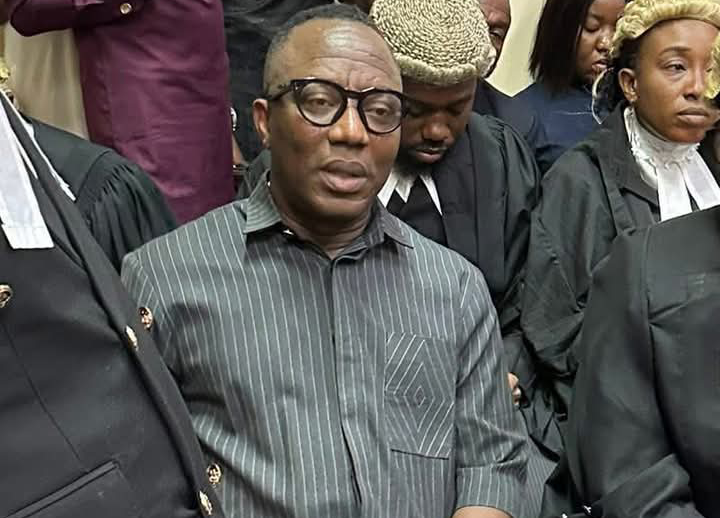
The criminal defamation trial involving activist, publisher, and former African Action Congress (AAC) presidential candidate Omoyele Sowore has been adjourned to September 28, following a tense courtroom confrontation between lawyers representing the defence and the prosecution at the Federal High Court in Abuja.
The latest hearing, which was marked by sharp legal exchanges over the conduct and pace of the proceedings, underscores the increasingly contentious nature of a case that has drawn national attention and renewed debate over free expression, criminal defamation laws, and the administration of justice in Nigeria.
Justice Mohammed Umar ordered the adjournment after hearing arguments from both sides, with proceedings becoming heated as defence and prosecution counsel disagreed over procedural issues surrounding the continuation of the trial. The judge subsequently fixed September 28 for further hearing, while urging all parties to ensure that the matter proceeds without unnecessary delays.
A Trial Under National Spotlight
Sowore, the publisher of Sahara Reporters and a long-time activist, is facing charges brought by the Department of State Services (DSS) over allegations of criminal defamation arising from social media posts concerning President Bola Tinubu.
The prosecution alleges that comments published on Sowore’s X (formerly Twitter) and Facebook accounts amounted to criminally defamatory statements. Sowore has consistently denied any wrongdoing, maintaining that his remarks fall within the constitutional rights to freedom of expression and political criticism.
The case has attracted sustained public interest because of Sowore’s profile as a journalist, activist, and opposition politician, as well as broader concerns surrounding the use of criminal defamation and cyber-related laws against critics of government officials.
Courtroom Exchanges Delay Proceedings
At the latest sitting, proceedings reportedly became contentious as counsel for both parties disagreed over procedural matters and the scheduling of the defence case.
The prosecution expressed concerns over repeated delays in the trial and urged the court to ensure that proceedings move forward without further interruptions. Defence lawyers, however, maintained that procedural fairness and adequate legal representation remain essential to guaranteeing a fair trial.
Following submissions from both parties, Justice Umar adjourned the matter until September 28, allowing the defence additional time while indicating the court’s expectation that proceedings should continue efficiently when the case resumes.
Previous Warnings Over Delays
The adjournment follows earlier proceedings in which the Federal High Court warned that repeated delays could affect the continuation of the defence.
In previous sittings, the court expressed dissatisfaction over repeated requests for adjournments linked to the absence of lead defence counsel. Justice Umar indicated that while every defendant is entitled to a fair hearing, the court also has a responsibility to ensure that criminal proceedings are concluded within a reasonable timeframe, consistent with the Administration of Criminal Justice Act.
Those earlier hearings saw the prosecution argue that multiple adjournments had prolonged the case, while the defence maintained that unavoidable circumstances involving counsel justified the requests.
Legal and Constitutional Questions
The trial continues to generate discussion among legal practitioners, civil society organisations, and media advocates regarding the relationship between criminal defamation laws, cybercrime legislation, and constitutional guarantees of freedom of expression.
Supporters of Sowore argue that public officials should tolerate robust scrutiny and criticism in a democratic society. Conversely, proponents of existing criminal defamation provisions maintain that individuals—including public office holders—retain legal protections against statements considered false or damaging to their reputation.
Legal analysts note that the eventual outcome of the case could influence future interpretations of online political speech, journalistic freedom, and the application of criminal defamation statutes in Nigeria.
Wider Implications for Press Freedom
Nigeria’s democratic landscape has witnessed increasing debate over the balance between protecting reputations and safeguarding press freedom.
Media rights organisations have repeatedly advocated reforms to laws they believe may discourage investigative journalism and public-interest reporting. Government officials, however, have maintained that freedom of expression must be exercised responsibly and within the limits established by law.
Although the Sowore case concerns specific allegations before the court, observers say its outcome could carry broader implications for journalists, activists, political commentators, and citizens who increasingly rely on digital platforms to engage in public discourse.
Awaiting the Next Hearing
With proceedings now adjourned until September 28, attention will shift to whether the defence proceeds with its case without further procedural disputes.
For now, the court has not reached any determination regarding the allegations against Sowore. As with every criminal proceeding, the defendant remains presumed innocent unless and until proven guilty in accordance with Nigerian law.
The resumed hearing is expected to provide another significant chapter in one of Nigeria’s most closely watched legal proceedings involving political speech, digital expression, and the limits of criminal defamation law.
Sources
- Punch Newspapers
- Channels Television
- Voice of Nigeria (VON)
- The Nation Newspaper
- Telegraph Nigeria