Reported by Weng Patrick Atokor | Journalist at Weng Global
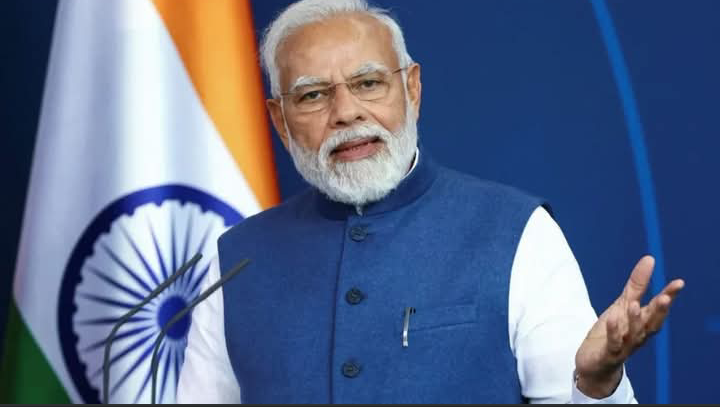
Indian Prime Minister Narendra Modi has extended what he described as a message of forgiveness to protesters who insulted and criticized him during recent youth-led demonstrations that swept across parts of India over allegations of examination paper leaks, rising unemployment, and concerns about opportunities for young people.
The Prime Minister’s remarks come after weeks of nationwide protests led largely by students, graduates, and unemployed youths demanding greater accountability from government agencies responsible for conducting public examinations and implementing employment policies.
Speaking during a public address, Modi said that although some protesters directed harsh words and personal insults at him, he bears no resentment and believes forgiveness is essential in a democracy.
“I forgive those who abused me,” Modi said, emphasizing that criticism and disagreement are natural elements of democratic governance.
His comments have drawn widespread attention across India’s political landscape, with supporters describing the statement as an attempt to calm tensions while opposition figures insist that words alone will not resolve the frustrations that pushed thousands of young people onto the streets.
Growing frustration among India’s youth
The demonstrations were triggered by allegations of repeated examination irregularities, including leaked question papers, cancelled recruitment tests, and delays in government hiring processes.
Many students argued they had spent years preparing for highly competitive examinations only to see their efforts undermined by alleged corruption and administrative failures.
Youth unemployment has also remained a major political issue, with many graduates struggling to secure stable employment despite educational qualifications.
The protests spread through several Indian states, where demonstrators demanded reforms to examination systems, stronger anti-corruption measures, transparent recruitment processes, and increased job creation.
While many demonstrations remained peaceful, some gatherings resulted in confrontations between protesters and security personnel.
Modi urges reconciliation
Addressing the controversy, Modi acknowledged the emotional strain many young people are experiencing.
He said frustration should not divide the country and encouraged citizens to channel their concerns through democratic institutions rather than violence or destructive behaviour.
According to the Prime Minister, every government must remain open to criticism while citizens also have a responsibility to preserve peace and respect democratic values.
His decision to publicly forgive those who verbally attacked him appeared aimed at reducing political tensions after weeks of heated public debate.
Political observers say such conciliatory language is relatively uncommon during periods of intense political polarization.
Protesters demand concrete reforms
Despite Modi’s conciliatory remarks, many student groups insist their demands extend beyond symbolic gestures.
Several youth organizations have reiterated calls for:
- Transparent investigation into examination paper leaks.
- Stronger punishment for officials involved in recruitment fraud.
- Faster recruitment into government positions.
- Better employment opportunities for graduates.
- Improved oversight of public examination bodies.
Student leaders argue that repeated cancellations of examinations create financial hardship and emotional distress for candidates who often spend years preparing for competitive tests.
Many also say delays in recruitment have left thousands uncertain about their future careers.
Opposition reactions
Opposition political parties welcomed the Prime Minister’s softer tone but questioned whether it would lead to meaningful policy reforms.
Some opposition leaders argued that acknowledging public frustration is only the first step and urged the government to implement structural changes to restore confidence in India’s recruitment and examination systems.
They also accused the government of responding too slowly to repeated examination controversies.
Government officials, however, maintain that authorities have already introduced stricter measures to prevent examination malpractice and strengthen transparency.
Examination leaks remain a national concern
India conducts thousands of competitive examinations each year for university admissions, civil service positions, teaching jobs, police recruitment, banking, railways, and other public sector employment.
Because millions compete for a limited number of vacancies, allegations of leaked examination papers often trigger widespread public anger.
In recent years, several states have cancelled recruitment examinations after reports that confidential question papers had been compromised.
These incidents have intensified calls for digital security improvements, tighter supervision, and harsher penalties against organized examination fraud networks.
Education experts argue that restoring trust in examination systems will require long-term institutional reforms rather than temporary administrative responses.
Youth unemployment continues to shape political debate
Alongside examination controversies, unemployment remains one of India’s most pressing socio-economic challenges.
Although India continues to record economic growth in several sectors, many young graduates say employment opportunities have not kept pace with the number of people entering the labour market each year.
Economists note that expanding manufacturing, technology, infrastructure, and small business investment will be essential to creating sustainable jobs for millions of young Indians.
Youth organizations have repeatedly emphasized that employment concerns, combined with recruitment delays and examination irregularities, have deepened frustration among students nationwide.
Democracy and public dissent
Political analysts say Modi’s remarks highlight the delicate balance between maintaining public order and respecting citizens’ right to peaceful protest.
India’s Constitution guarantees freedom of expression and peaceful assembly, although authorities have occasionally imposed restrictions during demonstrations considered a threat to public safety.
Human rights organizations have consistently called on both protesters and security agencies to exercise restraint during public demonstrations.
Experts say constructive dialogue between governments and young citizens remains essential for maintaining democratic stability.
Looking ahead
Whether Modi’s message of forgiveness will ease tensions remains uncertain.
Student organizations continue to push for measurable reforms, while government officials insist they are committed to improving recruitment transparency and strengthening examination security.
For many young Indians, however, the central issue remains access to fair opportunities rather than political rhetoric.
As India prepares for future recruitment exercises and educational examinations, public confidence in these institutions is likely to remain under close scrutiny.
The government’s ability to address concerns over examination integrity, employment generation, and administrative accountability may play a significant role in shaping public trust in the months ahead.
While Modi’s call for forgiveness signals an effort to lower political tensions, the broader challenge lies in translating reconciliation into policies that respond to the aspirations of India’s rapidly growing youth population.
Sources: Reuters, The Hindu, NDTV, Hindustan Times, The Indian Express.