Reported by Simon Daniel Yusuph l Journalist at Weng Global
Saudi Arabia has accused Yemen’s Houthi movement of attempting to target the holy city of Mecca with a drone, saying its air defences intercepted and destroyed the aircraft south of the city before it could enter restricted airspace.
The incident occurred on Tuesday evening, September 15, 2026, according to the Saudi-led coalition, and was reported publicly on Wednesday as tensions between Saudi Arabia and the Houthis continue to intensify.
The Houthis have denied targeting Mecca, rejecting the Saudi account and saying they did not launch an attack against the Islamic holy city.
The conflicting accounts mean that the alleged intention behind the drone has not been independently established. What is confirmed is that Saudi authorities say a drone was intercepted south of Mecca and destroyed before entering the city’s restricted airspace.
Saudi Arabia Says Drone Was Intercepted Near Mecca
According to the spokesperson for the Saudi-led coalition, Major General Turki Al-Malki, Saudi air-defence forces intercepted the drone at about 6:50 p.m. local time on Tuesday.
The coalition said the aircraft was destroyed before it entered the prohibited airspace surrounding Mecca, with debris falling south of the city.
Al-Malki described the reported incident as the second attempt by the Houthis to target Mecca, referring to a previous ballistic missile incident in July 2017.
Saudi Arabia has not said that the drone reached Mecca or that it caused damage to the holy city.
The coalition’s account instead states that the aircraft was stopped before entering the restricted zone.
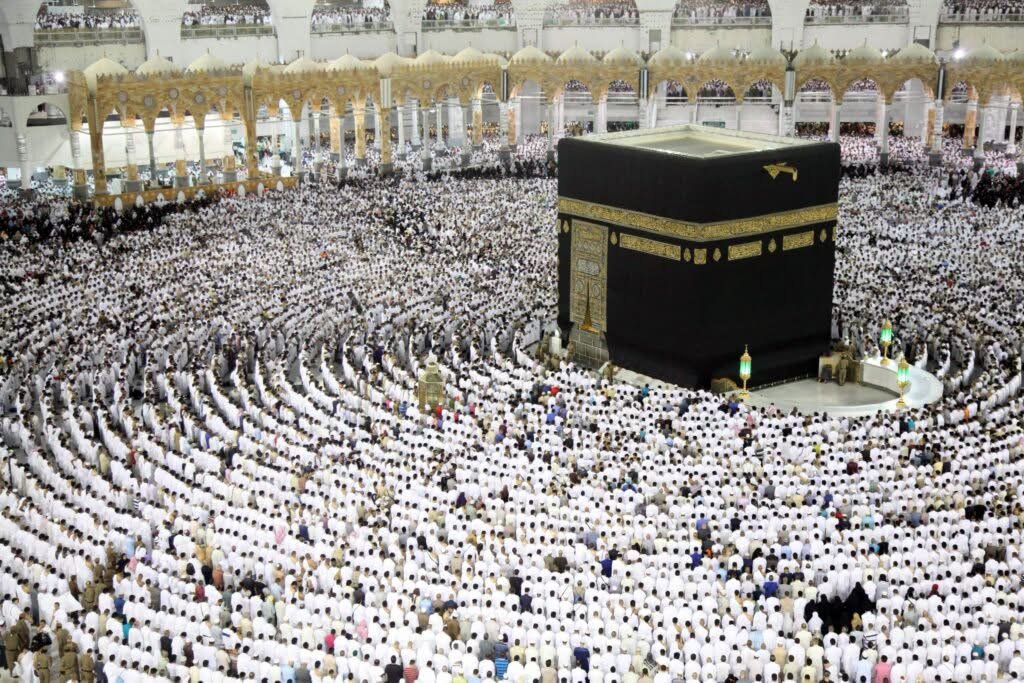
The incident has nevertheless drawn significant attention because of Mecca’s religious importance to Muslims worldwide and the presence of the Grand Mosque and the Kaaba in the city.
Houthis Reject Saudi Allegation
The Houthi movement has denied responsibility for any attempt to target Mecca.
Houthi political official Hezam Al-Asad rejected the Saudi accusation, describing claims that the group targeted the holy city as false.
The denial creates a direct dispute over the origin and intended target of the drone.
Saudi authorities have attributed the launch to the Houthis, while the group has rejected that allegation.
As of the latest reports, there was no independent evidence publicly establishing the Houthis’ intended target beyond the Saudi-led coalition’s assessment.
Weng Global therefore cannot independently verify the Saudi claim that the drone was specifically aimed at Mecca.
Saudi Coalition Calls Mecca a “Red Line”
Al-Malki warned that the security of the Two Holy Mosques and pilgrims represented a “red line” for Saudi Arabia.
The warning came as Saudi Arabia faces an expanding series of attacks and security threats linked to the wider regional conflict.
The coalition said it would take necessary measures to deter further attacks.
The language reflects the exceptional sensitivity surrounding any military activity near Mecca, which is regarded as the holiest city in Islam.
Saudi Arabia is responsible for security around Islam’s two holiest mosques — the Grand Mosque in Mecca and the Prophet’s Mosque in Medina — and has repeatedly placed protection of the sites and pilgrims at the centre of its security policy.
OIC Condemns Reported Attacks
The Organisation of Islamic Cooperation (OIC) issued a statement on September 16 condemning what it described as Houthi attacks targeting the Makkah and Madinah regions.
The organisation said the reported attacks represented a threat to the security of the holy sites and expressed solidarity with Saudi Arabia.
The OIC’s response demonstrates the wider diplomatic sensitivity surrounding attacks or alleged attacks near Islam’s holiest sites.
The organisation represents Muslim-majority and Muslim-minority states across the world and frequently addresses security issues affecting Islamic holy places.
Previous 2017 Missile Incident
The latest incident has drawn comparisons with an earlier episode in July 2017, when Saudi authorities said they intercepted a ballistic missile launched toward the Mecca region.
Saudi Arabia said at the time that its air-defence forces intercepted the missile over the Al-Wasiliya area of Taif Governorate, approximately 69 kilometres from Mecca, without damage.
The Houthis were blamed for that launch, although the group disputed Saudi accounts concerning attacks on the holy city.
The 2017 episode occurred during the annual Hajj period and generated strong condemnation from Saudi Arabia and other Muslim-majority countries.
The current incident is therefore being viewed against the background of previous Houthi missile and drone activity involving Saudi territory.
Escalating Saudi-Houthi Conflict
The alleged drone incident comes during a broader escalation between Saudi Arabia and the Houthis after a period in which the Yemen conflict had experienced relative calm.
The Houthis seized Yemen’s capital, Sanaa, and expanded their control over parts of the country in 2014.
Saudi Arabia subsequently led an Arab coalition that intervened militarily in Yemen in 2015 in support of the internationally recognised Yemeni government.
The conflict has since produced one of the world’s most severe humanitarian crises, while repeated missile and drone attacks have extended the consequences beyond Yemen’s borders.
The latest escalation has also coincided with wider instability across the Middle East.
Reuters reported that Saudi Arabia has faced attacks on infrastructure and other targets as the Houthis have expanded their military activity.
The wider conflict has raised concerns about regional security, energy infrastructure and international shipping routes.
Why Mecca Is Particularly Sensitive
Mecca is home to the Masjid al-Haram, or Grand Mosque, which surrounds the Kaaba and attracts millions of Muslim worshippers.
The city becomes particularly important during the annual Hajj pilgrimage, when Muslims from around the world travel to Saudi Arabia to perform religious rites.
Although the latest incident occurred outside the restricted airspace of the city, any reported attempt to send a weapon towards Mecca carries significant religious and security implications.
Saudi authorities have maintained extensive security arrangements around Mecca to protect worshippers and residents.
The potential for a military incident near the city also raises concerns about the safety of civilians and pilgrims, particularly if attacks were to occur during periods of high religious activity.
Regional Security Concerns Grow
The reported drone interception is part of a broader pattern of military activity involving Saudi Arabia and the Houthis.
Saudi authorities have reported several drone and missile threats in recent days, while the Houthis have claimed responsibility for attacks against Saudi targets.
The escalation has also occurred alongside fighting in Yemen and heightened tensions involving other regional actors.
The United Kingdom has previously condemned Houthi attacks against Saudi Arabia, including attacks involving civilian infrastructure and energy facilities, and warned that continued attacks could threaten regional stability and freedom of navigation.
The Red Sea and Bab el-Mandeb remain particularly important because they connect major international shipping routes between the Indian Ocean and the Mediterranean through the Suez Canal.
Any sustained military escalation in the area could therefore have consequences beyond Saudi Arabia and Yemen.
Humanitarian Risks for Yemen
The escalation also raises concerns for civilians in Yemen, where years of conflict have already damaged infrastructure and contributed to widespread humanitarian needs.
Military retaliation between Saudi Arabia and the Houthis could increase risks to civilian populations if fighting expands.
For Yemen, renewed escalation comes after years of efforts to reduce the intensity of the conflict and advance diplomatic discussions.
The consequences of renewed fighting could include additional displacement, disruption of essential services and increased difficulties for humanitarian organisations operating in affected areas.
The competing claims surrounding the Mecca incident also underline the importance of independent verification during rapidly developing conflicts.
What Is Confirmed and What Remains Disputed
The available information establishes several key points.
Saudi Arabia says its air defences intercepted and destroyed a drone south of Mecca before it entered restricted airspace.
The Saudi-led coalition has attributed the drone to the Houthis and described the reported attempt as a serious threat.
The Houthis have denied targeting Mecca and rejected the Saudi accusation.
The Organisation of Islamic Cooperation has condemned what it described as attacks targeting the Makkah and Madinah regions.
However, the specific intention behind the drone remains disputed between the two sides.
There is also no reported evidence that the drone entered Mecca’s restricted airspace or caused damage inside the holy city.
Those distinctions are important when assessing reports emerging from an active conflict, where military claims and denials can be difficult to independently verify.
What Happens Next
The immediate focus will be on whether Saudi Arabia takes military or security measures in response to the reported incident.
The Saudi-led coalition has warned that it will take measures to deter further threats against the kingdom and the holy sites.
The Houthis, meanwhile, continue to deny responsibility for targeting Mecca.
Further attacks, interceptions or military operations could determine whether the incident develops into another stage of the wider Saudi-Houthi confrontation.
International and regional governments are also likely to monitor the situation closely because further escalation could affect civilian safety, Yemen’s humanitarian situation, regional stability and important maritime routes.
For now, the central issue remains contested: Saudi Arabia says a Houthi drone was intercepted south of Mecca, while the Houthis deny that they attempted to target the holy city.
WENG Global — Stories beyond borders
Sources
Reuters — Reporting on Saudi Arabia’s interception of a suspected Houthi drone south of Mecca and the Houthi denial.
Associated Press (AP) — Reporting on Saudi Arabia’s accusation, the Houthi denial and regional reactions.
Al Jazeera — Reporting on the alleged drone interception and statements from the Saudi-led coalition and Houthis.
Organisation of Islamic Cooperation (OIC) — Statement condemning reported Houthi attacks on the Makkah and Madinah regions.
Saudi Press Agency (SPA) — Saudi government reporting and historical records concerning Houthi missile and drone threats against Saudi territory.