Reported by Simon Yusuph | editor-in-chief at WengGlobal
One year after the passing of Nigeria’s former President Muhammadu Buhari, family members, political associates, government officials, and supporters are set to gather for prayers and remembrance ceremonies, while President Bola Ahmed Tinubu is expected to formally unveil a commemorative book celebrating Buhari’s life, leadership, and legacy.
The anniversary event represents one of the most significant national moments of reflection since Buhari’s death, providing an opportunity for Nigerians to assess the achievements, controversies, and enduring impact of a leader who shaped the country’s political landscape for decades as both a military Head of State and a democratically elected President.
According to information released by organisers and individuals close to the Buhari family, the memorial programme will combine Islamic prayer sessions with the public presentation of a commemorative publication documenting Buhari’s personal life, political journey, governance philosophy, and contributions to Nigeria’s democratic evolution.
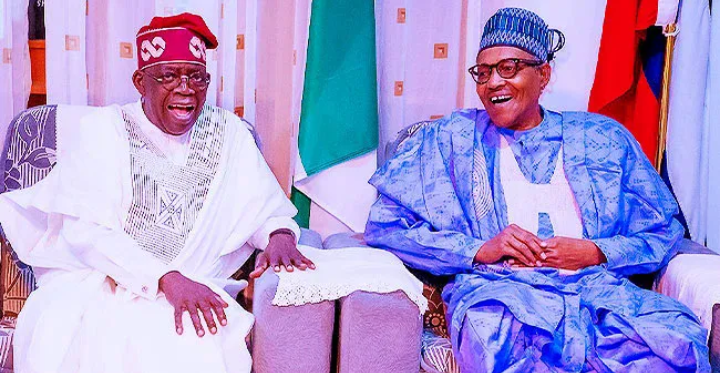
President Tinubu’s participation underscores the continuing importance of Buhari’s place in Nigeria’s political history and highlights the close political relationship between the two leaders, whose alliance played a defining role in the emergence of the All Progressives Congress (APC) and its electoral victories beginning in 2015.
A Year of Reflection
The first anniversary of Buhari’s passing comes amid continued national debate about his eight-year administration, during which Nigeria confronted significant economic, security, and governance challenges while simultaneously pursuing ambitious reforms in infrastructure, agriculture, anti-corruption efforts, and social investment programmes.
For members of the Buhari family, the anniversary is expected to remain primarily a solemn occasion centred on prayer, gratitude, and remembrance.
Islamic scholars are expected to lead special prayers seeking eternal peace for the late president, while relatives, close associates, traditional leaders, political figures, diplomats, and invited guests will participate in activities honouring his memory.
Tinubu’s Role in the Memorial
President Bola Tinubu’s scheduled unveiling of the commemorative book is expected to be one of the major highlights of the memorial events.
The publication reportedly chronicles Buhari’s journey from military service to national leadership, documenting his years as Nigeria’s military Head of State between 1983 and 1985 before his return to power through democratic elections in 2015.
Political observers note that Tinubu’s participation carries symbolic significance beyond the ceremonial presentation of a book. It reflects continuity within the APC and acknowledges Buhari’s influence in reshaping Nigeria’s contemporary political landscape.
Tinubu has repeatedly described Buhari as a patriot whose commitment to national unity, democratic governance, and institutional reforms left a lasting imprint on Nigeria.
The President is also expected to pay tribute to Buhari’s contributions while recognising the sacrifices and responsibilities associated with national leadership.
Buhari’s Enduring Political Legacy
Muhammadu Buhari remains one of Nigeria’s most consequential political figures.
Born in Daura, Katsina State, Buhari first came to national prominence through military service before becoming Head of State following the military intervention of December 1983.
Following Nigeria’s return to democratic rule, Buhari contested presidential elections several times before securing victory in 2015 under the platform of the APC, defeating incumbent President Goodluck Jonathan in what became Nigeria’s first democratic transfer of power from a ruling party to an opposition candidate.
He subsequently won re-election in 2019, serving until the completion of his constitutionally permitted two terms in 2023.
His administration placed significant emphasis on anti-corruption campaigns, infrastructure expansion, agricultural development, border security, and efforts to diversify the Nigerian economy away from excessive dependence on crude oil revenues.
Major infrastructure projects initiated or completed during his administration included rail modernisation programmes, major highway construction, airport upgrades, and investments in power transmission and social intervention initiatives.
A Presidency That Drew Mixed Assessments
Like many long-serving national leaders, Buhari’s legacy remains the subject of diverse opinions.
Supporters credit his administration with strengthening anti-corruption institutions, improving agricultural production through intervention programmes, expanding transportation infrastructure, and promoting fiscal discipline.
His government also prioritised local production initiatives and implemented several social investment programmes targeting vulnerable households.
Human rights organisations also raised concerns during Buhari’s presidency regarding civil liberties, media freedom, and responses to public protests.
Political analysts generally agree that Buhari’s years in office represented one of the most consequential periods in Nigeria’s Fourth Republic, influencing debates around governance, security, institutional reform, federalism, and economic policy.
The Significance of the Commemorative Book
Books documenting the lives of former heads of state often serve multiple purposes beyond preserving historical records.
They provide future generations with insights into leadership decisions, policy priorities, governance challenges, and the personalities behind public office.
Although details regarding the complete contents of the Buhari commemorative publication have yet to be publicly disclosed, it is expected to feature contributions from historians, former government officials, diplomats, scholars, family members, and close associates.
The publication is also anticipated to include photographs, speeches, personal reflections, policy milestones, and archival materials chronicling Buhari’s public service career spanning several decades.
Historians believe such publications contribute to preserving institutional memory and enriching public understanding of Nigeria’s political development.
National Interest in Buhari’s Historical Record
The memorial coincides with renewed scholarly interest in evaluating Buhari’s place within Nigeria’s broader political history.
Researchers continue to examine his influence on anti-corruption policies, civil-military relations, democratic consolidation, national security strategy, and economic governance.
Universities, policy institutes, and research organisations have increasingly produced studies examining both the achievements and limitations of his administration.
These assessments contribute to a more balanced historical understanding, recognising both policy successes and unresolved challenges.
Political scientists note that Buhari’s political career remains unique in Nigerian history, having successfully transitioned from military leadership to democratic legitimacy through competitive elections.
Calls for Balanced Historical Assessment
Analysts argue that anniversaries of former national leaders provide opportunities for objective reflection rather than political polarisation.
Rather than focusing exclusively on praise or criticism, historians encourage balanced evaluations grounded in documented evidence and measurable policy outcomes.
Such an approach enables citizens to appreciate the complexities of governance while drawing lessons applicable to future administrations.
The Buhari memorial programme therefore serves not only as a family remembrance but also as an important national moment for historical reflection.
Continuing Influence on Nigerian Politics
Even after his passing, Buhari’s influence continues to shape political discourse across Nigeria.
Many serving governors, ministers, legislators, and party officials either began or strengthened their national political careers during his presidency.
His emphasis on party discipline, anti-corruption messaging, and public accountability continues to influence internal debates within the APC and Nigeria’s wider political landscape.
Observers believe future administrations will continue to be evaluated against policies introduced or expanded during Buhari’s tenure, particularly in infrastructure development, agriculture, security reform, and fiscal management.
Looking Ahead
As Nigeria marks one year since the passing of former President Muhammadu Buhari, the unveiling of a commemorative book by President Bola Tinubu represents more than a ceremonial occasion.
It reflects an ongoing effort to preserve historical memory while encouraging informed discussion about leadership, governance, and nation-building.
For the Buhari family, the anniversary remains a deeply personal occasion of remembrance and prayer.
For Nigeria, it offers an opportunity to examine the legacy of one of its most influential political figures through a balanced lens that acknowledges both accomplishments and enduring debates.
As citizens, historians, policymakers, and future generations continue to assess Buhari’s contributions to national development, the commemorative publication is expected to become an important addition to the documentary record of Nigeria’s democratic journey.
Sources
- Daily Trust
- Punch Newspapers
- Premium Times Nigeria
- Vanguard Nigeria
- Channels Television
- TheCable
- Reuters
- Associated Press (AP)
- Agence France-Presse (AFP)
- BBC News