Reported by Simon Yusuph | Journalist at WengGlobal
As political realignments ahead of Nigeria’s 2027 general elections continue to gather momentum, a faction of the African Democratic Congress (ADC) has publicly distanced itself from any reported endorsement of former Vice President Atiku Abubakar’s potential presidential ambition, exposing fresh divisions within the opposition landscape.
The faction, led by Nafiu Gombe, declared that it neither supports nor recognizes any attempt to project Atiku Abubakar as the party’s presidential candidate for the 2027 election. According to the group, the party’s structures have not reached any official decision regarding presidential nominations, insisting that reports suggesting otherwise are misleading and do not reflect the position of its members.
Speaking on behalf of the faction, Prof. Chris Uba maintained that the ADC remains committed to its constitutional processes and internal democracy, stressing that no individual should be presented as the party’s presidential flag bearer outside established procedures.
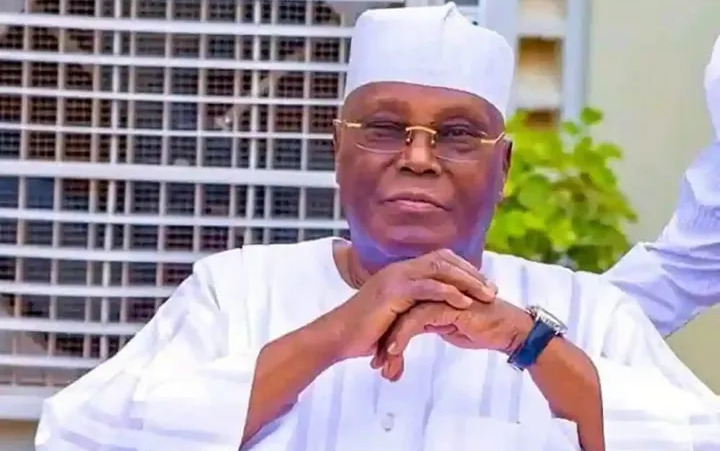
The development comes at a time when Nigeria’s opposition parties are exploring alliances aimed at challenging the ruling All Progressives Congress (APC) in the next electoral cycle. Former Vice President Atiku Abubakar has remained one of the most prominent figures in discussions surrounding a possible coalition of opposition leaders.
Growing Opposition Realignments Ahead of 2027
Since the conclusion of the 2023 general election, conversations around building a formidable opposition alliance have intensified. Several political stakeholders have argued that a united opposition offers the strongest chance of mounting a competitive challenge against the APC in 2027.
Within these discussions, Atiku Abubakar has consistently been mentioned as one of the leading political figures capable of spearheading such a coalition. However, no officially recognized political party has formally adopted him as its presidential candidate, as the electoral timetable for party primaries remains several months away.
The latest statement from the ADC faction therefore underscores the fluid nature of ongoing negotiations and highlights the absence of consensus within sections of the party regarding future presidential aspirations.
Political analysts note that internal disagreements are not uncommon during the early stages of coalition-building, especially when influential political personalities from different ideological backgrounds seek common ground.
ADC Faction Insists on Due Process
According to the faction led by Nafiu Gombe, any decision regarding the party’s presidential candidate must emerge through constitutionally recognized organs of the ADC.
Prof. Chris Uba emphasized that individual ambitions should not override institutional procedures, arguing that premature endorsements risk creating unnecessary divisions within the party.
The faction also urged supporters and the wider public to disregard reports suggesting that the ADC had already settled on Atiku Abubakar as its presidential standard bearer.
Party officials aligned with the group maintained that every aspirant interested in contesting under the ADC should be given equal opportunity once the party officially opens its nomination process.
Their position reflects broader concerns about internal democracy within Nigerian political parties, where questions over candidate selection have historically generated disputes and legal battles.
Coalition Politics Remain Unsettled
The uncertainty surrounding opposition coalition talks continues to generate significant public interest.
While discussions involving prominent politicians have attracted widespread media attention, most participating parties have yet to announce formal agreements on presidential zoning, candidate selection, or campaign structures.
Political observers believe negotiations remain ongoing and that multiple scenarios remain possible before parties begin formal preparations for the 2027 elections.
Some analysts argue that coalition discussions are likely to become more structured once the Independent National Electoral Commission (INEC) releases the official timetable for political activities leading to the next general election.
Until then, statements from various party factions may continue to reflect differing political calculations rather than finalized party positions.
Atiku’s Political Future Remains a Subject of Debate
Atiku Abubakar remains one of Nigeria’s most experienced political figures, having served as Vice President between 1999 and 2007.
He has contested for Nigeria’s presidency multiple times under different political platforms and was the presidential candidate of the Peoples Democratic Party (PDP) during the 2023 general election.
Although he has not formally declared his intention to contest the 2027 election, his name continues to feature prominently in conversations surrounding opposition coalition efforts.
Supporters argue that his national political experience and established structures make him a strong contender, while critics contend that opposition parties may need to project a fresh face capable of attracting broader electoral support.
The latest position taken by the ADC faction therefore adds another layer to the ongoing national debate over who should eventually emerge as the opposition’s preferred candidate.
Internal Party Differences Are Not Uncommon
Political parties in Nigeria frequently experience disagreements between different factions over strategy, leadership and candidate selection.
Experts say such disagreements often intensify during periods preceding major elections as influential stakeholders seek to shape the direction of their respective parties.
While factional disputes can weaken party cohesion if left unresolved, they may also encourage broader internal consultations that ultimately strengthen democratic decision-making.
For the ADC, managing these differing viewpoints will likely become increasingly important as preparations for the 2027 elections gather pace.
What Lies Ahead
With more than a year before major political parties begin formal presidential nomination processes, Nigeria’s political environment remains highly dynamic.
Several opposition leaders continue to engage in consultations aimed at forging broader alliances capable of presenting a united electoral front.
Whether those discussions eventually produce consensus around Atiku Abubakar or another candidate remains uncertain.
For now, the statement by the Nafiu Gombe-led ADC faction signals that any attempt to portray the party as having already endorsed a presidential aspirant may be premature.
Political observers expect more consultations, negotiations and public declarations in the coming months as parties seek to position themselves ahead of one of Nigeria’s most consequential electoral contests.
As events unfold, Nigerians will be closely watching whether opposition parties can overcome internal differences, build sustainable coalitions and present credible alternatives before the 2027 general elections.
WengGlobal will continue to monitor developments across Nigeria’s political landscape, providing factual, balanced and context-driven reporting on the evolving race toward 2027.
Sources
- Punch Newspapers
- Premium Times
- Daily Trust
- TheCable
- Channels Television
- Vanguard Nigeria
- Leadership Newspaper