Reported by Simon yusuph, | Journalist at wengglobal
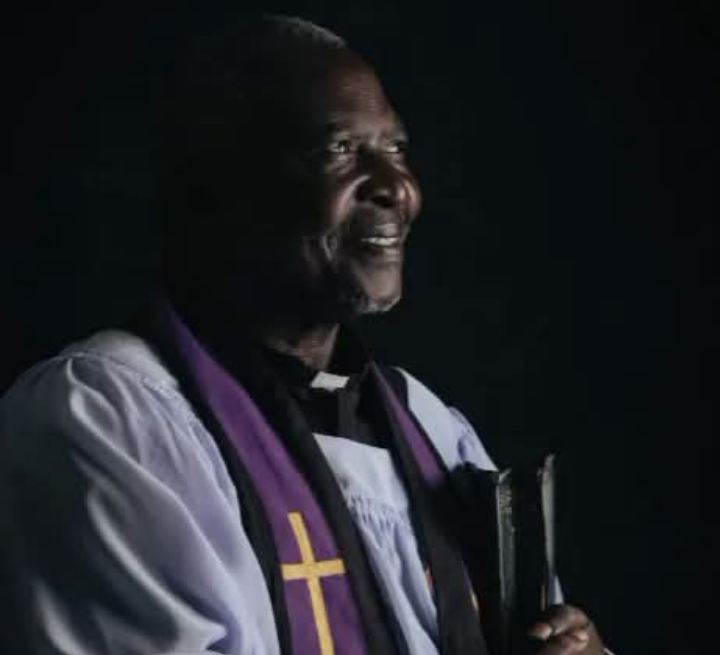
Nigeria’s lingering security crisis has once again come under renewed scrutiny after a pastor in Plateau State alleged that suspected terrorists threatened to kill him and members of his congregation just days after nine of his relatives were reportedly murdered in a violent attack.
The claims have intensified concerns over the deteriorating security situation in parts of Nigeria’s North-Central region, where communities continue to grapple with recurring attacks, displacement, and loss of lives despite ongoing military operations aimed at restoring peace.
According to the pastor, whose account has attracted widespread public attention, the threats followed a devastating assault on his family that left nine relatives dead. He alleged that the attackers warned they would return to target both him and worshippers attending his church, forcing many residents into fear and uncertainty.
The pastor’s testimony underscores the growing anxiety among rural communities in Plateau State, where repeated attacks have disrupted farming activities, displaced thousands of residents, and heightened tensions among affected communities.
While the identities of the attackers have not been independently verified, security analysts note that several communities in Plateau have endured violent assaults attributed to armed groups and criminal gangs in recent years. These attacks have frequently resulted in fatalities, destruction of homes, and humanitarian crises affecting vulnerable populations.
Renewed Security Concerns in Plateau
Plateau State has remained one of Nigeria’s most troubled regions, with communities repeatedly experiencing violent attacks linked to longstanding security challenges. The state has witnessed cycles of violence involving armed groups, criminal networks, and communal conflicts, prompting repeated interventions by federal security agencies.
Residents in affected communities have consistently called for stronger government protection, arguing that many villages remain vulnerable despite increased security deployments. Community leaders have also appealed for improved intelligence gathering, rapid response mechanisms, and sustained military presence in remote areas.
The pastor’s allegations have reignited debate over the effectiveness of existing security strategies and the need for comprehensive measures that address both immediate threats and the underlying causes of violence.
Fear Grips Local Communities
Following the reported threats, many residents are said to be living in fear, with concerns that further attacks could occur if additional security measures are not implemented.
Church members and local residents have reportedly become increasingly cautious, while some families are considering relocating to safer areas. Religious leaders have continued to appeal for calm, urging authorities to intensify efforts to protect lives and property.
Security experts say attacks targeting religious leaders or community figures often create wider psychological impacts, discouraging displaced persons from returning to their homes and weakening community resilience.
Humanitarian organisations have also repeatedly warned that continued violence in Plateau and neighbouring states is contributing to food insecurity, interrupted education, and worsening living conditions for internally displaced persons.
Authorities Under Pressure
The latest allegations are expected to increase pressure on security agencies to investigate both the reported killings and the alleged threats against the pastor and his congregation.
Although security authorities have continued operations against armed groups across Plateau and other parts of the country, many residents argue that greater preventive measures are required to stop recurring attacks before they occur.
Analysts believe strengthening intelligence-sharing between local communities and security agencies, improving surveillance in vulnerable areas, and ensuring swift prosecution of perpetrators could help restore public confidence.
Government officials have repeatedly reaffirmed their commitment to tackling insecurity nationwide, emphasizing that protecting citizens remains a top priority.
Wider National Security Challenge
The incident reflects broader security challenges confronting Nigeria, where several states continue to experience attacks from armed groups, bandits, kidnappers, and other criminal elements.
Beyond the tragic loss of lives, these attacks have disrupted agriculture, education, healthcare delivery, and economic activities across many rural communities.
Security observers note that lasting peace will require a combination of military operations, effective policing, community engagement, socioeconomic development, and dialogue where appropriate.
Religious leaders across different faiths have also continued to advocate peaceful coexistence, urging Nigerians not to allow violence to fuel further divisions.
Calls for Justice and Protection
Civil society organisations and human rights advocates have consistently urged authorities to ensure that perpetrators of attacks are identified, arrested, and prosecuted in accordance with the law.
They also stress the importance of providing humanitarian assistance, trauma counselling, and rehabilitation support for victims and families affected by violence.
For communities in Plateau State, the pastor’s account serves as another reminder of the urgent need for sustained security interventions capable of preventing further bloodshed.
As investigations continue and authorities assess the latest allegations, residents remain hopeful that stronger security measures will prevent additional attacks and allow affected communities to rebuild their lives.
The incident also highlights the resilience of communities that continue to endure repeated violence while calling for justice, accountability, and lasting peace.
Nigeria’s security landscape remains complex, but observers agree that protecting vulnerable communities, strengthening intelligence capabilities, and fostering collaboration between government institutions and local stakeholders will be critical to achieving long-term stability in Plateau State and across the country.
Sources:
- Daily Trust
- Punch Newspapers
- Premium Times Nigeria
- Vanguard Nigeria
- Channels Television
- Reuters (background reporting on insecurity in Nigeria)