Reported by Weng Patrick Atokor | Journalist at Weng Global
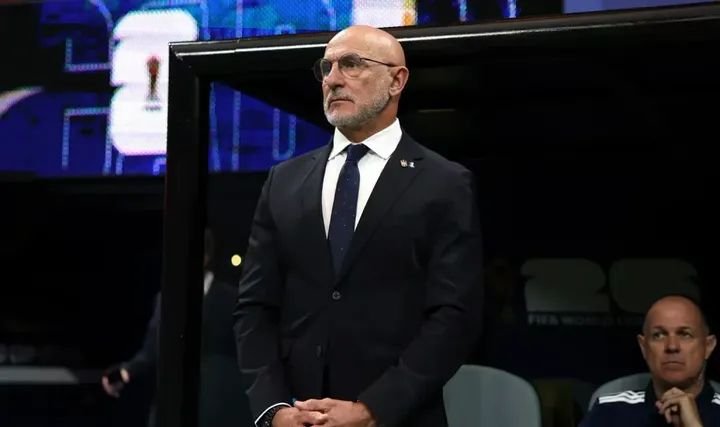
As Spain prepares for the FIFA World Cup 2026 final, tributes have continued to pour in for head coach Luis de la Fuente, with former teammates, players, coaches, and football analysts crediting his leadership, discipline, and tactical intelligence for steering La Roja back to football’s biggest stage.
The 65-year-old manager has overseen one of Spain’s most remarkable football revivals, transforming a youthful squad into one of the tournament’s most dominant teams. Under his guidance, Spain has combined possession-based football with tactical flexibility, defensive resilience, and clinical finishing to reach the World Cup final.
Spain booked their place in the final after defeating France 2-0 in the semi-finals, extending an impressive unbeaten run that has reaffirmed the country’s status among world football’s elite. The Spanish side is now set to battle Argentina in what promises to be one of the most anticipated World Cup finals in recent history.
Praise from Former Teammates
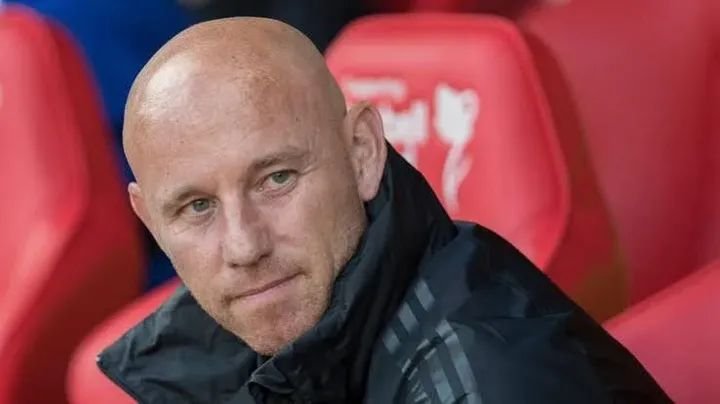
Several of De la Fuente’s former teammates from his playing days have described him as a natural leader whose coaching success comes as little surprise.
Those who played alongside him during his time with Athletic Club Bilbao recalled his calm personality, professionalism, and deep understanding of the game.
Former colleagues noted that while he was never the loudest figure in the dressing room, he possessed exceptional football intelligence and consistently earned the respect of teammates through hard work and preparation.
According to them, the same qualities have become evident throughout Spain’s World Cup campaign, where tactical discipline and team unity have been central to every victory.
Building a Winning Culture
Football observers argue that De la Fuente’s greatest achievement has not simply been winning matches but rebuilding Spain’s identity after several disappointing major tournaments.
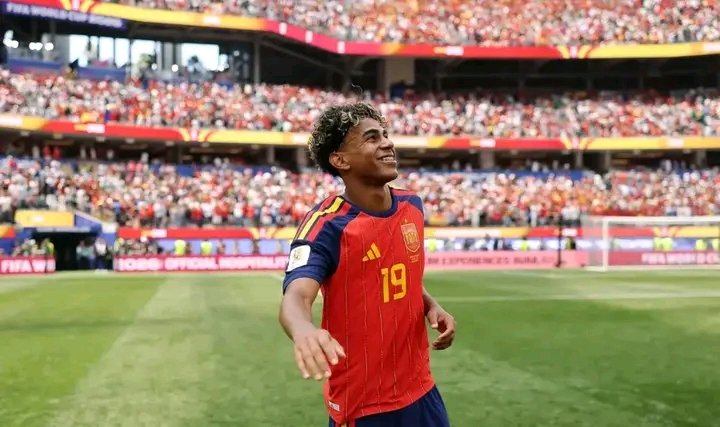
Since taking over the national team, he has placed enormous trust in young talents while successfully integrating experienced players into a balanced squad.
Rather than relying solely on Spain’s traditional possession-heavy style, the coach has introduced greater tactical versatility, allowing his team to adapt against different opponents without sacrificing their attacking philosophy.
This flexibility has enabled Spain to dominate possession when necessary while also defending compactly and striking effectively on counter-attacks.
Analysts believe the evolution has made Spain one of the most complete teams in the tournament.
Players Respond to His Leadership
Members of Spain’s squad have repeatedly highlighted the manager’s ability to build confidence and maintain unity within the dressing room.
Players say De la Fuente encourages open communication and ensures every squad member feels valued, regardless of playing time.
His emphasis on teamwork has helped eliminate internal divisions and created an atmosphere where collective success takes priority over individual recognition.
Several Spanish internationals have praised the coach’s meticulous match preparation, revealing that every tactical session is carefully designed to prepare players for different game scenarios.
That level of preparation has been reflected in Spain’s composed performances throughout the competition.
Tactical Masterclass
Football experts have described De la Fuente’s tournament as a coaching masterclass.
Spain’s defensive organisation has limited opponents’ opportunities while their midfield has consistently controlled matches through intelligent movement and quick ball circulation.
His tactical adjustments during knockout matches have also received widespread praise.
Whether making substitutions at crucial moments or altering formations to neutralise opposition threats, De la Fuente has repeatedly demonstrated an ability to read games effectively.
Many analysts believe these decisions have played a decisive role in Spain’s journey to the World Cup final.
A Long Journey to the Top
Unlike many elite national team coaches, De la Fuente climbed steadily through Spain’s football development system.
He coached several Spanish youth teams, winning European championships at different age levels before earning promotion to the senior national team.
His extensive experience working with young players allowed him to build strong relationships with many members of the current squad long before they became senior internationals.
That continuity has been widely credited for Spain’s cohesion during the World Cup.
Former coaching colleagues say his patience and commitment to player development have finally received global recognition.
Respect Across European Football
Praise for De la Fuente has extended beyond Spain.
Several European coaches have applauded his ability to modernise Spanish football without abandoning its traditional strengths.
Football pundits have noted that Spain now combines technical excellence with physical intensity and defensive discipline, qualities often associated with recent World Cup champions.
His success has also strengthened Spain’s reputation for producing elite coaches capable of succeeding at both club and international level.
Eyes on the Biggest Prize
Despite widespread praise, De la Fuente has remained focused on the task ahead.
Speaking after Spain secured qualification for the final, the coach insisted the team’s mission is not yet complete.
He praised his players for their commitment but reminded them that lifting the World Cup trophy requires one final outstanding performance.
Spain now faces Argentina in the FIFA World Cup 2026 final, with millions of supporters hoping De la Fuente can guide La Roja to another historic world title.
Victory would cement his place among Spain’s greatest national team coaches and crown years of dedication to developing Spanish football.
Regardless of the outcome, many former teammates and colleagues believe De la Fuente has already transformed Spain into one of the world’s strongest football nations once again.
His calm leadership, tactical brilliance, and unwavering belief in young talent have earned admiration across the football world, making him one of the defining coaching figures of the 2026 FIFA World Cup.
Sources: FIFA, Reuters, ESPN FC, AP News, Marca.