Reported by Simon Daniel Yusuph l Journalist at Weng Global
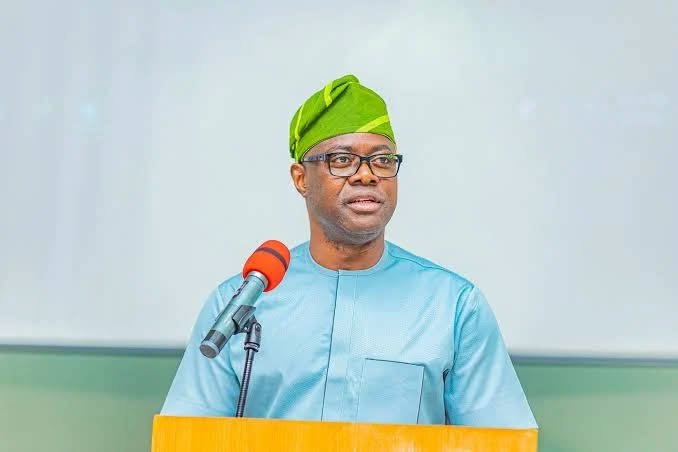
The Judicial Commission of Inquiry investigating the May 15 abduction of schoolchildren and teachers in Oriire Local Government Area of Oyo State is set to present its findings to Governor Seyi Makinde on Tuesday, September 29, 2026.
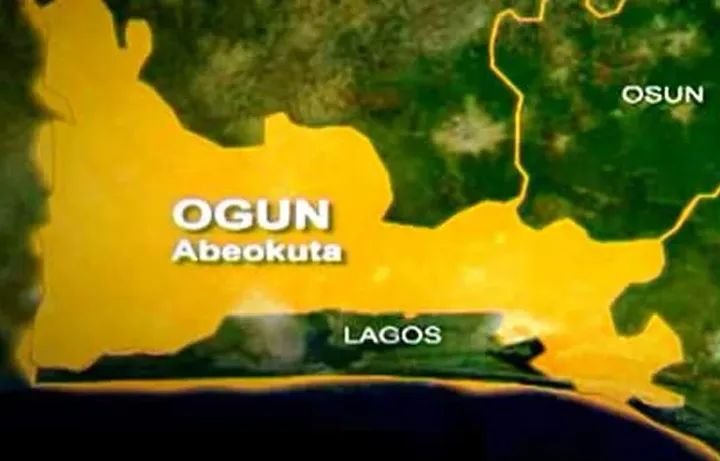
The commission was established by the Oyo State Government after dozens of pupils and teachers were abducted from schools in the Ahoro-Esinele and Yawota communities and held for 56 days before their release in July.
The inquiry was created to establish the circumstances surrounding the attack, examine the response of security agencies and identify any institutional or operational lapses that may have contributed to the incident.
How the Oriire Abduction Happened
The abduction occurred on May 15, when armed attackers targeted schools in the Oriire area.
The affected institutions included Community High School in Ahoro-Esinele, Baptist Nursery and Primary School in Yawota and L.A. Primary School.
According to reporting by The Guardian and other Nigerian media, 39 pupils and seven teachers — 46 people in total — were taken during the attacks. The victims subsequently spent 56 days in captivity before security agencies announced their rescue in July.
The prolonged captivity generated widespread concern among families, teachers, communities and education stakeholders, while questions were raised about security arrangements around schools in the affected area.
The incident also led to disruptions to schooling in parts of the state as authorities and communities grappled with concerns about the safety of pupils and teachers.
Makinde Constituted Judicial Commission
Following the release of the victims, Makinde announced plans for an independent inquiry into the circumstances surrounding the incident.
He formally inaugurated the eight-member Judicial Commission of Inquiry on July 31.
The commission is chaired by retired Court of Appeal Justice Professor Mojeed Owoade. Its members include Professor Jibril Ibrahim, human rights lawyer Ayo Obe, retired Assistant Inspector-General of Police Ngozi Onadeko, Barrister Abimbola Orogade, retired Major General Sanusi Muazu and retired DSS director Folorinsho Osunrayi.
Barrister Olamide Sandra Tella serves as secretary.
At the inauguration, Makinde said the commission’s responsibility was to establish the facts surrounding the incident, identify institutional or operational failures and recommend measures capable of strengthening protection for schools and communities.
He also said the inquiry was not intended to undermine the work of security agencies.
Panel Invited Public Evidence
As part of its investigation, the commission called on victims, witnesses, residents and other members of the public with relevant information to submit memoranda.
The panel sought information about events leading up to the abduction, the attack itself, developments during and after the captivity, and the security situation before, during and after the incident.
It also requested information concerning the response of government agencies, security institutions, communities and individuals, as well as recommendations for preventing similar attacks.
The deadline for public submissions was August 14.
The process was intended to give the commission access to first-hand accounts and documentary evidence beyond information already available through official security and government channels.
Questions the Inquiry Was Expected to Address
The commission’s mandate goes beyond documenting the abduction.
It was expected to examine how the attackers gained access to the affected schools, the security environment surrounding the communities and the actions taken by authorities before and during the incident.
It was also tasked with identifying possible institutional or operational weaknesses and recommending measures to strengthen security around schools and vulnerable communities.
These questions are particularly significant because the abduction exposed the security challenges facing communities around the Old Oyo National Park.
During the crisis, Makinde said intelligence indicated that the abducted pupils and teachers were being held within the wider national park area, whose difficult terrain created operational challenges for security personnel.
Rescue Ended Captivity but Not the Investigation
The eventual rescue of the abductees in July brought an end to the immediate crisis, but it did not resolve questions about how the attack happened or whether it could have been prevented.
Makinde said after the victims returned that the circumstances surrounding the incident warranted independent scrutiny.
He subsequently inaugurated the judicial commission to provide a structured process for examining the events and producing recommendations for government action.
The governor has also called for stronger security measures around communities bordering the Old Oyo National Park, including improved intelligence gathering and cooperation between communities and security agencies.
Security and Education Concerns
The Oriire incident renewed concerns about the security of schools located in rural and border communities.
Reports from the area following the rescue indicated that some parents remained reluctant to send their children back to school because of fears about another attack.
The incident therefore raised a broader question about how Nigeria can protect schools in communities where conventional security infrastructure is limited and where difficult terrain can make rapid security response challenging.
For Oyo State, the commission’s recommendations could provide a basis for reviewing school security arrangements, intelligence-sharing mechanisms and cooperation between state authorities, federal security agencies and local communities.
Why the Panel’s Findings Matter
The findings could help establish a clearer official account of what happened before, during and after the May 15 attack.
They may also provide recommendations on how security agencies, schools, communities and government institutions can respond more effectively to similar threats.
For the families affected, the inquiry also represents an opportunity for unresolved questions surrounding the abduction to be formally examined.
The commission’s work is particularly important because Makinde had previously said that the government needed to learn from the incident rather than regard the safe return of the victims as the end of the matter.
Any recommendations emerging from the report will ultimately need to be assessed against their implementation by the relevant authorities.
What Happens Next
The immediate development is the expected presentation of the commission’s findings to Governor Makinde on Tuesday.
The contents of the report, once formally released or made public, will determine what conclusions the panel reached concerning the circumstances of the abduction, security responses and any institutional or operational shortcomings identified during the investigation.
The government will then face the task of considering and implementing any recommendations arising from the inquiry.
Until the report is formally presented and its contents made available, specific conclusions about responsibility or institutional failures should not be treated as established facts.
The May 15 abduction remains one of the most serious security incidents involving schools in Oyo State in 2026. The panel’s findings are therefore expected to provide an important record of the incident and potentially shape future security measures around schools and vulnerable communities.
Weng Global – stories beyond borders
Sources
Oyo State Government
Governor Seyi Makinde’s official statement
Channels Television
The Guardian
Premium Times
The PUNCH