Reported by Simon yusuph, | Journalist at wengglobal
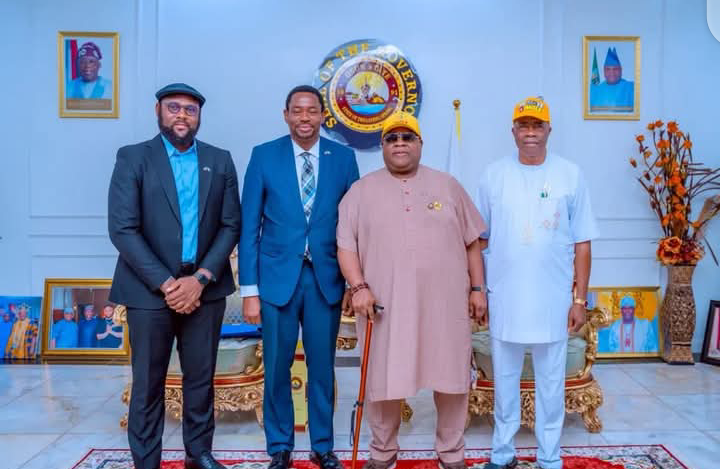
Osun State Governor Ademola Adeleke has called for international sanctions, including visa restrictions, against individuals he accuses of sponsoring political violence and killings in the state, escalating an already tense political atmosphere ahead of future electoral activities.
The governor’s appeal comes amid growing concerns over recurring clashes between political supporters in Osun State, with security agencies, civil society groups, and political stakeholders urging restraint to prevent further bloodshed. Adeleke alleged that some opposition figures were directly or indirectly responsible for orchestrating violent attacks that have claimed lives and threatened public peace.
Speaking through an official statement released by his spokesperson, the governor urged Nigeria’s international partners to closely monitor developments in Osun and impose diplomatic consequences on individuals found to be sponsoring violence. According to Adeleke, democracy cannot flourish where political actors allegedly resort to intimidation, killings, and the use of armed groups to influence political outcomes.
Governor Demands International Action
Governor Adeleke argued that those allegedly responsible for sponsoring political unrest should not enjoy unrestricted access to foreign countries while undermining democratic institutions at home.
He called on the international community to consider targeted visa bans and economic sanctions against individuals linked to acts of political violence, stressing that accountability should extend beyond domestic legal processes where credible evidence exists.
According to the governor, political competition should be conducted through lawful and democratic means rather than violence.
He maintained that his administration remains committed to protecting lives and property while supporting security agencies in investigating all reported incidents.
Allegations Against Opposition Leaders
Although Adeleke’s administration did not publicly present judicial findings establishing the culpability of the accused opposition figures, the governor insisted that investigations and intelligence reports should be thoroughly examined by relevant authorities.
He alleged that recent attacks resulting in deaths and injuries reflected a coordinated effort by political actors seeking to destabilize the state.
The governor appealed to law enforcement agencies to intensify investigations and ensure that anyone found responsible, regardless of political affiliation, faces prosecution in accordance with Nigerian law.
He emphasized that justice for victims remains essential to preserving public confidence in democratic governance.
Opposition Yet to Accept Allegations
Leaders of the opposition have consistently denied accusations of sponsoring violence in Osun State, maintaining that they remain committed to peaceful democratic engagement.
Political observers note that allegations and counter-allegations have become increasingly common during periods of heightened political rivalry in several Nigerian states. Analysts have therefore urged all parties to avoid inflammatory rhetoric capable of escalating tensions before investigations are concluded.
Legal experts also emphasize that criminal responsibility should ultimately be determined through due process rather than political declarations.
Security Agencies Under Pressure
The governor’s remarks have intensified calls for Nigeria’s security agencies to conduct transparent and impartial investigations into the reported killings.
The Nigeria Police Force and other security institutions have repeatedly stated their commitment to investigating politically motivated crimes without bias. Human rights advocates have similarly called for swift prosecution of perpetrators to discourage future violence.
Observers argue that effective law enforcement, rather than political accusations alone, remains the most sustainable solution to recurring election-related violence across Nigeria.
Political Violence Remains a National Concern
Political violence has continued to pose significant challenges to Nigeria’s democratic development. Over the years, election observers, civil society organisations, and international partners have repeatedly warned that violent political competition weakens democratic institutions and discourages voter participation.
Incidents involving clashes between rival political supporters have occurred in several states during election cycles, sometimes resulting in fatalities, destruction of property, and displacement of residents.
Analysts say addressing the root causes—including youth unemployment, political intolerance, hate speech, and the proliferation of small arms—will require coordinated efforts by governments, political parties, security agencies, and community leaders.
Calls for Peace and Responsible Leadership
Beyond his appeal for international sanctions, Governor Adeleke urged residents of Osun State to remain peaceful and resist attempts by political actors to provoke unrest.
He encouraged citizens to cooperate with security agencies by providing credible information capable of assisting ongoing investigations.
Religious leaders, traditional rulers, and civil society organisations have also appealed to politicians across party lines to place public safety above partisan interests.
Many governance experts believe that sustained dialogue among political stakeholders, combined with impartial law enforcement, remains essential for preserving stability in Osun State.
International Perspective on Democratic Accountability
Calls for targeted sanctions against individuals accused of undermining democracy are not unprecedented. Countries including the United States, the United Kingdom, Canada, and the European Union have, in various instances, imposed visa restrictions or financial sanctions on individuals accused of electoral violence, corruption, or human rights abuses in different parts of the world.
However, such measures are generally based on independent investigations, legal findings, or established evidence. International legal experts note that due process remains central to any decision involving sanctions or travel restrictions.
For Nigeria, strengthening domestic accountability mechanisms remains the primary avenue for addressing political violence. Independent investigations, credible prosecutions, and judicial transparency are widely regarded as the most effective means of deterring future abuses while protecting democratic institutions.
Looking Ahead
As investigations into the reported killings continue, attention is likely to remain focused on how security agencies respond to the governor’s allegations and whether sufficient evidence emerges to support any criminal prosecutions.
Political analysts warn that inflammatory statements from any side could deepen divisions and heighten tensions if not accompanied by responsible leadership and respect for legal processes.
For Osun residents, the priority remains peace, justice for victims, and the assurance that political disagreements will be resolved through democratic institutions rather than violence.
With Nigeria continuing to strengthen its democratic institutions, the handling of allegations surrounding political violence in Osun State may serve as an important test of accountability, rule of law, and the country’s commitment to peaceful political participation.
Sources:
- The Punch
- Premium Times Nigeria
- Channels Television
- Vanguard Nigeria
- Daily Trust
- Nigerian Tribune