Reported by Weng Patrick Atokor l Journalist at Weng Global
The effort by Nigeria’s opposition parties to present a single consensus presidential candidate against President Bola Tinubu in the 2027 general election has suffered a major setback, following growing disagreements over political ambitions and the willingness of individual candidates to step aside.
The development has raised fresh questions about the future of the G-100 opposition unity initiative, which has been working to encourage political parties and presidential hopefuls to cooperate ahead of the next presidential election.
The proposed arrangement was intended to reduce divisions within the opposition and improve its chances of challenging the ruling All Progressives Congress (APC). However, persistent differences among political actors have complicated efforts to establish a common presidential platform.
G-100 Chieftain Questions Opposition Unity
The latest development reflects disagreements that have emerged among opposition parties over the proposed consensus arrangement.
The G-100 initiative was established to encourage opposition leaders to find common ground and develop a coordinated strategy ahead of the 2027 elections. Its activities have involved consultations with political parties and their presidential candidates.
Six parties initially associated with the process were:
- African Democratic Congress (ADC)
- Nigeria Democratic Congress (NDC)
- Allied Peoples Movement (APM)
- Peoples Democratic Party (PDP)
- Peoples Redemption Party (PRP)
- Social Democratic Party (SDP)
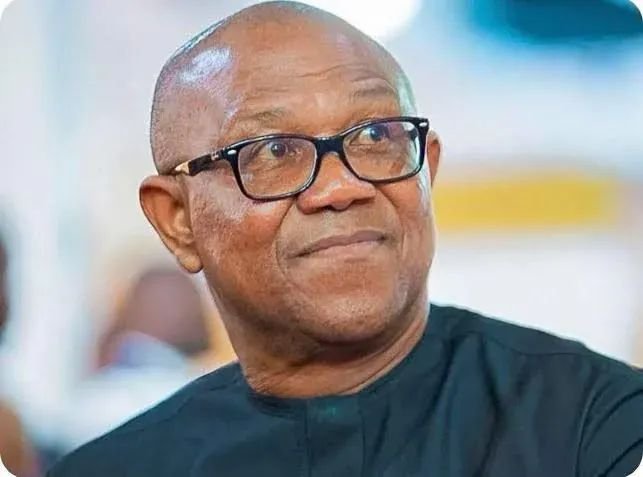
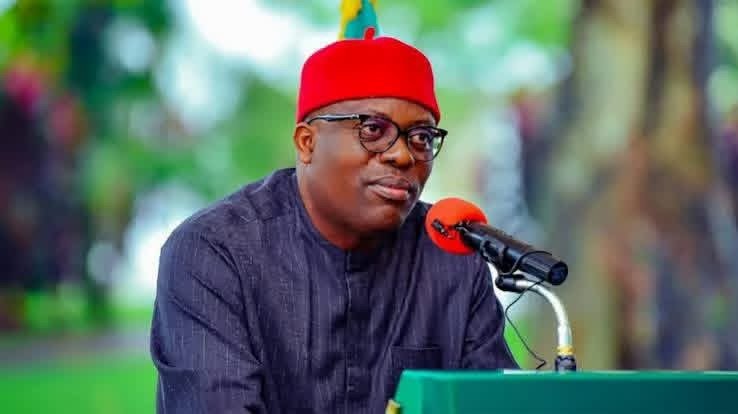
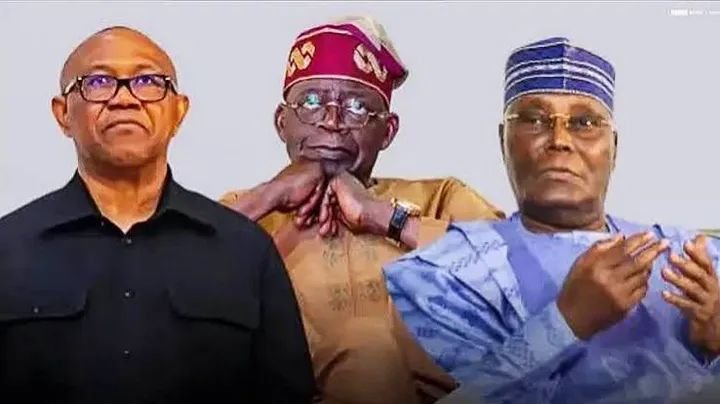
The consultations involved prominent political figures, including former Vice-President Atiku Abubakar, former Anambra State Governor Peter Obi, Oyo State Governor Seyi Makinde, Adewole Adebayo and former Cross River State Governor Donald Duke. Premium Times Nigeria +1
The challenge has been finding an acceptable arrangement that would persuade presidential hopefuls to subordinate their individual ambitions to a common opposition candidate.
Atiku, Obi and Other Political Interests Complicate Negotiations
The political ambitions of leading opposition figures have remained a major obstacle to the proposed consensus arrangement.
Atiku Abubakar and Peter Obi are among the most prominent opposition politicians associated with the discussions. Both have significant political followings, making any decision about who should emerge as a common candidate particularly sensitive.
Other presidential hopefuls also have political interests and party structures to consider.
Earlier reporting by The PUNCH identified resistance among the camps of Atiku, Obi and Makinde to suggestions that they should withdraw in favour of another aspirant. Punch Newspapers +1
The situation illustrates the difficulty of building a coalition around a single presidential candidate when participating politicians have already established their own electoral ambitions.
ADC Maintains That Discussions Focus on Electoral Cooperation
The African Democratic Congress has also offered a different interpretation of the G-100 negotiations.
The party’s National Publicity Secretary, Bolaji Abdullahi, confirmed that the ADC was participating in the discussions but said their objective was broader electoral cooperation rather than necessarily producing one presidential candidate.
He explained that opposition parties could work together in areas where individual parties have stronger political support, including efforts to protect votes during the election.
This position differs from the broader consensus-candidate objective previously outlined by G-100 convenor Salihu Lukman.
The difference in emphasis highlights the absence of a publicly established agreement on whether the participating parties will eventually support one presidential candidate or maintain separate tickets while cooperating in other areas. ADC +1
G-100 Had Previously Expressed Confidence in Opposition Unity
Despite the disagreements, the G-100 leadership had previously maintained that negotiations were making progress.
On October 17, 2026, Lukman told Channels Television’s Hard Copy programme that opposition parties had taken greater ownership of the negotiations and were working towards building the trust necessary for cooperation.
He acknowledged that divisions and mistrust remained significant challenges but suggested that an agreement could emerge even shortly before the election.
Lukman also indicated that the proposed alliance could extend beyond the six parties initially involved.
The position suggested that the initiative was not necessarily abandoning its consensus-candidate objective, even as disagreements continued among political stakeholders. Lukma +1
Why the Development Matters for the 2027 Election
The possibility of a divided opposition has important implications for Nigeria’s 2027 presidential election.
President Bola Tinubu and the APC will face an electoral contest in which opposition parties must determine how best to challenge the ruling party.
If major opposition politicians contest independently, their supporters and votes could become divided across different political platforms.
That could make it more difficult for any individual opposition candidate to mount a sufficiently strong challenge.
However, a consensus arrangement would also require political compromises, agreement on leadership and a mechanism for selecting a candidate acceptable to participating parties and their supporters.
The disagreement therefore goes beyond choosing a presidential candidate. It also concerns the structure, leadership and political direction of any proposed opposition alliance.
For Nigerian voters, the outcome could influence the strength of political competition, the range of alternatives available and the ability of opposition parties to hold the government accountable.
What Happens Next?
The immediate question is whether the opposition parties will continue negotiations through the G-100 framework or pursue alternative arrangements for cooperation ahead of the 2027 elections.
The participating parties will also need to address disagreements over candidate selection, electoral strategy and the extent to which individual politicians are prepared to make concessions.
As of the latest independently accessible reporting reviewed for this article, no jointly announced agreement had established a single opposition presidential candidate.
It is therefore important to distinguish the reported assessment that the consensus plan is dead from an officially confirmed dissolution of the G-100 initiative or the complete collapse of opposition cooperation.
The coming months will be important in determining whether Nigeria’s opposition can overcome its internal differences and develop a coordinated electoral strategy against the ruling APC.
For now, the reported setback exposes one of the biggest challenges confronting opposition politics in Nigeria: bringing influential politicians with competing presidential ambitions together behind a common political objective.
Weng Global – Stories beyond borders
Sources
- The PUNCH – Opposition’s consensus candidate plan dead – G-100 chieftain
- Premium Times – 2027: Seven weeks after G100 summit, questions persist over five unity documents
- Premium Times – G100 alliance talks not about consensus presidential candidate – ADC
- TheCable – Opposition parties moving closer to alliance ahead of 2027, says Salihu Lukman
- Vanguard – Opposition coalition closer to picking consensus candidate – G100