Reported by Simon Daniel Yusuph l Journalist at Weng Global
At least seven survivors of the recent herbal and alcoholic drink poisoning outbreak in Ondo State have suffered total or partial blindness, as physicians warn that some victims exposed to high levels of methanol could be left with permanent damage.
The warning follows laboratory findings by the National Agency for Food and Drug Administration and Control (NAFDAC), which detected high concentrations of methanol in samples of locally prepared alcoholic and herbal concoctions consumed in affected communities.
As of September 17, NAFDAC had recorded 182 cases of illness and 48 deaths linked to the outbreak. The agency said five victims had become totally blind while two others suffered partial blindness.
The development has raised renewed concerns about the dangers associated with consuming unregistered alcoholic and herbal preparations whose ingredients, production methods and sources cannot be verified.
Methanol Linked to Severe Eye Damage
Methanol is a highly toxic form of alcohol that is different from ethanol, the type of alcohol found in regulated alcoholic beverages.
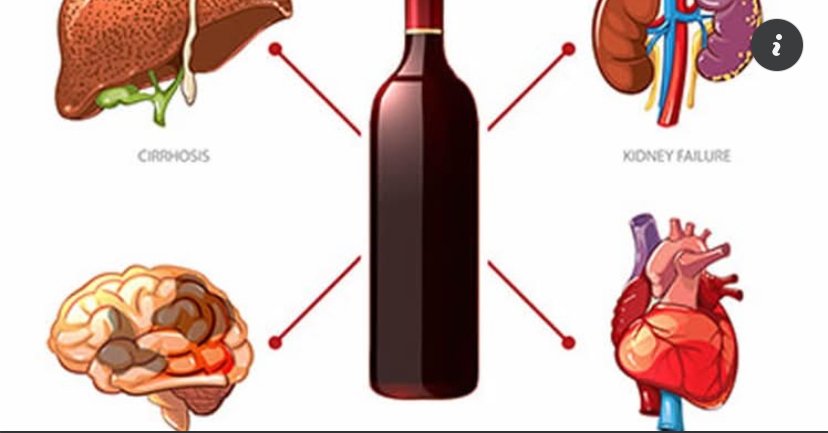
When methanol is consumed, the body breaks it down into toxic substances that can cause serious damage to the optic nerve and other organs. Medical literature has documented blindness, neurological complications, organ failure and death among victims of methanol poisoning.
The danger is particularly serious because a person who consumes a contaminated drink may initially mistake early symptoms for ordinary alcohol intoxication.
Symptoms can include headache, weakness, dizziness, visual disturbances, breathing difficulties and altered consciousness. NAFDAC said some victims in the Ondo outbreak deteriorated rapidly.
Physicians have therefore warned that surviving the initial poisoning does not necessarily mean that a victim will escape lasting consequences.
“That’s why people should be careful when they take these alcohols unrestricted, or the ones that they don’t know the source of. Because they may have permanent damage that is irreversible for life,” physicians warned.
The warning is particularly relevant to people consuming locally prepared alcoholic or herbal products sold without proper labelling or regulatory approval.
What NAFDAC Found in the Drinks
NAFDAC said it examined 15 unlabelled samples collected from affected communities.
According to the agency, laboratory testing detected high concentrations of methanol in the suspected drinks. Chemical analysis was conducted using gas chromatography, while the samples were also subjected to microbiological and acute oral toxicity testing.
NAFDAC also reported that 11 of the 15 samples tested positive for Cannabis indica.
The agency said acute oral toxicity testing showed critically ill laboratory mice, with approximately 50 per cent mortality recorded in six of the samples tested. It described the findings as evidence of significant toxic potential.
However, NAFDAC said further confirmatory testing was still being conducted to establish the precise methanol concentrations and identify other possible toxic substances.
This distinction is important because laboratory findings have established the presence of methanol in the tested samples, while investigations into the complete circumstances surrounding the contamination remain ongoing.
48 Deaths and 182 Reported Cases
The outbreak was first reported in communities around Odigbo Local Government Area in Ondo State in early September.
The affected communities include Odigbo Town, Araromi-Obu, New Town, Odole, Okele, Orita Odigbo and Oniparaga. NAFDAC later reported that cases had extended beyond Odigbo to Irele Local Government Area.
As of September 17, NAFDAC reported 182 affected people.
Of that number, 90 had been admitted to hospitals and subsequently discharged, 31 were treated as outpatients and six remained hospitalised at the time of the agency’s update.
Five people had reportedly suffered total blindness, while two others had partial blindness.
The agency said reported symptoms included headaches, generalised body weakness and pain, visual disturbances, difficulty breathing and altered consciousness.
The death toll had increased from earlier figures as investigations progressed and additional cases were recorded.
Why Survivors Remain at Risk
The medical concern surrounding methanol poisoning extends beyond immediate deaths.
A previous study of a methanol poisoning outbreak in South-South Nigeria found that survivors of such incidents can experience irreversible complications, including blindness. The study also documented the connection between methanol-contaminated alcohol and severe neurological and visual complications.
Historical experience from Ondo itself provides another example.
In 2015, an outbreak in Odo-Irele was eventually traced to methanol-contaminated local gin. Health officials reported sudden blindness and deaths among people who had consumed the drink.
Some survivors recovered their sight after receiving treatment, demonstrating that outcomes can differ depending on factors including the quantity consumed, severity of poisoning and speed of medical intervention.
That history also underscores why doctors are stressing early medical attention in the current outbreak.
Early Treatment Can Matter
Methanol poisoning requires urgent medical assessment and treatment.
The symptoms should not be dismissed as ordinary drunkenness, particularly when visual problems, severe headache, unusual weakness, breathing difficulties or altered consciousness occur after consuming an unverified alcoholic or herbal product.
NAFDAC has advised people experiencing symptoms such as sudden visual disturbances, severe headache, difficulty breathing or altered consciousness after consuming such substances to seek immediate medical attention.
The warning is especially important because the progression from initial symptoms to serious complications can be rapid.
Medical literature on previous Nigerian outbreaks has also shown that prompt diagnosis and treatment can improve outcomes, while delayed treatment can increase the risk of severe complications.
The Danger of Unregulated Alcohol
The Ondo outbreak has also drawn attention to the wider public-health risks associated with unregulated alcoholic beverages.
Locally produced drinks are consumed in parts of Nigeria for cultural, social and economic reasons. However, products made outside controlled production systems may lack reliable labelling, quality testing and traceability.
The problem becomes more serious when consumers cannot determine what substances have been used in a drink or where it was produced.
NAFDAC has consequently warned Nigerians against consuming unlicensed, unregistered or locally prepared alcoholic and herbal concoctions whose safety cannot be established.
The Pharmaceutical Society of Nigeria’s Board of Fellows has also called for stricter regulation, standardisation and quality control of herbal products and locally prepared alcoholic concoctions following the Ondo deaths and illnesses.
Arrests and Investigation
The poisoning incident has also triggered enforcement action.
NAFDAC said 15 people had been arrested in connection with the suspected production, sale and distribution of the implicated locally prepared beverages.
Earlier investigations had also led to the arrest of a suspected producer in Ondo.
Authorities are continuing to investigate how the contaminated drinks were produced, distributed and consumed, while NAFDAC said additional testing was ongoing.
The agency has stressed that figures remain subject to verification as the investigation and surveillance operations continue.
A Public Health Warning Beyond Ondo
The consequences of the Ondo outbreak extend beyond the communities directly affected.
The combination of deaths, hospitalisations and permanent or potentially permanent visual impairment demonstrates the potential consequences of consuming alcoholic or herbal products whose contents are unknown.
For consumers, the central health message is straightforward: the source of an alcoholic or herbal preparation matters.
A product being commonly sold or described as traditional does not establish that it is safe. Similarly, a drink’s appearance, taste or reputation cannot reliably establish whether it contains toxic substances.
The current outbreak also reinforces the importance of effective regulation, laboratory testing, public awareness and rapid medical response when unusual clusters of illness occur.
What Happens Next
NAFDAC’s investigation remains ongoing, with further confirmatory testing expected to clarify the concentration of methanol and identify any additional toxic substances in the affected products.
Health authorities are also expected to continue surveillance and public-health measures in the affected communities.
For people who consumed the suspected products and remain unwell, medical assessment is particularly important because visual disturbances and other neurological symptoms can indicate serious poisoning.
The seven reported cases of total or partial blindness are a reminder that survival from methanol poisoning can come with long-term consequences.
The immediate priority for authorities remains preventing further consumption of the suspected products, identifying their source and distribution networks, treating affected people and determining how the contamination occurred.
For the public, physicians’ warning is equally important: consuming alcohol or herbal mixtures from an unknown or unregulated source can carry consequences that extend far beyond temporary intoxication — including irreversible injury and death.
Weng Global – stories beyond borders
Sources
- National Agency for Food and Drug Administration and Control (NAFDAC)
- Associated Press
- Channels Television
- Punch Newspapers
- Premium Times
- The Guardian Nigeria
- Pharmaceutical Society of Nigeria
- Peer-reviewed medical research on methanol poisoning in Nigeria