Reported by Simon Daniel Yusuph l Journalist at Weng Global
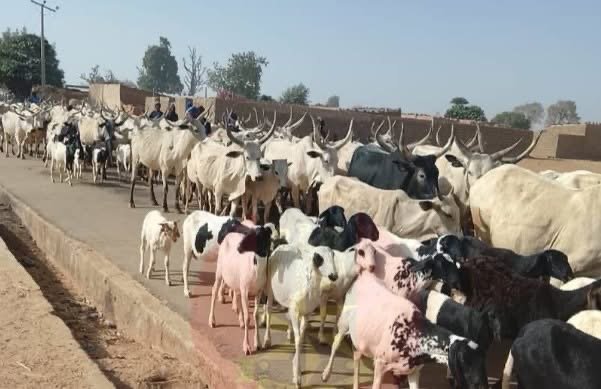
Healthy-looking livestock can carry bacteria that have developed resistance to antibiotics and other antimicrobial medicines, creating potential pathways for drug-resistant infections to reach humans through food, water, the environment and direct contact.
The warning is part of a wider global concern over antimicrobial resistance (AMR), in which bacteria and other microorganisms develop the ability to survive medicines that were previously effective against them.
The World Health Organization (WHO) says antimicrobial-resistant bacteria can move from food-producing animals to humans through direct contact, the food chain and the environment. Bacteria such as Salmonella, Campylobacter and certain strains of Escherichia coli can be carried by animals and contaminate food during production, slaughtering and processing.
The risk does not depend entirely on whether an animal appears sick.
An animal can look healthy while carrying bacteria without obvious clinical signs. If those bacteria are resistant to important medicines, they can potentially enter the human population through several routes.
How Healthy Animals Can Carry Resistant Bacteria
Antimicrobial resistance develops when microorganisms acquire characteristics that allow them to survive exposure to medicines designed to kill them or stop their growth.
In livestock production, antimicrobial medicines are used to treat bacterial infections and, under certain circumstances, prevent disease. However, inappropriate or excessive use can create selective pressure that allows resistant bacteria to survive and multiply.
The Food and Agriculture Organization of the United Nations (FAO) says antimicrobial use in animal production has expanded beyond treatment of sick animals in some farming systems to include disease prevention and, historically, growth promotion. It notes that the use of antimicrobials in healthy animals can occur where large numbers of animals are kept in conditions with inadequate hygiene or biosecurity.
This does not mean that every animal receiving an antimicrobial will become a carrier of resistant bacteria.
Rather, antimicrobial exposure can create conditions in which bacteria with resistance traits have an advantage over susceptible bacteria. Resistant organisms can then persist and spread within animal populations and into surrounding environments.
The World Organisation for Animal Health (WOAH) says antimicrobial resistance can affect animals, humans, plants and the environment, with resistant bacteria capable of moving between these interconnected systems.
The Food Chain Is a Major Route
One of the most important ways resistant bacteria can reach people is through contaminated food.
During slaughter and processing, bacteria present in an animal’s intestinal tract or on its body can contaminate meat and other animal products if hygiene and handling procedures fail to prevent cross-contamination.
WHO identifies food as an important pathway for the transmission of antimicrobial-resistant bacteria from animals to humans. The organisation says resistant bacteria can contaminate food from the farm through slaughtering and processing and eventually reach consumers.
This is why food safety cannot begin only in the kitchen.
Controls are required throughout the food chain, including on farms, during transportation, at slaughter facilities, during processing, in markets and restaurants, and when food is prepared at home.
WOAH describes this as a “farm to fork” approach, stressing that prevention, detection and control of animal-origin hazards at the primary production stage can reduce both food contamination and human illness.
Water and the Environment Can Also Carry the Risk
The pathway is not limited to meat, milk or eggs.
Resistant bacteria and antimicrobial residues can enter soil and water through animal waste and other agricultural activities.
WOAH says resistant bacteria associated with treated animals can be present in manure and subsequently spread into the environment and wildlife. It also warns that antimicrobial pollution can contribute to the emergence and transmission of resistance.
This creates a wider environmental connection.
Farm workers, livestock handlers and communities living around animal production systems can potentially come into contact with resistant organisms through contaminated surfaces, soil, water or animal waste.
The precise contribution of each pathway differs according to the bacteria involved, farming system, local sanitation conditions and patterns of antimicrobial use.
Researchers therefore caution against treating all cases of human AMR as originating from livestock.
WOAH’s recent scientific review notes that resistant genes can circulate among bacterial populations in humans and animals, making it difficult in some circumstances to determine the direction of transmission or identify a single source.
Direct Contact With Animals
People who work closely with livestock may also face exposure through direct contact.
Farmers, veterinary workers, slaughterhouse employees, animal handlers and others who routinely interact with livestock can encounter bacteria carried by animals or present in animal waste.
This is one reason hygiene and biosecurity remain important even when animals appear healthy.
Washing hands after handling animals, maintaining clean equipment and facilities, properly managing animal waste and using appropriate protective measures can reduce opportunities for bacteria to move between animals, people and the environment.
WOAH recommends good animal-management practices, hygiene procedures and biosecurity measures as part of efforts to prevent infections and reduce the need for antimicrobial treatment.
Why Antimicrobial Use Matters
Antibiotics remain essential for treating bacterial infections in both humans and animals.
The objective is therefore not to eliminate legitimate veterinary use of antibiotics.
Instead, health authorities are calling for responsible use based on veterinary diagnosis, appropriate medicines, correct doses and appropriate treatment periods.
WOAH says antibiotics remain necessary for animal health and welfare but warns that misuse and unnecessary use can accelerate the emergence of resistance.
The FAO similarly identifies antimicrobial use in livestock as an important part of the AMR challenge and supports measures that reduce unnecessary exposure while maintaining access to medicines when animals genuinely need treatment.
WHO has also called for an overall reduction in the use of medically important antibiotics in food-producing animals and recommends measures such as better hygiene and vaccination to reduce the need for antimicrobial treatment.
Healthy Livestock Does Not Mean Risk-Free Livestock
The phrase “healthy livestock” can be misleading if it is understood to mean animals that are completely free of potentially harmful bacteria.
An animal may show no obvious signs of illness while carrying bacteria in its intestinal tract or elsewhere in its body.
The presence of bacteria alone does not necessarily mean a person will become sick.
Risk depends on factors including the organism involved, its ability to cause disease, whether it is resistant to medicines, the amount of exposure and whether food or environmental controls prevent transmission.
This distinction is important because antimicrobial resistance is not simply a disease that visibly affects animals.
It is also a biological characteristic of microorganisms.
A resistant bacterium may exist within an animal without causing noticeable illness, yet become a problem if it reaches a person and causes an infection that is difficult to treat.
The Human Health Consequences
When antimicrobial-resistant bacteria cause human infections, doctors may have fewer effective medicines available.
WHO warns that resistant infections can result in longer illnesses, more frequent hospitalisation and treatment failure, including deaths in severe cases.
The problem is particularly concerning when bacteria become resistant to several classes of medicines.
WOAH’s current assessment describes AMR as a threat spanning human health, animal health, food safety, food security and livelihoods. Its 2026 scientific review also identifies multidrug-resistant foodborne pathogens such as Salmonella as an important public-health concern.
The wider global burden is substantial.
WOAH cites estimates that bacterial AMR was associated with about five million human deaths worldwide in 2019, including approximately 1.3 million deaths directly attributable to bacterial AMR.
These figures cover antimicrobial resistance broadly and should not be interpreted as deaths caused specifically by livestock-origin bacteria.
Why This Is a One Health Issue
The connection between livestock and human health illustrates why experts increasingly use the One Health approach.
One Health recognises that the health of people, animals, plants and the environment is interconnected.
A resistant bacterium can move through these systems in different ways. Human antimicrobial use can contribute to resistance, just as inappropriate antimicrobial use in animals can. Environmental contamination can further complicate the picture.
WHO, FAO, WOAH and the United Nations Environment Programme have therefore worked together on antimicrobial resistance through a coordinated One Health approach.
In May 2026, the World Health Assembly adopted an updated Global Action Plan on Antimicrobial Resistance for 2026–2036, calling for coordinated action across human health, animal health, food systems and the environment.
The plan reflects growing recognition that AMR cannot be addressed by hospitals alone.
What Farmers and Animal Health Professionals Can Do
Preventing infections in livestock is one of the most important ways to reduce unnecessary antimicrobial use.
Farmers can reduce disease pressure through good hygiene, adequate housing, appropriate nutrition, vaccination where available, biosecurity and proper animal management.
Veterinary professionals also have an important role in ensuring that antibiotics are prescribed appropriately and that farmers understand when treatment is necessary.
WOAH recommends using antimicrobials responsibly and in consultation with animal-health professionals, while emphasising disease prevention, vaccination and biosecurity as tools for reducing the need for antimicrobial medicines.
These measures can protect both animal welfare and human health.
What Consumers Should Know
Consumers also have a role in reducing the risk of foodborne infection.
Proper cooking of meat and other foods, separation of raw and cooked foods, clean preparation surfaces and regular handwashing can reduce exposure to harmful bacteria.
Food safety remains important even when the animal from which food originated appeared healthy.
Consumers should also understand that antimicrobial resistance cannot be identified simply by looking at food.
A piece of meat cannot be visually inspected to determine whether it contains a drug-resistant bacterium.
That makes safe production, processing, storage and preparation essential.
What Happens Next
The global response to antimicrobial resistance is increasingly focused on surveillance, responsible antimicrobial use, improved food safety, vaccination, infection prevention and stronger cooperation between human and animal health authorities.
WOAH’s 2026 review highlights the need for stronger surveillance and better understanding of AMR transmission in food systems, while WHO’s updated global action plan calls for coordinated action across sectors.
For livestock-producing countries, including those in Africa, strengthening veterinary services, laboratory testing, farm biosecurity and food-safety systems will be important parts of that response.
The central lesson is that an animal does not have to look sick for antimicrobial resistance to become a public-health concern.
Drug-resistant bacteria can circulate quietly among animals, people and the environment. Preventing their spread requires responsible antimicrobial use, healthy farming practices, strong food-safety controls and cooperation across the entire food chain.
The issue is therefore not about choosing between human health and animal health.
Protecting one increasingly depends on protecting the other.
Weng Global – stories beyond borders
Sources
- World Health Organization (WHO)
- Food and Agriculture Organization of the United Nations (FAO)
- World Organisation for Animal Health (WOAH)
- World Health Assembly
- WHO Global Action Plan on Antimicrobial Resistance