Reported by Weng Patrick Atokor l journalist at wengglobal
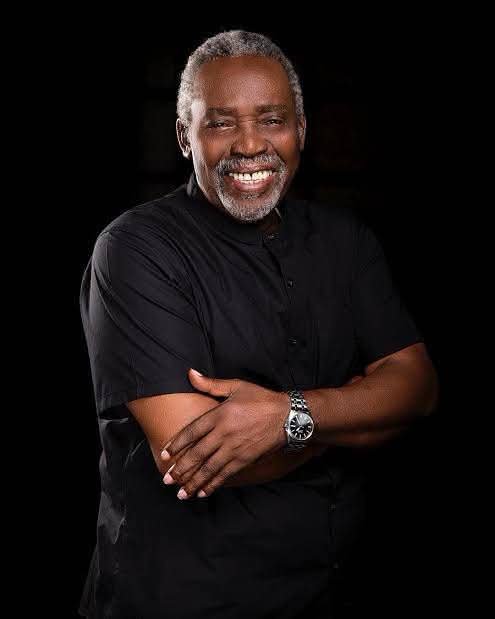
Veteran Nigerian actor and film executive Oludotun Baiyewu Jacobs, popularly known as Olu Jacobs, has died at the age of 84.
His death was announced on Wednesday, September 16, 2026, by his family through his son, Olusoji Jacobs. His wife, veteran actress Joke Silva, is also part of the family announcement surrounding his passing.
The family described Jacobs as a husband, father, grandfather and uncle and referred to him as “The Lion of Lufodo.” It also appealed to bloggers and social media influencers to respect the family’s privacy during the mourning period.
Jacobs was born on July 11, 1942, in Kano, although his family roots were in the Egba Alake community of Abeokuta, Ogun State. His death came just over two months after he celebrated his 84th birthday.
But to understand why the death of Olu Jacobs has generated widespread attention across Nigeria and beyond, it is necessary to look beyond the headline.
Who was Olu Jacobs?
Olu Jacobs was one of the most recognisable actors in Nigeria, but his career was much broader than his work in Nollywood.
His professional journey crossed theatre, British television, international cinema and Nigerian film, giving him a career that spanned more than five decades.
He developed an interest in acting while growing up in Kano. According to accounts of his early life, his interest was strengthened after he watched a performance by Nigerian theatre pioneer Hubert Ogunde.
Jacobs eventually travelled to Britain, where he trained at the Royal Academy of Dramatic Art (RADA) in London.
His training helped establish the foundation for a career that initially developed outside Nigeria before he became one of the defining faces of the country’s emerging film industry.
From the British stage to international screen
Before becoming widely associated with Nollywood, Jacobs had already built experience in British theatre and television.
He appeared in several British television productions during the 1970s, including The Goodies, Till Death Us Do Part, Barlow at Large and The Professionals.
He also appeared in international films, including The Dogs of War, Pirates and Baby: Secret of the Lost Legend.
This part of his career is important because it demonstrates that Jacobs’ acting journey did not begin with Nollywood.
He had already worked across different theatrical and television environments before returning to Nigeria and becoming an important figure in the country’s rapidly developing film industry.
How Olu Jacobs became a major Nollywood figure
Nollywood developed rapidly from the 1990s, creating a new avenue through which Nigerian stories could reach large audiences.
Jacobs became one of the veteran performers associated with that transformation.
His distinctive voice, commanding screen presence and ability to portray authoritative and complex characters made him particularly recognisable to audiences.
Over the years, he appeared in numerous Nigerian films and became one of the familiar faces of the industry.
His career also represented a connection between different generations of Nigerian storytelling — from traditional theatre and stage performance to television and the modern Nigerian film industry.
That transition is one reason his career is significant beyond individual movie roles.
His contribution went beyond acting
Olu Jacobs was not only an actor.
Together with his wife, Joke Silva, he co-founded the Lufodo Group, a media and entertainment organisation that also includes the Lufodo Academy of Performing Arts.
The academy provided training in the performing arts, extending the couple’s involvement in the industry beyond appearing in films.
This aspect of Jacobs’ career is particularly relevant when considering his long-term influence.
An actor’s legacy is often measured through films and performances, but experienced performers can also influence an industry by helping develop younger talent and professional institutions.
Through his work with Silva, Jacobs participated in that wider side of the Nigerian entertainment industry.
The honours that recognised his career
Jacobs received several major recognitions during his career.
In 2007, he won the Africa Movie Academy Award for Best Actor in a Leading Role.
He was also recognised with an Industry Merit Award at the 2013 Africa Magic Viewers’ Choice Awards and received a lifetime achievement honour in 2016.
In 2011, the Nigerian government conferred on him the national honour of Member of the Order of the Federal Republic (MFR) for his contribution to the arts.
These recognitions provide an indication of how his career was regarded within Nigeria’s entertainment and cultural sectors.
His marriage to Joke Silva
Olu Jacobs’ personal and professional story was also closely connected with that of Joke Silva, one of Nigeria’s most respected actresses.
The two actors married in 1989 and became one of the best-known couples in Nigeria’s entertainment industry.
Their careers frequently overlapped through acting, theatre, training and their work with the Lufodo Group.
Silva was also among those who provided public information about Jacobs’ health in his later years.
In 2021, she disclosed that Jacobs had been living with Lewy body dementia, a progressive neurological condition. His public appearances subsequently became less frequent.
However, the family’s announcement of his death on September 16 did not give a cause of death. That distinction is important, particularly because Jacobs’ death had been falsely reported on social media several times before his actual passing.
Why previous death reports matter
Olu Jacobs had previously been the subject of false death reports.
In earlier years, claims about his death circulated online and were subsequently rejected by members of his family.
That history makes the family’s confirmation of his death particularly significant.
Rather than relying on social media rumours, credible reporting organisations waited for confirmation from his family before publishing the news.
His son, Olusoji Jacobs, formally announced the death on Wednesday, September 16, 2026, and the family provided the dates of his birth and death as July 11, 1942, to September 16, 2026.
What Olu Jacobs leaves behind
The most important part of Jacobs’ legacy is not simply the number of films in which he appeared.
It is the breadth of the career he built.
He moved between theatre, television and film, worked in Britain and Nigeria, participated in international productions, helped shape the development of Nollywood and later became involved in training through the Lufodo Academy.
His career therefore mirrors several stages in the development of African screen entertainment.
For older audiences, Jacobs is remembered from theatre and television. For many Nigerians who grew up with Nollywood, he became a familiar presence on screen. For younger performers, his career represents a link to an earlier generation of professional actors who helped establish standards of performance and discipline within the industry.
A career that crossed borders
There is also a wider African dimension to Jacobs’ career.
Nollywood has become one of Africa’s most visible cultural exports, and actors such as Jacobs helped make Nigerian screen talent recognisable to audiences outside the country.
His career demonstrates how Nigerian performers could move between local storytelling and international productions without abandoning their connection to Nigerian culture.
That cross-border career is particularly relevant to the history of modern African cinema.
Jacobs’ work was not limited to one medium or one national audience. His professional life stretched across countries, generations and forms of entertainment.
Nigeria mourns a veteran
Following the announcement of his death, tributes began coming from actors, filmmakers, political figures and members of the public.
The reactions reflect the extent to which Jacobs had become more than a familiar actor.
For many Nigerians, he represented an era of professional acting in which theatre training, television experience and film performance intersected.
His death also closes an important chapter in the story of Nigeria’s entertainment industry.
The industry he entered was very different from today’s Nollywood, which produces films for cinemas, television platforms, streaming services and audiences across the world.
Jacobs witnessed and participated in much of that transformation.
What his death means for Nollywood
The death of Olu Jacobs does not mark the end of Nigerian cinema, but it marks the passing of one of the generation’s most recognisable senior figures.
The Nigerian film industry continues to evolve, with younger actors, filmmakers, producers and digital creators taking the industry into new areas.
Yet the history of that industry remains connected to the performers who established professional careers before the current era of global streaming and digital distribution.
Jacobs was part of that history.
His contribution can therefore be understood not only through the characters he played, but also through the institutions he helped build, the younger performers influenced by his generation and the international exposure he brought to Nigerian acting.
The final chapter
Olu Jacobs’ death at 84 brings an end to a career that lasted more than five decades.
From Kano to London, from the British stage to international cinema and eventually to the heart of Nollywood, his professional journey crossed geographical and cultural boundaries.
His family has asked for privacy as it mourns.
For Nigeria’s film industry, however, his passing has also opened a period of reflection on the generation of actors who helped build the foundation upon which today’s Nollywood stands.
Olu Jacobs leaves behind his wife, Joke Silva, children and grandchildren, as well as a body of work that remains part of Nigeria’s cultural record.
For audiences who watched him on stage, television or film, his death represents the loss of a familiar figure.
For Nollywood, it represents the passing of one of its veteran pillars.
And for African cinema, it closes the chapter on a performer whose career, like the industry he helped shape, crossed borders.
Weng Global – Stories beyond borders
Sources
- Premium Times — Veteran Nollywood actor Olu Jacobs dies at 84
- The Guardian Nigeria — Olu Jacobs dies at 84
- Channels Television — Veteran Nollywood Actor Olu Jacobs Dies At 84
- Africanews — Olu Jacobs, veteran of Nigerian and British screen, dies aged 84
- PUNCH — Veteran actor Olu Jacobs dies at 84
- Voice of Nigeria — Veteran Nigerian Actor Olu Jacobs Dies At 84