Reported by Simon yusuph,| Journalist at wengglobal
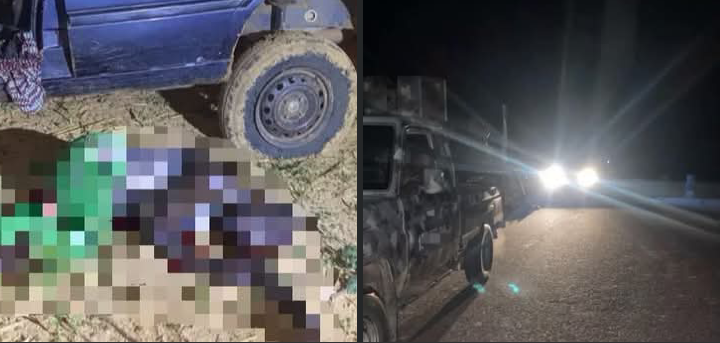
Nigerian troops have recorded another operational success against insurgent groups in the North-East after foiling an attempted levy collection by suspected Boko Haram and Islamic State West Africa Province (ISWAP) fighters in Yobe State. During the operation, one insurgent was killed while troops recovered weapons and other military items, underscoring the military’s continued efforts to weaken terrorist networks operating across the region.
The latest development forms part of the ongoing counter-insurgency campaign under Operation HADIN KAI, the Nigerian military’s flagship operation aimed at dismantling Boko Haram and ISWAP strongholds in the North-East. Military authorities say the operation demonstrates increasing pressure on terrorist groups that continue to rely on extortion, illegal taxation, and intimidation of rural communities to finance their activities.
According to official military sources, troops acted on credible intelligence indicating that insurgents were moving through parts of Yobe State to collect levies from residents and local traders. Such levies, often imposed under threats of violence, have become one of the principal methods through which terrorist groups sustain logistics, procure weapons, and maintain influence over vulnerable communities.
The troops swiftly mobilised to intercept the insurgents before the illegal collection could take place. A gun battle reportedly ensued, leading to the death of one terrorist, while others escaped with varying degrees of injuries into nearby bushes.
Security forces recovered firearms, ammunition, and other operational equipment abandoned by the fleeing insurgents. The military said troops have continued exploitation operations in the surrounding communities to track down the remaining members of the terrorist cell and prevent further attacks.
The Nigerian Armed Forces have repeatedly stressed that disrupting the financial lifelines of terrorist organisations is just as important as eliminating their fighters on the battlefield. By preventing insurgents from collecting taxes and levies from civilians, security agencies hope to reduce the operational capabilities of Boko Haram and ISWAP while restoring public confidence in government authority.
For years, communities across Borno, Yobe, and Adamawa states have reported being subjected to illegal taxation by insurgent groups. Farmers, fishermen, herders, transport operators, and traders have frequently been compelled to surrender portions of their income or harvests under the threat of abduction, violence, or death.
Security analysts note that these illicit revenue streams have enabled terrorist organisations to sustain prolonged insurgencies despite sustained military offensives. Consequently, military operations targeting these financial networks have become an increasingly important component of Nigeria’s counter-terrorism strategy.
Operation HADIN KAI has intensified intelligence-led operations across the Lake Chad Basin and neighbouring communities, combining ground offensives with aerial surveillance to identify insurgent hideouts and disrupt planned attacks. Recent operations have focused not only on eliminating terrorists but also on destroying logistics bases, intercepting arms movements, and rescuing kidnapped civilians.
Military authorities maintain that sustained pressure has significantly degraded the operational strength of Boko Haram and ISWAP compared to previous years. Nevertheless, officials acknowledge that remnants of both groups continue to exploit difficult terrain, including forests and border communities, to launch sporadic attacks and extortion campaigns.
The latest success in Yobe reflects the evolving nature of the conflict, where terrorists increasingly rely on criminal activities including taxation, cattle rustling, kidnapping for ransom, and smuggling to compensate for losses inflicted by security forces.
Security experts believe that preventing insurgents from collecting levies delivers both economic and psychological benefits. Beyond denying terrorists access to funding, successful interventions reassure local populations that government forces remain committed to protecting vulnerable communities from coercion and exploitation.
The Nigerian military has repeatedly urged residents across the North-East to continue providing timely and credible intelligence capable of preventing terrorist activities before they occur. Officials say cooperation between civilians and security agencies has contributed significantly to recent operational successes.
Community engagement has become a central pillar of Nigeria’s counter-insurgency campaign, with local vigilante groups and traditional leaders increasingly collaborating with security agencies to identify suspicious movements and prevent infiltration by insurgent elements.
While military operations continue to record tactical victories, humanitarian organisations have consistently emphasised the need for sustained reconstruction, rehabilitation, and economic recovery across conflict-affected communities. Years of insurgency have displaced millions of people, destroyed livelihoods, disrupted education, and weakened access to healthcare throughout the North-East.
Analysts argue that lasting peace will depend not only on military victories but also on addressing socio-economic challenges that extremist groups have historically exploited. Investments in infrastructure, agriculture, education, youth employment, and community resilience remain critical to preventing the resurgence of violent extremism.
The Federal Government has continued to reaffirm its commitment to strengthening military capabilities through improved intelligence gathering, modern equipment acquisition, and enhanced regional cooperation with neighbouring countries within the Multinational Joint Task Force (MNJTF).
Regional security collaboration involving Nigeria, Niger, Chad, and Cameroon has played a significant role in limiting cross-border movements by terrorist groups operating around the Lake Chad region. Despite ongoing security challenges, coordinated operations have disrupted several insurgent camps and reduced the ability of terrorists to operate freely across international boundaries.
The Yobe operation therefore represents more than an isolated battlefield success. It highlights an increasingly intelligence-driven strategy aimed at dismantling every aspect of terrorist operations—from combat units to financial networks that sustain insurgent activities.
As security forces continue Operation HADIN KAI, authorities have reiterated their determination to sustain momentum against Boko Haram and ISWAP while encouraging communities to remain vigilant and report suspicious activities promptly.
The military says every disrupted levy collection weakens terrorist financing, protects civilian livelihoods, and reinforces ongoing efforts to restore lasting peace and stability across Nigeria’s North-East.
Sources:
- Nigerian Army Headquarters
- Defence Headquarters (DHQ), Nigeria
- News Agency of Nigeria (NAN)
- Premium Times Nigeria
- Punch Newspapers
- Daily Trust
- Channels Television
- Reuters