Reported by Simon Daniel Yusuph l Journalist at Weng Global
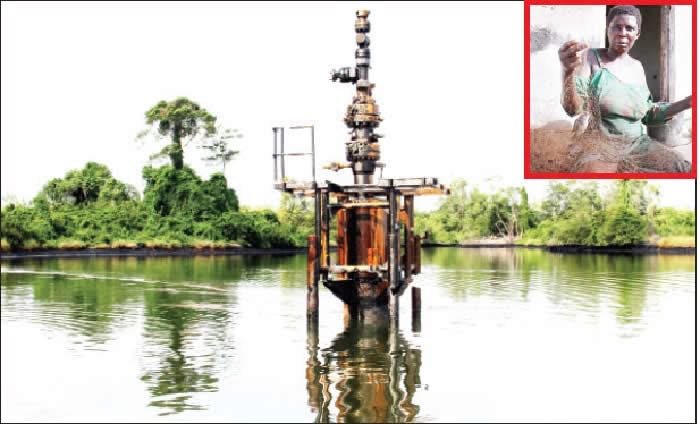
Residents of oil-producing communities in Nigeria’s Niger Delta, particularly in Rivers and Bayelsa states, are raising renewed concerns about oil pollution, suspected gas leaks and growing health risks, calling for stronger government intervention, transparent investigations and lasting environmental solutions.
The concerns have intensified amid continuing reports of environmental contamination, threats to drinking water, damage to fishing grounds and fears about the safety of people living close to oil and gas infrastructure. Recent cases involving gas seepage in Rivers State and new oil spill records across the region have renewed questions about the effectiveness of environmental monitoring, emergency response and accountability in Nigeria’s petroleum-producing communities.
The scale of the problem varies from one community to another, and claims linking particular deaths or illnesses to oil pollution require scientific investigation. However, previous environmental assessments and recent reports from affected communities show that oil contamination and gas leaks remain serious issues requiring sustained attention from regulatory authorities, oil companies and government institutions.
For residents whose livelihoods depend on fishing, farming and local waterways, the consequences extend beyond environmental damage. Pollution can threaten access to safe water, disrupt household income, undermine food security and increase the cost of meeting basic needs.
Fresh Oil Spill Reports Renew Environmental Concerns
Official oil spill records have continued to document incidents across the Niger Delta, where crude oil production and transportation operate alongside communities that depend heavily on surrounding land and waterways.
A report published by Premium Times on October 12, 2026, said nine oil spill incidents released an estimated 129,855 litres of crude oil across Delta, Bayelsa and Rivers states between August and September 2026.
According to the report, which reviewed records from the National Oil Spill Detection and Response Agency (NOSDRA), seven incidents occurred in Delta State, while Bayelsa and Rivers recorded one incident each. Delta accounted for nearly 90 per cent of the reported volume.
The figures highlight the continuing importance of accurate spill reporting, timely containment and effective remediation across the oil-producing region.
However, the reported volume does not, by itself, establish the full environmental or public health consequences of each incident. The impact of a spill depends on several factors, including the location, duration, type of oil released, speed of containment and sensitivity of the affected environment.
A spill affecting a waterway used for drinking, fishing or domestic activities may create different risks from an incident contained within an industrial site. Similarly, the environmental consequences of a large spill cannot be assessed solely by comparing its volume with that of other incidents.
The affected locations, the results of environmental assessments and the extent of subsequent clean-up are therefore important in determining the lasting consequences.
The latest figures also underline the need for consistent public access to reliable information about reported incidents, their causes, the companies or facilities involved, and the measures taken to prevent further damage.
For communities, timely information is essential to understanding whether their water sources, fishing grounds and farmlands have been affected and what protective measures may be necessary.
Gas Leaks Raise Safety Fears in Rivers Communities
Beyond crude oil spills, reports of gas seepage have raised concerns about the safety of residents in parts of Rivers State.
Amnesty International reported in March 2026 that residents of Bille, a coastal fishing community in Rivers State, were facing serious health and environmental concerns after methane gas began bubbling up in nearby rivers, swamps and wells used for drinking water.
According to the organisation, the phenomenon began in October 2025. Residents reported bubbling water and gas seepage in several locations, prompting fears about possible exposure and the safety of local water sources.
Amnesty International also said the Nigerian government had reported conducting an investigation in December 2025 but had not shared the findings with the community by the time of its March report.
The organisation called on the authorities to expedite the investigation and take measures to stop the leaks and protect residents.
These findings concern a specific community and should not be treated as proof that all reports of gas leaks across the Niger Delta have the same cause or consequences.
Nevertheless, the Bille case illustrates the challenges that communities can face when unusual environmental conditions emerge close to oil and gas infrastructure.
Gas seepage can create multiple safety concerns depending on the gas involved, its concentration, the location of the leak and the conditions under which it accumulates. Some gases may be flammable, while exposure to certain substances can pose health risks.
A reliable assessment therefore requires technical investigation rather than assumptions based solely on the smell, appearance or behaviour of a suspected leak.
Where gas is emerging from water sources, abandoned wells or underground infrastructure, authorities must establish its composition, identify the source and determine whether residents face immediate danger.
Until those questions are answered, affected communities need clear safety guidance and timely communication from the responsible agencies.
Concerns Over Deaths Require Independent Investigation
Reports of deaths and illnesses associated with suspected pollution have added to public concern about environmental safety in the Niger Delta.
In September 2026, Premium Times reported that environmentalist and climate justice advocate Nnimmo Bassey called for an independent investigation following deaths in Okrika, Rivers State, reportedly linked to toxic fumes during an alleged illegal crude oil siphoning operation.
The publication reported that at least 37 people had died in the incident. Rivers State police confirmed the deaths but said investigations into the circumstances were continuing.
The incident highlights the dangers associated with exposure to hazardous substances and activities involving petroleum products outside safe and regulated conditions.
However, the reported deaths should be distinguished from claims about deaths caused by long-term exposure to oil spills or gas leaks. Establishing whether pollution caused a particular illness or death requires evidence specific to the incident, which may include medical findings, environmental sampling and toxicological analysis.
Residents’ experiences and reports of unusual symptoms deserve serious attention, but responsible reporting must not automatically attribute every illness or death in an oil-producing community to pollution without supporting evidence.
Independent investigations can help establish what happened, identify immediate and underlying causes, determine whether environmental contamination contributed to the incident and recommend measures to prevent similar occurrences.
Where investigations establish that pollution or unsafe industrial practices contributed to harm, the findings can also help inform appropriate regulatory action, remediation and any legally supported claims for compensation.
The priority is to ensure that concerns about public health are investigated transparently and that affected families receive accurate information about the findings.
UNEP Assessment Documented Extensive Oil Contamination in Ogoniland
The environmental challenges facing the Niger Delta are not new.
In 2011, the United Nations Environment Programme (UNEP) published an independent environmental assessment of Ogoniland in Rivers State, following a study commissioned by the Nigerian government.
The assessment examined pollution affecting land, groundwater, waterways, vegetation and other parts of the local environment.
According to UNEP, investigators examined more than 200 locations, collected over 4,000 samples, surveyed pipeline corridors and reviewed more than 5,000 medical records as part of the wider assessment process.
The report documented extensive hydrocarbon contamination and identified serious environmental and public health concerns in parts of Ogoniland.
One of its major findings involved contaminated groundwater in communities where residents depended on local wells. UNEP reported that benzene concentrations in some drinking water samples exceeded the World Health Organization’s guideline level by more than 900 times.
The assessment also documented damage to mangrove ecosystems and identified weaknesses in environmental management and oil industry practices.
UNEP recommended emergency measures, a phased clean-up programme, long-term environmental restoration and institutional reforms to support the recovery of affected areas.
The findings remain an important reference point for understanding the scale and complexity of oil pollution in the region.
However, the 2011 assessment focused on Ogoniland and should not be treated as a comprehensive measurement of current contamination in every Niger Delta community.
Conditions vary across locations, and present-day risks require updated assessments that identify the contaminants involved, their concentrations, the routes of human exposure and the effectiveness of any remediation work carried out since the original study.
The report nevertheless demonstrated why environmental damage in the Niger Delta cannot be assessed solely by counting spills. Contamination may persist in soil, groundwater and ecosystems long after an incident has occurred.
How Oil Pollution Can Affect Health and Livelihoods
Oil spills and gas leaks can affect communities through several exposure pathways, depending on the pollutants involved and the conditions in which people live and work.
One major concern is the contamination of water sources.
When petroleum products enter rivers, creeks or groundwater, residents may face difficulties obtaining safe water for drinking, cooking, washing and other domestic uses.
The actual health risk depends on the substances present, the level of contamination, the duration of exposure and whether the water is treated or otherwise made safe before use.
Some petroleum-related chemicals are associated with serious health effects. Benzene, for example, is a recognised human carcinogen, and exposure can occur through contaminated water, air or other routes.
Other petroleum compounds can cause different health effects depending on the substance and the amount of exposure.
Gas leaks present separate concerns. Depending on their composition and concentration, they may create risks associated with inhalation, oxygen displacement or fire and explosion.
These risks cannot be accurately determined without identifying the gas and assessing the circumstances of the leak.
For communities that depend on fishing, polluted waterways can also threaten livelihoods. Contamination may damage aquatic habitats, affect fishing activities or lead to restrictions on the use of particular areas while investigations and clean-up operations are undertaken.
Farmers may face similar difficulties where pollution affects agricultural land or irrigation sources.
Such disruptions can place additional financial pressure on households, especially where alternative sources of water, food and income are difficult to access.
The environmental and economic effects may therefore continue even after the immediate spill has been contained.
This makes long-term monitoring, appropriate remediation and support for affected communities important parts of any comprehensive response.
NOSDRA’s Role in Oil Spill Detection and Response
The National Oil Spill Detection and Response Agency is a key federal institution responsible for coordinating Nigeria’s response to oil spill incidents.
Established under the National Oil Spill Detection and Response Agency Act of 2006, NOSDRA coordinates the implementation of the National Oil Spill Contingency Plan.
The agency’s responsibilities include coordinating spill response, supporting environmental monitoring and helping manage incidents involving oil pollution.
Its work is particularly important in the Niger Delta, where oil production and transportation infrastructure operates across environmentally sensitive areas.
An effective response requires more than recording the location and estimated volume of a spill. Authorities must also establish the circumstances of the incident, assess the affected environment, determine appropriate containment measures and monitor the progress of remediation.
Where the cause remains uncertain, investigators may need to examine infrastructure, operating records and other evidence before determining responsibility.
Accurate documentation is important because information collected during investigations may inform regulatory action, environmental restoration and disputes over liability.
The agency’s official oil spill monitoring resources can also support public understanding of reported incidents, although individual records should be read alongside the relevant investigation findings and updates.
For affected communities, transparency is essential. Residents need to know whether an incident has been investigated, what the findings established, what remedial action is planned and how progress will be monitored.
Where drinking water or other essential resources may be contaminated, communication should also explain the risks and any necessary precautions in language that residents can understand.
Government and Oil Companies Face Pressure to Deliver Lasting Solutions
Addressing environmental pollution in the Niger Delta requires coordination among federal and state authorities, regulators, oil and gas operators, health agencies and affected communities.
Regulatory institutions must investigate incidents promptly, publish findings where appropriate and ensure that responsible parties meet their legal obligations.
Oil companies and other operators must comply with applicable environmental and operational requirements, maintain their infrastructure and respond to incidents in accordance with the law.
Where an investigation establishes responsibility for pollution, the appropriate authorities must determine what enforcement, remediation or other legal measures are warranted.
Environmental restoration should be based on scientific evidence and should address the contamination identified at each site.
Removing visible crude oil from a waterway, for example, does not necessarily mean that all contaminated soil or groundwater has been restored.
Depending on the circumstances, remediation may require repeated sampling, treatment of contaminated materials and long-term monitoring to establish whether the environment is recovering.
Community participation is also important. Residents often possess valuable information about when a leak began, how environmental conditions changed and which locations may have been affected.
Their observations can help guide investigations, although technical conclusions must still be supported by appropriate scientific evidence.
Authorities should also provide accessible channels through which residents can report suspected spills, gas leaks and unsafe conditions.
The challenge is to move beyond isolated emergency responses towards a system that prevents incidents where possible, identifies problems quickly and ensures that environmental recovery is properly monitored.
Why the Concerns Matter to Nigeria’s Oil-Producing Region
The Niger Delta occupies a central position in Nigeria’s petroleum industry, but the economic importance of oil production does not remove the obligation to protect the health, safety and livelihoods of people living near industrial operations.
Environmental pollution can affect household welfare, local food production, fishing activities and confidence in public institutions.
Where communities believe that spills or gas leaks are not being investigated adequately, distrust may grow between residents, regulators and operators.
Transparent investigations and timely access to reliable information can help address these concerns by establishing what happened and identifying the measures required to prevent further harm.
The issue also has implications for environmental governance more broadly. Nigeria’s ability to manage oil pollution affects public confidence in its regulatory institutions and its efforts to balance petroleum production with environmental protection.
The UNEP assessment of Ogoniland demonstrated that restoring heavily contaminated areas can require long-term planning, sustained funding and cooperation across several institutions.
That experience suggests that environmental recovery cannot be measured simply by the number of clean-up operations announced or the amount of oil removed from a particular site.
Progress must be assessed against evidence that contamination has been reduced, environmental conditions have improved and affected communities can safely use essential resources.
For residents, the most meaningful outcomes are practical: access to safe water, reduced exposure to hazardous substances, restored livelihoods and confidence that future incidents will be addressed promptly.
What Happens Next?
The immediate priorities are to investigate reported incidents, identify the sources of pollution, assess potential exposure and determine what protective or remedial measures are necessary.
In communities reporting gas leaks, technical teams need to establish the composition and source of the gas and assess whether residents face an immediate safety risk.
Where oil spills have occurred, investigations should determine the affected areas, document the volume and nature of the release, establish the circumstances of the incident and monitor containment and clean-up work.
Public health concerns require appropriate medical assessment and environmental testing. Where evidence suggests a link between exposure and illness, further investigation may be necessary to establish the nature and extent of that relationship.
Regulatory authorities should also communicate their findings to affected communities and explain any restrictions or precautions required to protect residents.
For oil spill incidents recorded between August and September 2026, the available figures establish the reported number of incidents and estimated volume, but they do not by themselves establish the full extent of environmental damage or the completion of remediation.
Further updates from NOSDRA and other responsible institutions would help clarify the status of investigations, the causes of individual spills and any measures taken to address their consequences.
The wider challenge is to ensure that environmental monitoring, public health protection and remediation continue beyond the immediate response to each incident.
The renewed concerns from Niger Delta communities underscore the importance of evidence-based investigations, reliable public information and sustained environmental oversight.
Ultimately, the response to oil spills and gas leaks must be measured by whether it reduces risks to residents, protects water and land resources and helps restore the livelihoods of communities living alongside Nigeria’s petroleum industry.
Weng Global – stories beyond borders
Sources
- National Oil Spill Detection and Response Agency (NOSDRA) — official information on oil spill monitoring and response.
- United Nations Environment Programme (UNEP) — Environmental Assessment of Ogoniland, published in 2011.
- Amnesty International — Nigeria: Bille residents facing health emergency, March 2026.
- Premium Times — reporting on oil spill incidents across Delta, Bayelsa and Rivers states, published October 12, 2026.
- Premium Times — reporting on the call for an independent investigation into deaths in Okrika, Rivers State, published September 4, 2026.