Reported by Simon Daniel Yusuph l Journalist at Weng Global
A coalition of civil society organisations has expressed confidence in the Independent National Electoral Commission (INEC) while urging the electoral body to clarify the circumstances surrounding reported staff redeployments that have triggered concerns about possible ethnic favouritism and political interference ahead of Nigeria’s 2027 general elections.
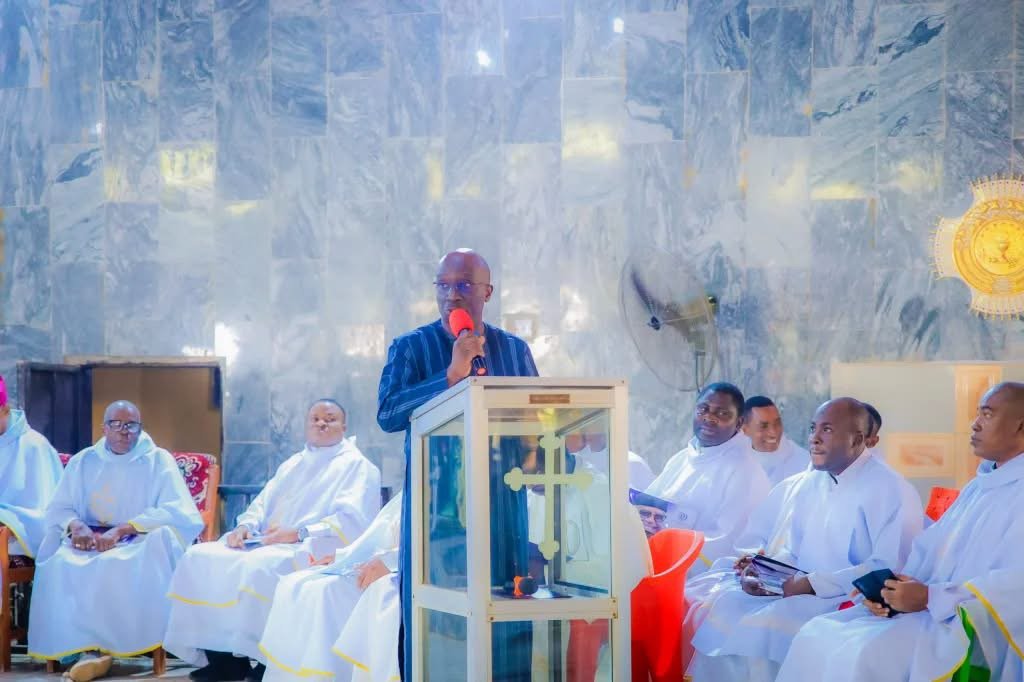
The Coalition of Civil Society Organisations Against Corruption (COCSOAC) and more than 33 partner organisations made their position known at a press conference in Abuja on Tuesday, October 13, 2026, cautioning political actors, journalists and other stakeholders against treating unverified allegations as established facts.
The coalition was responding to reports alleging questionable personnel changes within INEC, including the reported reassignment of a northern director and the placement of officials from the South-West in key departments.
However, the organisations said they had not independently verified the reported changes or the motives allegedly behind them. They maintained that the allegations required evidence-based examination and that the commission should be given an opportunity to explain its administrative decisions.
The position places two important principles at the centre of the debate over INEC’s preparations for the 2027 elections: the need for accountability and transparency within the electoral body, and the importance of avoiding premature conclusions that could damage public confidence without sufficient evidence.
Coalition Calls for Evidence-Based Scrutiny
In a statement signed by COCSOAC President, Bola Ademola, and its National Secretary, Comrade Abdulfatah Aliyu, the coalition argued that allegations of political interference or ethnic favouritism should not be accepted as facts without credible supporting evidence.
The organisations said staff redeployment was a recognised administrative practice that could serve legitimate purposes, including improving operational efficiency, supporting professional development and strengthening management.
They stressed that the reassignment of an official should not automatically be interpreted as evidence of an attempt to influence electoral outcomes.
According to the coalition, the more relevant questions concern whether the decisions complied with applicable rules, received the necessary authorisation and were based on legitimate administrative considerations.
This position does not establish that the reported redeployments occurred as alleged, nor does it settle the questions raised by critics. Instead, it highlights the need to examine the circumstances and documentation surrounding the personnel decisions before drawing conclusions about their purpose.
The coalition also urged media organisations and civil society groups to distinguish between verified developments and claims that remain unsubstantiated.
It maintained that responsible scrutiny was necessary to protect the credibility of the electoral process, particularly as political parties and other stakeholders intensify their preparations for the next general elections.
The organisations nevertheless acknowledged that INEC should remain accountable to Nigerians and that the commission should clarify the circumstances surrounding the reported redeployments where appropriate.
Their position, therefore, was not an argument against questioning the electoral body. Rather, they called for scrutiny based on evidence, due process and a fair opportunity for the institution concerned to respond.
Allegations of Ethnic Bias Put INEC Under Scrutiny
The controversy followed allegations concerning personnel postings and redeployments within INEC, with attention focused on the reported movement of officers from northern states out of sensitive departments and the placement of officials from Lagos and other South-West states in some positions.
The African Democratic Congress (ADC) had raised concerns about the reported changes, arguing that the alleged pattern warranted an explanation from the commission ahead of the 2027 elections.
In a report published on October 12, 2026, Ripples Nigeria said the party, through its National Publicity Secretary, Bolaji Abdullahi, alleged that officers serving in departments including Electoral Operations and Information and Communication Technology had been transferred and replaced by officials from the South-West.
The report also noted that the party did not provide the names of the affected officers or documentary evidence to substantiate the allegations in its statement.
The distinction is important. Allegations about personnel changes and their possible political implications are not proof that the electoral commission has acted improperly. At the same time, the absence of publicly presented evidence does not remove the public interest in obtaining a clear explanation where questions about the neutrality of an electoral institution arise.
For a commission responsible for organising elections, personnel decisions can attract heightened attention when they concern departments involved in electoral operations, information systems or other sensitive responsibilities.
However, assessing whether a redeployment is improper requires more than examining the geographical origin of the officials involved. Relevant considerations may include the applicable administrative rules, the responsibilities attached to each position, the reasons for the transfers and whether the decisions followed established procedures.
The coalition argued that an officer’s geographical origin or family associations could not, by themselves, establish bias or an intention to manipulate an election.
Its intervention calls for the debate to move from assumptions about identity towards verifiable information about the decisions themselves.
As of the reporting available for this article, an official INEC response specifically addressing the latest redeployment allegations had not been independently established. The commission’s explanation would be important in helping the public assess the claims and understand the administrative circumstances involved.
Why Transparency Matters Ahead of 2027
Public confidence is an essential part of election administration. Voters must be able to trust that the institution responsible for conducting elections operates according to the law and applies its procedures fairly.
That confidence is shaped not only by election-day activities but also by decisions taken during the months leading up to a poll. Recruitment, training, deployment of personnel, logistics, technology and the handling of complaints all contribute to public perceptions of the electoral process.
When questions arise about appointments or staff movements, a clear explanation can help distinguish routine administration from decisions that may require further scrutiny.
Transparency is particularly important when allegations concern departments with responsibilities connected to election management. If the reasons for a decision are not publicly understood, speculation may grow and become difficult to correct, even when the decision has a legitimate administrative basis.
Conversely, allegations that are not supported by evidence can unfairly undermine institutions and individuals. Public debate can become dominated by political interpretations rather than documented facts, making it harder for citizens to evaluate the issues objectively.
The challenge for INEC is therefore to protect its administrative independence while communicating enough information to demonstrate that relevant decisions follow the law and established procedures.
The challenge for political parties, civil society organisations and the media is to insist on accountability without presenting unverified claims as proven misconduct.
The coalition’s call for clarification reflects the need to balance these responsibilities. Its support for INEC should not be interpreted as a substitute for independent verification, just as criticism of the commission should not automatically be dismissed as politically motivated.
A credible assessment requires access to reliable information and a willingness to consider evidence that may support or contradict the claims being made.
INEC’s Role in Nigeria’s Electoral Process
INEC is the institution constitutionally responsible for organising, undertaking and supervising elections in Nigeria. Its responsibilities place the commission at the centre of the country’s democratic process.
The scale of election administration makes the commission’s internal organisation an important part of preparations. Its work involves coordinating personnel, managing electoral materials, maintaining voter information, organising polling operations and communicating with political parties, security agencies and other stakeholders.
For the 2027 general elections, the commission has already begun preparations involving recruitment and the organisation of election personnel.
INEC’s official portal for the engagement of election staff provides information for eligible Nigerians interested in serving as ad hoc personnel. The portal sets out eligibility requirements and available positions, including supervisory presiding officers and registration area centre managers.
The recruitment process is separate from the reported redeployment controversy, but it illustrates the range of administrative responsibilities the commission must manage as preparations advance.
The integrity of election administration depends on personnel being selected, assigned and supervised in accordance with applicable rules. It also depends on adequate training, clear responsibilities and effective procedures for addressing complaints.
Where sensitive personnel decisions are questioned, providing an explanation can help reassure stakeholders that administrative processes remain guided by institutional needs rather than partisan considerations.
However, public confidence cannot depend solely on statements of reassurance from the commission or supporting organisations. It must also be supported by verifiable procedures, consistent application of rules and appropriate accountability mechanisms.
That is why the latest controversy requires careful handling. The central question is not simply whether INEC has the authority to redeploy staff, but whether the particular decisions under discussion were properly made and whether the available evidence supports the concerns being raised.
Coalition Also Appeals for INEC Secretary’s Reappointment
Beyond the redeployment controversy, COCSOAC and its partner organisations appealed to President Bola Ahmed Tinubu to consider the reappointment of INEC Secretary, Dr Rose Oriaran Anthony, when her tenure expires, subject to applicable laws and the relevant appointment procedures.
The coalition congratulated Anthony on her turbaning and highlighted the importance of experience and administrative continuity in managing electoral preparations.
It argued that retaining an experienced administrator, where legally permissible and justified by competence, could help preserve institutional knowledge, improve coordination and support preparations for the 2027 elections.
The organisations said continuity in key administrative positions could contribute to the organisation of peaceful, credible and well-managed elections.
However, the coalition also acknowledged that any decision concerning the secretary’s tenure must comply with the law and respect INEC’s independence and the integrity of the electoral process.
Its appeal represents the coalition’s position on institutional continuity. It does not establish that a reappointment has been approved or that a formal decision has been made by the relevant authorities.
The distinction matters because public appointments must follow the applicable legal and administrative procedures. An advocacy group may recommend a candidate or support continuity, but the recommendation itself does not determine the outcome.
The request also comes amid broader public attention to the independence and administration of electoral institutions ahead of a major national election.
For citizens, the relevant consideration is whether the commission’s leadership and administrative arrangements support competent, impartial and transparent election management.
Accountability and Institutional Confidence Must Go Together
The competing concerns surrounding the reported redeployments point to a wider issue in Nigerian electoral governance: how public institutions can maintain confidence while remaining open to legitimate criticism.
Institutional independence does not mean freedom from scrutiny. An independent electoral commission must still operate within the law, explain relevant decisions where appropriate and remain accountable for the discharge of its responsibilities.
Equally, scrutiny should be fair and grounded in evidence. Allegations involving ethnic discrimination or political interference can have serious consequences for public trust and the reputations of those concerned. Such claims therefore require careful verification.
The coalition urged political actors, journalists and other stakeholders to exercise restraint and avoid drawing conclusions before the relevant facts are established.
For journalists, this means identifying who made an allegation, examining the evidence presented, seeking the response of the institution concerned and distinguishing claims from confirmed findings.
For political parties, it means presenting verifiable information when raising concerns about the administration of elections.
For INEC, it means recognising that clear communication can help address legitimate questions before speculation spreads further.
For civil society organisations, it means maintaining independent oversight while ensuring that public statements are based on evidence rather than assumptions.
These responsibilities are not mutually exclusive. A commission can be supported in carrying out its lawful duties while still being asked to explain decisions that have generated public concern.
Likewise, calls for transparency do not automatically establish wrongdoing. They create an opportunity for the relevant facts to be examined and for the institution concerned to respond.
What Happens Next?
The immediate issue is whether INEC will clarify the circumstances surrounding the reported personnel changes and provide information that can help stakeholders assess the allegations.
Any meaningful clarification would need to address the relevant administrative procedures and explain, to the extent permitted by applicable rules, the basis for the decisions in question.
The available reporting does not establish that the alleged redeployments were politically motivated, nor does it independently confirm all the personnel changes described by critics. Those questions should remain open until supported by reliable evidence.
The coalition’s intervention also places responsibility on media organisations and other stakeholders to avoid turning unverified allegations into established narratives about the commission.
As preparations for the 2027 general elections continue, the handling of this controversy may influence how Nigerians assess the transparency of electoral administration and the quality of public debate around the commission.
The coalition has expressed confidence in INEC while calling for clarification and due process. The next important development would be a clear account of the reported decisions, together with any credible evidence that supports or challenges the concerns raised.
Ultimately, the credibility of the electoral process will depend on more than expressions of confidence or public criticism. It will require lawful administration, transparent decision-making, credible evidence and a willingness by all stakeholders to place the integrity of elections above unsupported claims.
For Nigerians preparing to participate in the 2027 elections, the key issue is whether the electoral system can demonstrate fairness and accountability in practice. That requires both a commission prepared to explain important decisions and a public debate guided by facts rather than speculation.
Weng Global – stories beyond borders
Sources
- Nigerian Tribune — reporting on the coalition’s position and call for clarification, October 13, 2026.
- The Authority News — report on COCSOAC’s response to the redeployment allegations and its appeal concerning the INEC secretary.
- Ripples Nigeria — report on the African Democratic Congress’ concerns about alleged ethnic bias in INEC postings and redeployments, October 12, 2026.
- Independent National Electoral Commission — official portal for the engagement of election staff.
- Constitution of the Federal Republic of Nigeria — constitutional framework for INEC’s responsibilities.