Reported by Weng Patrick Atokor | Journalist at Weng Global
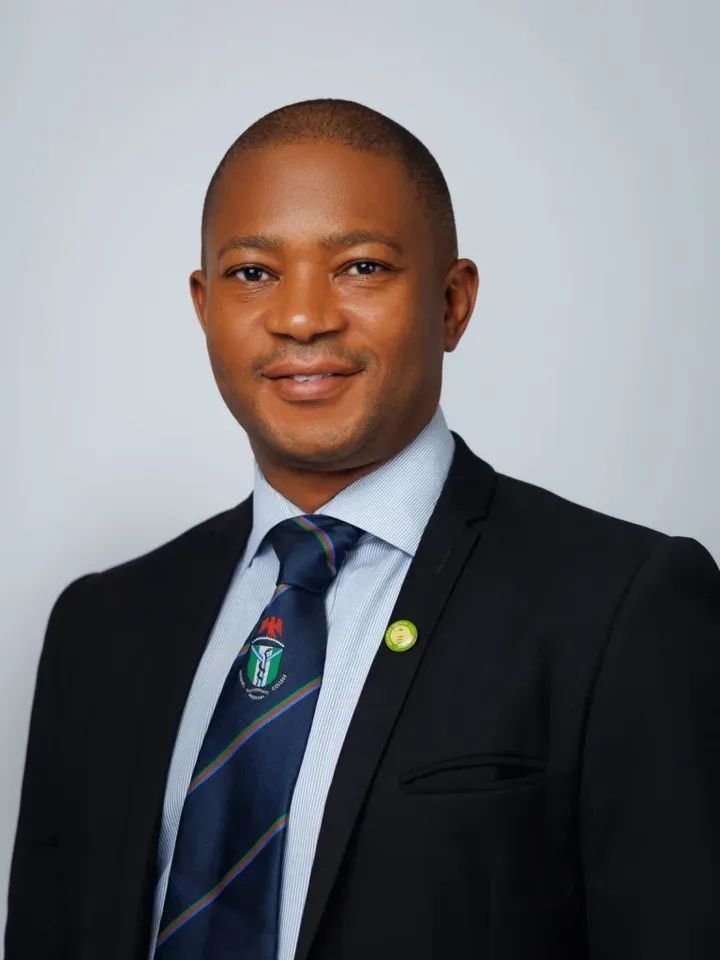
The newly elected Chairman of the Taraba State chapter of the Nigerian Medical Association (NMA), Dr. Bitrus-Atizwen Daniel, has pledged to place the welfare of medical doctors at the heart of his administration while working to strengthen collaboration with the Taraba State Government to improve healthcare delivery across the state.
Dr. Daniel made the commitment shortly after assuming office following the association’s state elections, promising to lead an administration anchored on transparency, inclusiveness, professionalism, and advocacy for better working conditions for doctors.
His emergence comes at a time when Nigeria’s healthcare sector continues to grapple with numerous challenges, including inadequate funding, shortage of healthcare personnel, poor remuneration, migration of medical professionals abroad, and limited access to quality healthcare in many rural communities.
Addressing members after his inauguration, the new chairman emphasized that protecting the interests of doctors would remain one of the association’s top priorities while also ensuring that the profession continues to contribute meaningfully to healthcare development in Taraba State.
Welfare Takes Centre Stage
Dr. Daniel noted that improving members’ welfare extends beyond salary-related issues, stressing that the association would pursue better working environments, career development opportunities, workplace safety, timely promotions, and improved relationships between healthcare workers and government institutions.
According to him, motivated healthcare professionals are essential for delivering quality medical services to residents of Taraba State.
He explained that the executive committee would maintain open communication with members to understand their concerns and develop practical solutions that reflect the realities faced by doctors working in public and private health institutions.
The chairman also promised to strengthen solidarity among members, encouraging unity and collective participation in the association’s activities.
Building Stronger Government Partnership
Recognising the critical role of government in healthcare administration, Dr. Daniel said his leadership would engage constructively with the Taraba State Government and relevant stakeholders to address longstanding issues affecting healthcare delivery.
He said dialogue rather than confrontation would guide the association’s relationship with government authorities while remaining firm in defending the legitimate rights and interests of medical practitioners.
According to him, sustainable healthcare reforms require collaboration between healthcare professionals, policymakers, development partners, and communities.
He expressed optimism that stronger engagement would lead to better policies, improved healthcare infrastructure, and increased investment in the health sector.
Addressing Healthcare Challenges
Like many states across Nigeria, Taraba faces challenges ranging from inadequate medical equipment and insufficient manpower to poor healthcare infrastructure, especially in rural areas.
Many hospitals continue to experience shortages of specialist doctors, modern diagnostic equipment, essential medicines, and functional facilities.
Health experts have repeatedly warned that these challenges contribute to preventable illnesses, delayed treatment, and increased pressure on available healthcare workers.
Dr. Daniel acknowledged these realities, saying the association would advocate for reforms aimed at strengthening the state’s healthcare system.
He added that doctors remain committed to supporting government initiatives that improve access to quality healthcare while ensuring professionals receive fair treatment.
Tackling Brain Drain
One of the major concerns facing Nigeria’s health sector is the increasing migration of doctors and other healthcare professionals to countries offering better salaries, improved working conditions, and greater career opportunities.
The trend, commonly referred to as the “Japa” phenomenon, has significantly reduced the number of experienced medical personnel available in many public hospitals.
Dr. Daniel said creating a supportive working environment for doctors would help improve job satisfaction and encourage more professionals to remain in the state.
He stressed that while migration cannot be completely prevented, governments can reduce its impact by implementing policies that value healthcare workers and invest consistently in the sector.
Healthcare analysts believe better remuneration, improved hospital facilities, opportunities for specialist training, and prompt payment of salaries are among the key measures needed to retain medical professionals.
Focus on Professional Development
Beyond welfare, the new chairman said continuous medical education would remain an important priority during his tenure.
He pledged support for training programmes, workshops, seminars, conferences, and research initiatives that enhance the knowledge and skills of medical practitioners.
According to him, advances in medical science require doctors to continually update their expertise to provide patients with high-quality healthcare services.
He added that the association would encourage collaboration with teaching hospitals, academic institutions, and professional organisations to expand learning opportunities.
Promoting Ethical Medical Practice
Dr. Daniel reaffirmed the association’s commitment to maintaining high ethical and professional standards within the medical profession.
He urged doctors to continue upholding integrity, compassion, accountability, and respect for patients while complying with established medical guidelines.
He noted that public confidence in healthcare institutions depends largely on professionalism and ethical conduct among healthcare providers.
The chairman encouraged members to support initiatives aimed at improving patient safety, quality assurance, and accountability across health facilities.
Collaboration with Stakeholders
The Taraba NMA leadership also plans to strengthen relationships with other healthcare professional bodies, civil society organisations, development agencies, and traditional institutions.
Such partnerships, according to Dr. Daniel, will help address public health challenges including maternal mortality, child health, infectious diseases, immunisation, nutrition, and emergency healthcare.
He said healthcare improvement requires contributions from every segment of society and not government alone.
The association also intends to participate actively in health awareness campaigns and community outreach programmes aimed at promoting preventive healthcare.
Expectations from Members
Dr. Daniel called on members to support the new executive committee through constructive engagement, unity, and active participation in association activities.
He assured doctors that their opinions and concerns would receive attention while decisions affecting the association would be guided by transparency and accountability.
He urged members to remain dedicated to patient care despite prevailing challenges, saying the medical profession continues to play a critical role in safeguarding lives and promoting national development.
Healthcare Remains National Priority
The emergence of a new leadership in the Taraba NMA comes amid ongoing national conversations about healthcare financing, workforce retention, primary healthcare revitalisation, and universal health coverage.
Medical associations across Nigeria have consistently advocated increased budgetary allocations to the health sector, improved welfare packages for healthcare workers, and accelerated implementation of reforms capable of strengthening healthcare delivery.
Industry observers say state chapters of professional bodies such as the NMA play an important role in bridging communication between healthcare workers and government while contributing to policy development.
For many residents of Taraba State, expectations remain high that closer cooperation between the association and government will translate into improved healthcare services, better-equipped hospitals, and enhanced working conditions for medical personnel.
As Dr. Bitrus-Atizwen Daniel begins his tenure, stakeholders will be watching closely to see how his administration delivers on its promises of improved welfare, stronger advocacy, and meaningful contributions toward building a more resilient healthcare system in Taraba State.
Sources: Nigerian Medical Association (Taraba State Chapter), News Agency of Nigeria (NAN), Federal Ministry of Health and Social Welfare.