Reported by Simon yusuph, | Journalist at wengglobal
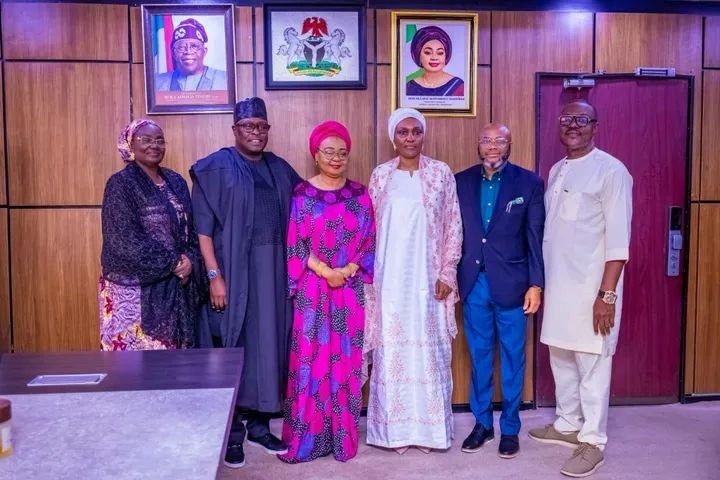
Nigeria’s ongoing electricity sector reforms took another significant step forward as the Nigerian Electricity Regulatory Commission (NERC) concluded a three-day capacity-building workshop for journalists in Uyo, Akwa Ibom State. The programme was designed to deepen media understanding of the country’s evolving electricity market, regulatory framework, consumer rights, and the implications of the decentralisation of the power sector.
The training brought together journalists from different parts of the country, equipping them with the knowledge and tools required to report accurately, responsibly, and objectively on one of Nigeria’s most critical sectors. As electricity remains central to economic growth, industrial development, and improved living standards, experts say informed journalism is essential to helping Nigerians understand ongoing reforms and their expected impact.
The workshop forms part of NERC’s broader commitment to improving public awareness and strengthening communication between regulators, electricity consumers, distribution companies, state governments, and other stakeholders. By investing in media capacity, the Commission aims to promote factual reporting capable of reducing misinformation surrounding electricity tariffs, market operations, consumer protection, and regulatory decisions.
Throughout the three-day programme, participants received detailed presentations on the structure of Nigeria’s Electricity Act, the transition towards a decentralised electricity market, regulatory responsibilities at both federal and state levels, licensing processes, tariff methodologies, customer service obligations, dispute resolution mechanisms, and consumer rights.
Officials explained that Nigeria’s electricity landscape has entered a new phase following the enactment of the Electricity Act, which allows states to establish and regulate their own electricity markets once they meet constitutional and regulatory requirements. The reform is expected to encourage investment, improve competition, increase electricity access, and strengthen accountability within the power sector.
According to NERC officials, decentralisation does not eliminate the role of the national regulator but instead creates opportunities for closer collaboration between federal and state institutions. States choosing to operate independent electricity markets are expected to establish regulatory agencies capable of overseeing generation, transmission, distribution, and consumer protection within their jurisdictions.
The Commission emphasised that accurate media reporting will become increasingly important as more states begin implementing electricity market reforms. Journalists were encouraged to verify technical information carefully and explain complex policy developments in language that ordinary Nigerians can easily understand.
A major focus of the workshop was consumer protection. NERC highlighted existing regulations that protect electricity customers from estimated billing abuses, poor service delivery, wrongful disconnections, and other unfair practices. Participants also examined the procedures consumers should follow when lodging complaints against electricity distribution companies and the regulatory mechanisms available for resolving disputes.
The Commission noted that public confidence in the electricity sector depends not only on improved infrastructure but also on transparency, accountability, and access to accurate information. Journalists were therefore encouraged to report both achievements and challenges objectively while providing balanced context for policy decisions affecting consumers and investors.
Discussions also explored Nigeria’s electricity market structure, including the roles played by generation companies, transmission operators, distribution companies, market operators, regulators, and independent power producers. Participants examined how electricity flows through the national grid and the financial relationships that sustain the market.
Industry experts explained that reforms are intended to attract greater private-sector participation, improve operational efficiency, reduce technical and commercial losses, and expand electricity supply to households and businesses. However, they acknowledged that achieving these objectives requires sustained investment, effective regulation, and public understanding of ongoing policy changes.
The workshop further addressed tariff regulation, one of the most debated issues in Nigeria’s power sector. Facilitators explained the principles behind cost-reflective tariffs, the need to balance investor confidence with consumer affordability, and the regulatory safeguards designed to protect vulnerable electricity users.
Journalists were reminded that reporting on tariff adjustments requires careful analysis of official regulatory documents, economic realities, and government policy rather than speculation or misinformation capable of causing unnecessary public anxiety.
Another important area covered was renewable energy development and rural electrification. NERC officials highlighted opportunities for off-grid and mini-grid electricity projects, particularly in underserved rural communities where extending the national grid may not be economically viable.
The Commission said expanding renewable energy solutions would complement conventional electricity infrastructure while supporting Nigeria’s broader energy transition goals, reducing energy poverty, and improving access to reliable power across the country.
Experts also discussed investment opportunities created by the ongoing reforms, noting that a clearer regulatory environment could encourage domestic and foreign investors to finance new generation projects, transmission infrastructure, renewable energy initiatives, and distribution network improvements.
Participants engaged in interactive sessions where they examined case studies, analysed regulatory decisions, and discussed best practices for reporting on technical subjects without sacrificing accuracy or public accessibility. The sessions encouraged journalists to ask critical questions, verify facts through official sources, and maintain editorial independence while covering developments within the electricity sector.
Speaking during the workshop, NERC representatives reiterated that the media remains an indispensable partner in promoting transparency, accountability, and public education. They stressed that informed reporting can help bridge the knowledge gap between regulators and electricity consumers while encouraging constructive public engagement with ongoing reforms.
The Commission expressed optimism that journalists who participated in the training would contribute to more evidence-based reporting capable of enhancing public confidence in Nigeria’s electricity reform agenda.
Energy analysts have consistently argued that public understanding is essential to the success of power sector reforms. Misinformation surrounding electricity tariffs, service delivery obligations, and regulatory policies often fuels public dissatisfaction and weakens trust in institutions. Training initiatives such as the Uyo workshop seek to address these challenges by improving journalists’ technical knowledge and strengthening professional reporting standards.
For Nigeria, where electricity shortages continue to constrain economic productivity and industrial competitiveness, sustained reforms remain central to national development objectives. The decentralisation of electricity regulation offers states greater flexibility to develop local energy markets, encourage innovation, and address region-specific energy challenges.
Nevertheless, experts caution that reforms alone will not solve longstanding issues unless accompanied by improved infrastructure, adequate financing, stronger governance, and consistent policy implementation.
The conclusion of the Uyo workshop therefore represents more than a routine training exercise. It reflects growing recognition that informed journalism plays a strategic role in shaping public understanding of complex reforms that affect millions of Nigerians. By equipping reporters with deeper regulatory knowledge, NERC aims to foster accurate reporting capable of supporting transparency, protecting consumers, and encouraging informed public discourse.
As Nigeria continues implementing far-reaching electricity sector reforms, collaboration between regulators, policymakers, industry stakeholders, civil society, and the media is expected to remain essential in building a more efficient, reliable, and sustainable power sector capable of supporting the country’s long-term economic aspirations.
Sources:
- Nigerian Electricity Regulatory Commission (NERC)
- News Agency of Nigeria (NAN)
- Premium Times
- The Punch
- Vanguard Nigeria