Reported by Weng Patrick Atokor | Journalist at Weng Global
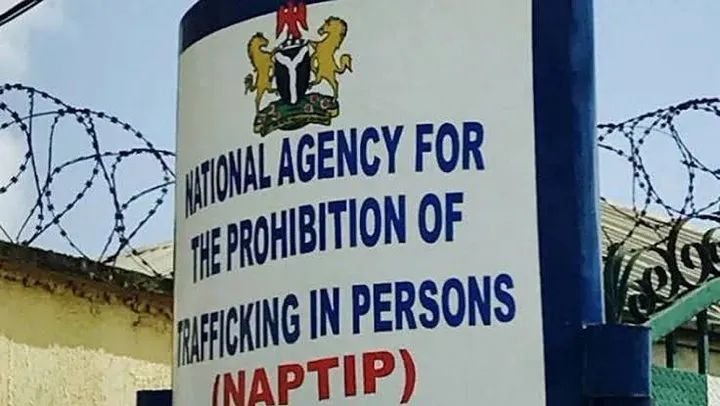
The National Agency for the Prohibition of Trafficking in Persons (NAPTIP) has arrested no fewer than 120 suspected human traffickers and rescued more than 300 victims in Ondo State over the past three years, highlighting intensified efforts to dismantle human trafficking networks operating across the state.
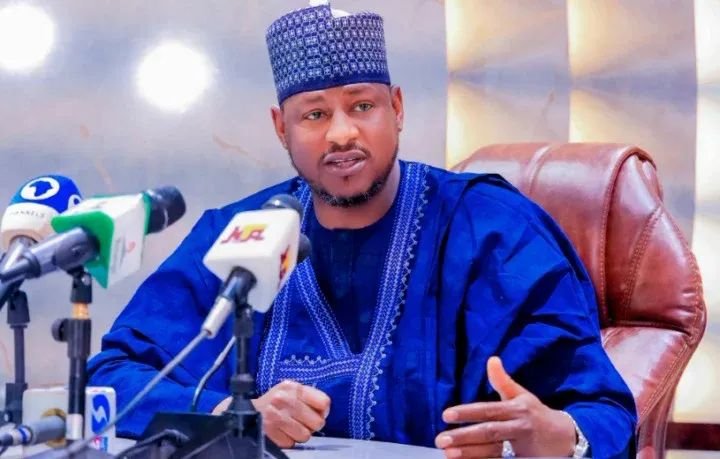
The disclosure was made by the Ondo State Commander of NAPTIP during an engagement with stakeholders, where the agency reviewed its achievements in the fight against human trafficking while calling for stronger collaboration among government institutions, traditional rulers, security agencies, civil society organizations, and community leaders.
According to the agency, the arrests and rescues reflect its commitment to protecting vulnerable Nigerians, particularly women and children, who remain the primary targets of trafficking syndicates promising fake employment, education opportunities, and better living conditions.
Human trafficking remains a major concern
Human trafficking continues to pose one of Nigeria’s most pressing human rights and security challenges. Criminal networks exploit victims through forced labour, sexual exploitation, domestic servitude, child labour, forced begging, illegal adoption, and other forms of abuse.
Ondo State, like several states in southern Nigeria, has experienced cases involving traffickers who recruit victims through deception before transporting them to other parts of the country or across international borders.
NAPTIP said its sustained enforcement operations have disrupted several trafficking rings, leading to the arrest of suspects and the rescue of victims before they could be exploited.
The agency noted that rescued victims receive rehabilitation, psychosocial support, counselling, medical attention, vocational training where necessary, and assistance aimed at reintegrating them into society.
Three-year enforcement record
Providing an overview of the command’s activities over the last three years, officials revealed that:
- 120 suspected traffickers have been arrested.
- More than 300 victims have been rescued.
- Several investigations have been concluded.
- Multiple cases have been prosecuted in court.
- Victims have received rehabilitation and reintegration support.
NAPTIP described the figures as evidence of improved intelligence gathering and stronger cooperation with law enforcement agencies.
Officials stressed that many trafficking operations are uncovered through community intelligence and public reports, making citizens essential partners in the fight against the crime.
Traffickers exploit economic hardship
The agency warned that traffickers continue to exploit unemployment, poverty, lack of education, and desperation among young people.
Many victims are allegedly lured with promises of lucrative jobs abroad, scholarships, modelling contracts, domestic work, or business opportunities that eventually lead to exploitation.
According to NAPTIP, traffickers often target vulnerable families in rural communities where awareness about human trafficking remains low.
The agency urged parents and guardians to verify any employment or travel opportunities presented to their children and avoid handing them over to unknown recruiters.
Community awareness remains critical
Officials emphasized that law enforcement alone cannot eliminate human trafficking without active public participation.
NAPTIP called on residents to promptly report suspicious movements, unusual recruitment activities, child labour, forced marriages involving minors, and cases where individuals appear to be held against their will.
The agency also encouraged schools, religious institutions, transport operators, market associations, and youth groups to educate members on the dangers and warning signs of trafficking.
According to the command, increased awareness has contributed significantly to recent arrests, as community members now report suspicious activities more frequently.
Victim protection remains a priority
NAPTIP reiterated that rescued victims should never be stigmatized, noting that many were deceived, manipulated, or coerced by criminal syndicates.
The agency explained that victims require emotional healing, legal support, education, and economic empowerment to rebuild their lives and avoid being re-trafficked.
Officials added that rehabilitation programmes remain an essential part of Nigeria’s anti-trafficking strategy.
Stronger partnerships urged
The Ondo Command appealed for deeper collaboration with security agencies, immigration authorities, the police, judiciary, local governments, and non-governmental organizations.
The agency said human trafficking has become increasingly sophisticated, requiring coordinated intelligence sharing and joint operations to dismantle criminal networks.
NAPTIP also acknowledged the contributions of international development partners and civil society organizations supporting awareness campaigns, victim rehabilitation, and capacity-building initiatives.
Nigeria’s anti-trafficking efforts
Nigeria has continued to strengthen measures against trafficking through legislation, prosecutions, public enlightenment campaigns, and cross-border cooperation.
NAPTIP remains the country’s lead agency responsible for preventing human trafficking, investigating offenders, prosecuting suspects, protecting victims, and coordinating national anti-trafficking policies.
Despite these efforts, experts warn that economic challenges, insecurity, irregular migration, and unemployment continue to create conditions that traffickers exploit.
They argue that sustained investment in education, job creation, community awareness, and victim support programmes will remain essential to reducing trafficking across the country.
Looking ahead
The Ondo State Command said it would continue intelligence-driven operations against trafficking syndicates while expanding public sensitization campaigns across communities.
Officials urged Nigerians to remain vigilant and report suspected trafficking activities, stressing that collective action remains the most effective way to protect vulnerable citizens and bring perpetrators to justice.
The agency reaffirmed its commitment to ensuring that traffickers face the full weight of the law while survivors receive the support needed to rebuild their lives.
Sources
- News Agency of Nigeria (NAN)
- National Agency for the Prohibition of Trafficking in Persons (NAPTIP)