Reported by Simon Daniel Yusuph l Journalist at Weng Global
The Kano State authorities have restricted Durbar activities and horse-riding processions across the state amid security concerns surrounding planned Eid-el-Kabir celebrations.
The restriction followed directives from the Kano State Police Command after security authorities raised concerns about the possibility of rival Durbar processions escalating tensions in Kano metropolis.
The development came as two rival claimants to the Kano Emirate, Muhammadu Sanusi II and Aminu Ado Bayero, had separately planned traditional Sallah processions.
Police Raise Security Concerns
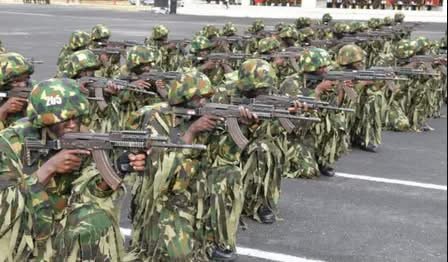
The Kano State Police Command moved to halt the planned processions as part of measures to prevent a possible breakdown of law and order.
Reports on the directive said security agencies had received intelligence suggesting that the Durbar activities could be exploited by individuals seeking to create unrest.
The two emirate camps subsequently suspended their planned Eid-el-Kabir Durbar activities.
The development was reported on May 28, 2026, ahead of the Eid-el-Kabir celebrations. The Guardian reported that both Sanusi II and Bayero complied with the police directive to suspend their respective processions, including Hawan Daushe and Hawan Nassarawa.
Rival Durbar Plans Fuel Security Concerns
The security restrictions came against the backdrop of the continuing dispute over the Kano Emirate throne.
Both Sanusi II and Bayero had announced separate plans for traditional Durbar activities during the Sallah celebrations.
The prospect of two competing horse-riding processions in the same city raised concerns among security authorities because of the possibility of rival supporters converging around the celebrations.
The Federal Ministry of Information and National Orientation later reported that the planned Hawan Daushe procession was halted amid concerns that parallel Durbar activities could trigger unrest and endanger lives and property.
The police intervention therefore focused not only on the cultural celebrations but also on preventing the event from becoming a point of confrontation between supporters of the two emirate camps.
Sanusi and Bayero Suspend Planned Processions
Representatives of both emirates announced that their planned processions would be suspended.
Speaking on behalf of Sanusi II, Matawallen Kano Aliyu Ibrahim said the decision was intended to preserve peace and prevent a breakdown of law and order.
A representative of Bayero’s camp, Sarkin Dawaki Babba Aminu Babba Dan’agundi, similarly said the emirate would comply with the directives of the security agencies.
The Guardian reported that both camps described themselves as committed to maintaining peace and stability in Kano.
The suspension meant that the traditional horse-riding spectacles associated with the Eid-el-Kabir celebrations could not proceed as originally planned.
Kano Durbar and Its Cultural Importance
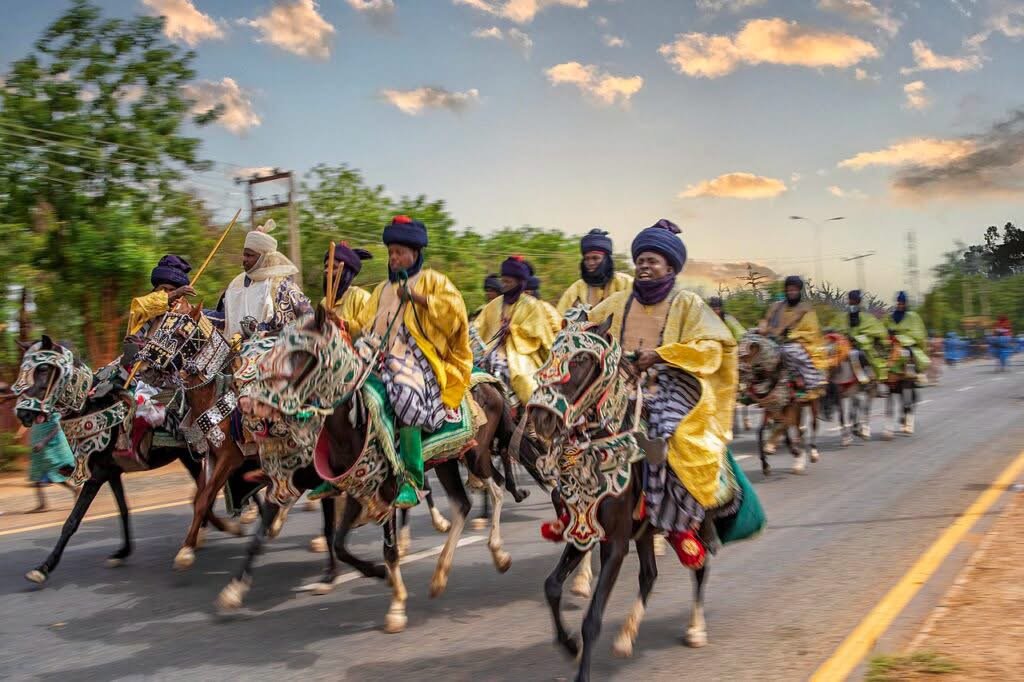
The Kano Durbar is one of northern Nigeria’s most prominent traditional festivals.
The celebrations typically feature elaborately dressed horsemen accompanying traditional rulers through designated routes, with residents gathering to watch the procession.
The festival has historical links to the Kano Emirate and remains an important cultural expression involving traditional institutions, communities and visitors.
The cultural importance of the Durbar has also received international recognition. UNESCO inscribed the Kano Durbar on its Representative List of the Intangible Cultural Heritage of Humanity in 2024, recognising its cultural significance and traditional equestrian practices.
The suspension of the festivities therefore has implications beyond the immediate security situation because the Durbar is also associated with Kano’s cultural identity and tourism.
Security Takes Priority Over Festival
Security agencies have repeatedly faced the challenge of balancing the continuation of traditional celebrations with public-safety concerns in Kano.
The Nigeria Police Force has previously intervened when rival emirate factions announced competing Durbar activities.
In 2025, the police said credible intelligence indicated that separate Durbar celebrations planned by the disputed emirate factions could create an opportunity for violence. The Force said an agreement was reached that no Durbar would be held and that the disputed emirs would not ride horses during the Sallah celebration.
The 2026 restrictions similarly reflected concerns about the potential consequences of competing processions.
The police’s position was that preventing the gatherings was necessary to protect lives, property and public order.
Kano Emirate Dispute Remains a Major Factor
The security concerns cannot be separated from Kano’s prolonged emirate dispute.
The dispute intensified after the Kano State Government repealed the law that had created additional emirates and reinstated Sanusi II as Emir of Kano.
Bayero, who had been appointed to the Kano throne following Sanusi’s removal in 2020, has continued to contest developments surrounding the emirate.
The competing claims have created a complicated traditional and legal situation in which supporters of the two camps remain active.
Against that background, traditional ceremonies involving large public gatherings and competing royal processions carry additional security considerations.
Authorities Urge Residents to Maintain Peace
Security agencies have urged residents to remain calm and comply with official directives during Sallah celebrations.
The police have also encouraged members of the public to report suspicious activities and cooperate with security personnel.
The Federal Ministry of Information said residents had welcomed the suspension of the planned Durbar activities as a measure intended to prevent possible violence and a breakdown of law and order.
The emphasis on public safety reflects the authorities’ concern that the traditional celebrations should not become a trigger for confrontation.
Why the Restriction Matters
The restrictions highlight the continuing intersection between Kano’s traditional institutions, public security and the unresolved emirate dispute.
For residents, the measures affect a major cultural celebration that traditionally brings large crowds onto the streets.
For the authorities, however, the competing plans created a security challenge requiring preventive action.
The development also demonstrates how disputes involving traditional institutions can have consequences for public events, particularly where large gatherings involve rival political or social constituencies.
At the same time, the restrictions underscore the importance of protecting Kano’s cultural traditions while ensuring that public celebrations take place in circumstances that do not threaten lives or public order.
What Happens Next
The immediate focus for security authorities is maintaining calm and preventing unauthorised processions or activities that could undermine public safety.
The longer-term issue remains the resolution of the Kano Emirate dispute through the appropriate legal and institutional processes.
Until the dispute is settled, traditional events involving both rival camps may continue to require careful coordination between the emirates, the state government and security agencies.
For Kano residents and cultural stakeholders, the key question will be how future Durbar celebrations can be conducted while preserving the state’s cultural heritage and addressing the security concerns associated with competing claims to the emirate.
Weng Global – stories beyond borders
Sources
- Nigeria Police Force
- Federal Ministry of Information and National Orientation
- Kano State Government
- The Guardian Nigeria
- Daily Tribune