Reported by Simon yusuph, | Journalist at wengglobal
The Nigeria Customs Service (NCS) has announced that the Kano/Jigawa Area Command generated ₦63.07 billion in revenue during the first six months of 2026, marking a significant increase over the amount collected during the corresponding period in 2025.
The impressive revenue performance underscores the Federal Government’s ongoing efforts to strengthen non-oil revenue generation, improve customs administration, and enhance trade facilitation across Nigeria’s borders. It also reflects the Nigeria Customs Service’s continued drive to modernize revenue collection systems while tightening compliance against smuggling and other forms of economic sabotage.
The announcement was made by the Controller of the Kano/Jigawa Area Command during a review of the Command’s half-year performance, where he highlighted the Command’s achievements in revenue generation, anti-smuggling operations, and stakeholder engagement.
Revenue Collection Records Strong Growth
According to the Controller, the Command realized ₦63.07 billion between January and June 2026, surpassing the revenue generated during the same period last year.
The Customs chief attributed the improved performance to stronger compliance by importers and exporters, enhanced intelligence gathering, improved deployment of technology, and reforms introduced by the Nigeria Customs Service to simplify trade procedures while ensuring strict enforcement of customs regulations.
He noted that officers and personnel of the Command remained committed to blocking revenue leakages, improving operational efficiency, and supporting the Federal Government’s fiscal objectives.
Revenue generated by Customs remains one of Nigeria’s major sources of non-oil income, providing crucial funding for government programmes, infrastructure development, public services, and national economic growth.
Customs Reforms Boost Performance
The Kano/Jigawa Area Command’s performance aligns with broader reforms implemented by the Nigeria Customs Service under the leadership of the Comptroller-General of Customs.
Over the past few years, the Service has intensified efforts to digitize customs processes, improve cargo clearance procedures, strengthen risk management systems, and deepen collaboration with other government agencies involved in trade regulation.
Industry experts believe these reforms have significantly reduced opportunities for revenue losses while making legitimate trade more efficient.
The introduction of digital platforms, automated payment systems, intelligence-led enforcement, and enhanced monitoring of import and export activities has contributed to rising customs revenue across several area commands nationwide.
Officials say these reforms also improve transparency and accountability in customs operations while reducing opportunities for corruption.
Kano Remains Strategic Trade Hub
Kano continues to occupy a strategic position in Nigeria’s commercial landscape, serving as one of the country’s largest trading centres and an important gateway for commerce across Northern Nigeria and neighbouring West African countries.
Its extensive markets, manufacturing activities, agricultural trade, and proximity to regional trade routes make the Kano/Jigawa Area Command one of the busiest customs formations in the country.
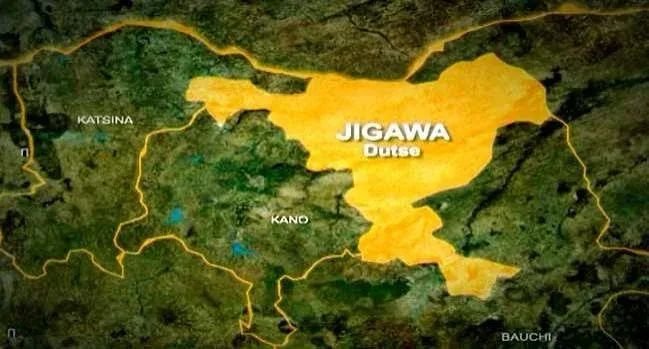
The Command supervises imports, exports, excise operations, and trade compliance across both Kano and Jigawa states, helping facilitate legitimate business activities while preventing illicit trade.
Analysts note that stronger customs performance in Kano contributes significantly to Nigeria’s broader economic diversification agenda by supporting formal trade and increasing government revenue outside the petroleum sector.
Anti-Smuggling Operations Continue
Beyond revenue generation, the Controller reaffirmed the Command’s commitment to combating smuggling and enforcing Nigeria’s import and export regulations.
Smuggling remains a major threat to Nigeria’s economy because it deprives the government of revenue, undermines local industries, encourages unfair competition, and poses security risks through the illegal movement of prohibited goods.
The Nigeria Customs Service has continued to intensify surveillance, intelligence sharing, and inter-agency cooperation aimed at intercepting contraband while ensuring legitimate businesses are not disrupted.
Officials have repeatedly stressed that enforcement activities are designed not only to protect government revenue but also to safeguard public health, national security, and domestic industries.
The Command urged traders and importers to comply fully with customs laws, accurately declare goods, and utilize approved trade channels to avoid sanctions.
Stakeholder Engagement Encouraged
The Controller emphasized that sustained collaboration between Customs and the business community remains essential to improving compliance and enhancing trade efficiency.
He encouraged importers, exporters, freight forwarders, clearing agents, and other stakeholders to maintain transparent business practices and cooperate with Customs officials.
According to him, continuous dialogue between Customs and private sector operators has helped resolve operational challenges, improve understanding of customs procedures, and encourage voluntary compliance.
Business associations have also welcomed efforts aimed at reducing delays in cargo clearance while strengthening accountability across the customs value chain.
Supporting Nigeria’s Economic Diversification
Nigeria has increasingly prioritized the expansion of non-oil revenue sources amid fluctuations in global crude oil prices and the country’s broader economic diversification agenda.
Customs revenue has become an increasingly important component of government finances, complementing tax collections and other internally generated revenues.
Economic experts argue that efficient customs administration strengthens fiscal sustainability by improving revenue mobilization without placing excessive tax burdens on citizens.
The Kano/Jigawa Area Command’s strong first-half performance demonstrates the growing contribution of customs operations to Nigeria’s economic resilience and public finance.
As regional trade under the African Continental Free Trade Area (AfCFTA) continues to evolve, Customs authorities are expected to play an even more significant role in balancing trade facilitation with revenue protection and border security.
Looking Ahead
With the first half of 2026 delivering robust revenue growth, attention will now shift to whether the Kano/Jigawa Area Command can sustain its momentum during the remainder of the year.
The Nigeria Customs Service has consistently expressed confidence that ongoing reforms, technological innovation, stronger stakeholder engagement, and intelligence-driven operations will further enhance revenue performance while supporting legitimate trade.
If current trends continue, customs authorities believe revenue generation from strategic commercial hubs such as Kano and Jigawa will make an even greater contribution to Nigeria’s national development objectives.
The latest figures reinforce the importance of efficient customs administration in strengthening public finances, promoting lawful trade, and advancing the Federal Government’s long-term economic transformation agenda.
Sources
- Nigeria Customs Service (NCS)
- News Agency of Nigeria (NAN)
- The Punch
- Premium Times
- Daily Trust
- Leadership Newspaper