Reported by Simon yusuph,| Journalist at wengglobal
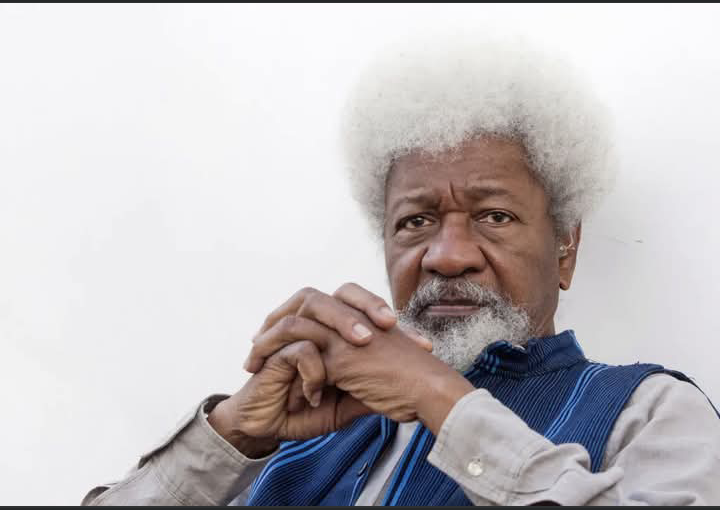
Chief Reuben Fasoranti, the leader of the pan-Yoruba socio-cultural organisation Afenifere, has celebrated renowned Nigerian playwright, poet, and Nobel Prize winner Wole Soyinka on the occasion of his 92nd birthday, describing him as an exceptional personality whose contributions have brought honour and global recognition to Nigeria.
Fasoranti, in a congratulatory message marking Soyinka’s milestone birthday, praised the literary icon as a “rare breed” and a symbol of intellectual excellence, courage, and commitment to justice. He noted that Soyinka’s decades-long contributions to literature, human rights advocacy, and national discourse have established him as one of Africa’s most influential voices on the global stage.
The Afenifere leader’s tribute reflects the enduring national appreciation for Soyinka’s remarkable journey, spanning more than seven decades of creative excellence and public engagement. Since becoming the first African recipient of the Nobel Prize in Literature in 1986, Soyinka has remained a prominent figure in global literature and a strong advocate for democratic values, accountability, and social justice.
A Legacy Built on Literature, Courage and Public Service
Fasoranti highlighted Soyinka’s achievements as evidence of the extraordinary impact one individual can have through intellectual courage and dedication to society. According to him, the Nobel Laureate’s life represents a combination of artistic brilliance and unwavering commitment to speaking truth to power.
Born on July 13, 1934, in Abeokuta, Ogun State, Nigeria, Soyinka developed a reputation as one of the most influential writers to emerge from Africa. His literary works, including plays, novels, and essays, have explored themes such as political oppression, cultural identity, corruption, and the struggle for human dignity.
Beyond his literary accomplishments, Soyinka has consistently participated in Nigeria’s social and political conversations. Over the years, he has criticised military rule, defended civil liberties, and advocated for democratic governance, earning admiration from supporters who view him as a courageous defender of justice.
Fasoranti’s tribute emphasised that Soyinka’s influence extends beyond Nigeria, describing him as a global ambassador whose intellectual contributions have strengthened Africa’s presence in international cultural and academic spaces.
A National Figure Recognised Across Generations
The celebration of Soyinka’s 92nd birthday comes as Nigerians from different sectors continue to acknowledge his contributions to the country’s cultural and intellectual development.
Political leaders, academics, writers, civil society organisations, and cultural institutions have frequently recognised Soyinka’s role in shaping Nigeria’s literary identity and promoting African narratives internationally.
His Nobel Prize win in 1986 represented a historic moment for Africa, making him the first African writer to receive the prestigious award in literature. The achievement placed Nigerian literature firmly on the global map and inspired generations of writers across the continent.
International media organisations have also consistently highlighted Soyinka’s influence. Reports by major outlets such as BBC, Reuters, and Al Jazeera have documented his literary achievements, political activism, and enduring role in African public life.
Fasoranti’s Message and the Importance of Soyinka’s Example
In his birthday message, Fasoranti praised Soyinka’s discipline, intellectual depth, and lifelong dedication to causes beyond personal success. He described the Nobel Laureate as an example of excellence whose achievements should inspire younger generations of Nigerians and Africans.
The Afenifere leader stressed that Soyinka’s life demonstrates the importance of courage, creativity, and service to humanity. He noted that the writer’s ability to combine artistic expression with social responsibility remains a defining feature of his legacy.
For many observers, Soyinka’s career represents the intersection between culture and civic responsibility. His writings have often reflected the realities of African societies, while his public interventions have focused on promoting fairness, accountability, and human rights.
Soyinka’s Continued Influence in African Literature
At 92, Soyinka remains one of Africa’s most respected intellectual figures. His body of work continues to be studied in universities around the world, with scholars examining his contributions to drama, literature, political thought, and cultural criticism.
Some of his most recognised works include Death and the King’s Horseman, The Lion and the Jewel, A Dance of the Forests, and The Man Died, among others. These works have contributed significantly to African literature by presenting complex reflections on tradition, colonial history, leadership, and social transformation.
His writings have also helped introduce global audiences to African philosophies, traditions, and historical experiences, reinforcing the importance of African voices in international literary conversations.
A Celebration Beyond Age
While Soyinka’s 92nd birthday marks a personal milestone, the occasion has also become an opportunity to reflect on the broader impact of his work. For many Nigerians and Africans, his journey represents a story of resilience, intellectual independence, and commitment to principles.
Fasoranti’s message underscores the importance of recognising national figures whose contributions extend beyond their immediate fields. Soyinka’s influence has crossed boundaries, connecting literature, politics, education, and cultural diplomacy.
The celebration also highlights the continued relevance of Nigeria’s cultural heritage and the role of influential personalities in shaping the country’s global image.
Afenifere and Soyinka’s Shared Commitment to Social Values
The tribute from Afenifere is also significant because of the organisation’s longstanding engagement in issues concerning governance, identity, social justice, and regional development.
Like Soyinka, Afenifere has historically advocated for principles such as accountability, democratic participation, and responsible leadership. Fasoranti’s recognition of the Nobel Laureate reflects shared values around protecting societal progress and encouraging ethical public discourse.
As Nigeria continues to navigate political, economic, and social challenges, figures like Soyinka remain important voices in conversations about national development and the future of democracy.
Conclusion
Chief Reuben Fasoranti’s celebration of Wole Soyinka’s 92nd birthday is a recognition of a lifetime dedicated to literature, activism, and the advancement of human values. By describing Soyinka as a rare breed and a source of pride for Nigeria, the Afenifere leader joined millions of admirers around the world in honouring one of Africa’s most distinguished intellectuals.
Soyinka’s legacy remains deeply connected to Nigeria’s cultural identity and Africa’s global representation. His journey from Abeokuta to becoming a Nobel Laureate demonstrates the power of ideas, creativity, and courage in shaping society.
As Nigeria celebrates one of its most celebrated sons, the message remains clear: Wole Soyinka’s influence is not measured only by awards and recognition, but by the generations of people inspired by his words, principles, and lifelong commitment to justice.
Sources
- BBC — Reports and profiles on Wole Soyinka’s literary legacy and public advocacy.
- Reuters — Coverage of Wole Soyinka’s international recognition and contributions.
- Al Jazeera — Features on Soyinka’s activism and influence in Africa.
- Nigerian media reports on Chief Reuben Fasoranti’s birthday tribute to Wole Soyinka.