Reported by Weng Patrick Atokor | Journalist at Weng Global
Nigerian youths have been encouraged to take advantage of technology and digital innovation to build sustainable careers in the country’s rapidly expanding creative economy.
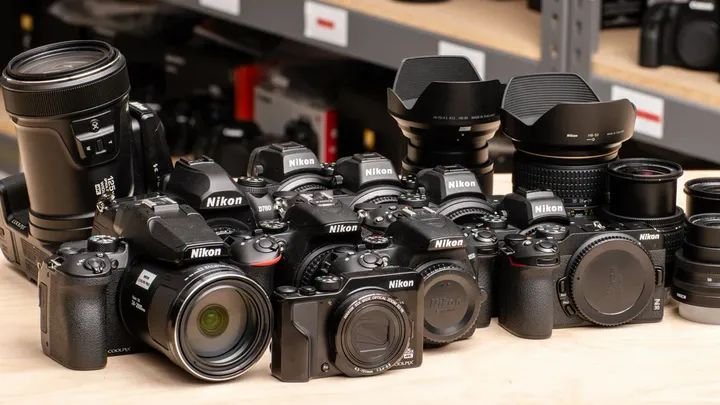
The call was made at a Nikon photography and video summit, where industry experts highlighted the growing opportunities available to young people willing to combine creativity with technical skills.
The experts said the changing nature of the creative industry means young professionals can no longer rely solely on traditional approaches to photography, filmmaking and content production.
Instead, they urged youths to develop the technical knowledge, business skills and creative discipline required to compete in an increasingly digital and global marketplace.
Technology transforming creative careers
Photography and videography have undergone significant changes as advances in cameras, smartphones, editing software, artificial intelligence and social media continue to reshape how visual content is produced and consumed.
For young Nigerians, the transformation is creating opportunities beyond conventional studio photography.
A creative professional can now work across advertising, social media management, film production, fashion, journalism, documentary production, wedding photography, corporate communications, digital marketing and content creation.
Nikon’s own creator programmes reflect the broader shift, with the company describing its creators as independent image-makers who use modern technology to tell stories in new ways.
The development suggests that young people entering the creative sector need to view technology not simply as equipment but as an important part of their professional toolkit.
From photography to video and content creation
One of the major opportunities highlighted by the evolution of imaging technology is the movement from still photography into video production.
Industry professionals have previously noted that modern cameras can perform multiple functions, allowing photographers to explore filmmaking, cinematography and other forms of visual storytelling.
At a previous Nikon Nigeria summit, veteran photographer Kelechi Amadi-Obi explained how technological developments encouraged him to move from photography into video. The event was designed to expose participants to new techniques and help established and emerging creatives improve their skills.
This transition is particularly important for young Nigerians because demand for visual content has expanded dramatically.
Businesses need photographs and videos for advertising. Musicians require promotional content. Influencers need regular visual material for their audiences. Media organisations require photographs, interviews and video reports, while filmmakers depend on skilled crews.
As a result, a young person who understands photography but also learns videography, editing, lighting and storytelling can potentially access a wider range of opportunities.
Skills must go beyond owning a camera
Experts have also warned that owning professional equipment alone does not guarantee success.
A sustainable creative career requires continuous learning.
Young photographers and videographers need to understand composition, lighting, camera settings, editing, storytelling and client management. They also need to develop portfolios that demonstrate their abilities.
Business knowledge is equally important.
Creative professionals must learn how to price their services, negotiate contracts, market themselves, communicate with clients and manage their finances.
Previous Nikon training initiatives in Nigeria have emphasised skills development and entrepreneurship, with the company’s programmes designed to help participants improve their knowledge of cameras and develop professional opportunities in photography, videography and cinematography.
The lesson for young creatives is clear: creativity can open the door, but professionalism and business discipline are needed to keep the career sustainable.
Social media is creating new markets
The rise of social media has further expanded the market for visual creators.
Platforms such as Instagram, TikTok, YouTube and other digital channels have turned visual storytelling into a major part of modern communication.
A photographer can build an audience by displaying a portfolio online, while a videographer can demonstrate filmmaking abilities through short-form videos.
For businesses, professional visual content has also become central to digital marketing.
This means young creatives do not necessarily have to wait for employment from a traditional media organisation before beginning their careers.
They can build personal brands, work with small businesses, collaborate with other creatives and gradually develop a client base.
However, experts stress that young people must distinguish between simply posting content online and building a professional creative business.
Consistency, originality, quality and reliability remain critical.
Mentorship remains important
Despite the growing influence of technology, experts have continued to emphasise the importance of mentorship and practical experience.
At earlier Nikon summits in Nigeria, established photographers were brought together with younger practitioners to share knowledge and practical experience.
The objective was not only to teach participants how to use equipment but also to expose them to professional standards and the lessons learned by people already working in the industry.
For emerging creatives, mentorship can shorten the learning curve.
A young photographer can learn from an experienced professional about lighting, dealing with difficult clients, managing assignments and building a reputation.
Young people can also benefit from internships, apprenticeships, workshops, creative communities and collaborations.
The creative economy offers multiple career paths
Another important message for young Nigerians is that the creative industry extends far beyond being a photographer.
There are opportunities for camera operators, cinematographers, editors, colourists, graphic designers, producers, creative directors, social media managers, art directors, content strategists and digital storytellers.
This means young people should identify their strengths rather than assume that every creative career follows the same path.
Someone who is not comfortable behind the camera may excel in editing or production management.
Another person may have strong storytelling abilities and become a documentary filmmaker, while someone with business skills may build a creative agency.
Nikon’s global creator community similarly demonstrates the diversity of modern image-making, bringing together photographers and filmmakers working across different creative disciplines.
Building globally competitive Nigerian creatives
Nigeria has a large population of young people and a strong entertainment and media ecosystem. The combination creates considerable potential for the country to develop globally competitive creative professionals.
But talent alone is not enough.
Young Nigerians need access to quality training, modern equipment, mentorship, reliable internet connectivity and opportunities to showcase their work.
Industry stakeholders also have a role to play by creating programmes that expose emerging creatives to international standards.
Training initiatives such as Nikon’s Youth Learning Labs illustrate how imaging education can connect creativity with technology and practical learning. The programme describes visual storytelling as a tool for self-expression, communication and exploration among young people.
Turning creativity into sustainable income
For many young Nigerians, one of the biggest questions is whether creative talent can provide a reliable source of income.
Experts believe the answer depends largely on how seriously individuals treat their skills as a profession.
A creative career can involve multiple income streams, including client projects, events, brand campaigns, commercial photography, filmmaking, content production, teaching, licensing and digital products.
However, building sustainable income requires patience.
Young creatives may have to begin with smaller assignments while developing their portfolios and professional networks.
They must also resist the temptation to compete solely on low prices.
Instead, the focus should be on delivering quality, developing a recognisable style and building trust with clients.
A strong reputation can eventually become one of a creative professional’s most valuable assets.
Youths urged to embrace continuous learning
The rapid development of artificial intelligence and other digital technologies makes continuous learning even more important.
Technology that is considered advanced today may become standard tomorrow.
Creative professionals therefore need to remain curious and willing to update their skills.
The goal should not be to compete against technology but to learn how to use it effectively.
A photographer who understands editing software, artificial intelligence-assisted workflows, social media distribution and traditional photography techniques may have an advantage over someone who relies exclusively on one skill.
Similarly, videographers can combine camera expertise with editing, storytelling, sound design and digital marketing to make themselves more valuable to clients.
Conclusion
The message from the Nikon summit is particularly relevant as Nigeria’s young population searches for alternatives to conventional employment.
Technology is changing the creative industry, but that change is also creating new opportunities.
Photography, videography, filmmaking and digital content creation can provide viable career paths when supported by proper training, creativity, entrepreneurship and professionalism.
For Nigerian youths, the opportunity is therefore not simply to learn how to operate a camera.
It is to understand how technology can transform an idea into compelling visual content, how that content can reach an audience and, ultimately, how creative skills can become sustainable businesses.
As the global creative economy continues to evolve, young Nigerians who combine talent with technology, business knowledge and continuous learning will be better positioned to compete both locally and internationally.
Sources: The Guardian Nigeria; Nikon; Nikon Youth Learning Labs; BellaNaija.