Reported by Weng Patrick Atokor | journalist at wengglobal
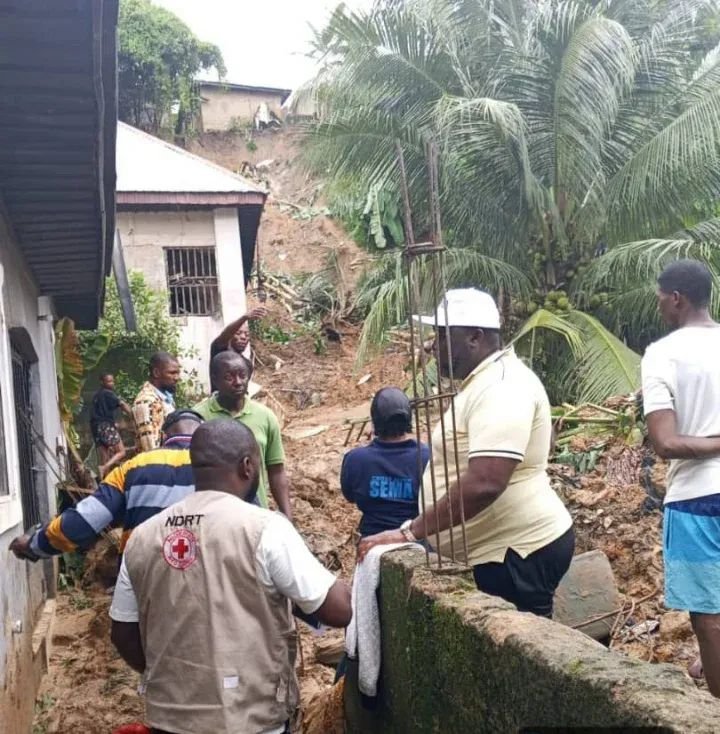
A devastating landslide triggered by prolonged heavy rainfall has claimed the lives of five people, including four children, in Ikot Anwatim Community of Calabar Municipality, Cross River State, highlighting the growing dangers posed by extreme weather and poor drainage infrastructure in parts of southern Nigeria.
According to a report by Punch Newspaper, the tragedy occurred after approximately 48 hours of continuous rainfall, which saturated the soil and caused a section of land to collapse onto residential buildings in the affected community. The victims were reportedly trapped beneath the debris before rescue efforts could reach them.
The incident has plunged the community into mourning, with grieving residents describing the disaster as one of the worst natural tragedies to hit the area in recent years. Families affected by the collapse have also appealed for urgent government intervention, humanitarian assistance, and long-term measures to reduce the risks associated with flooding and landslides.
Punch Newspaper reported that officials from the Cross River State Emergency Management Agency (CR-SEMA) visited the scene alongside volunteers from the Nigerian Red Cross Society to assess the extent of the damage and coordinate emergency response efforts. Rescue teams also evaluated nearby structures to determine whether additional residents remained at risk due to unstable ground caused by the persistent rainfall.
Residents said the heavy downpour had overwhelmed drainage channels and weakened the surrounding terrain before the fatal collapse occurred. The incident underscores concerns that many communities across Cross River State remain vulnerable to flooding and erosion during the peak of Nigeria’s rainy season.
Authorities have yet to announce comprehensive details regarding compensation or rehabilitation for the affected families. However, emergency officials have continued damage assessments while encouraging residents in high-risk areas to remain vigilant, particularly as forecasts indicate that periods of heavy rainfall may continue in several parts of the country.
The disaster has renewed calls for improved urban planning, stronger drainage systems, and stricter enforcement of building regulations in communities susceptible to flooding and soil erosion. Environmental experts have repeatedly warned that unregulated development, blocked waterways, and changing rainfall patterns increase the likelihood of disasters such as landslides, especially in areas with fragile terrain.
Cross River State has experienced seasonal flooding on several occasions, with communities often suffering damage to homes, roads, and public infrastructure. Although landslides are less common than flooding, they can occur when prolonged rainfall saturates unstable slopes, causing the earth to give way without warning.
The latest tragedy has also drawn attention to Nigeria’s broader disaster management challenges. Emergency response agencies frequently face logistical constraints during severe weather events, while affected communities often rely on local volunteers and humanitarian organizations for immediate relief before government assistance arrives.
As rescue and assessment operations continue, residents have appealed to both the Cross River State Government and the Federal Government to provide emergency shelter, food supplies, medical assistance, and support for families who lost loved ones and property in the disaster.
Disaster management experts continue to emphasize that preventive measures—including improved drainage infrastructure, environmental protection, public awareness campaigns, and early warning systems—remain essential for reducing casualties associated with extreme weather events. They also stress the importance of discouraging construction in flood-prone and geologically unstable locations.
The Nigerian Meteorological Agency (NiMet) and emergency management authorities have consistently advised residents living in flood-prone communities to monitor weather updates and heed official warnings during periods of intense rainfall. Such advisories become increasingly critical during the rainy season, when flooding and related hazards pose heightened risks across several states.
The deaths recorded in Ikot Anwatim Community serve as another reminder of the devastating human cost of natural disasters. Beyond the immediate loss of life, affected families now face the difficult task of rebuilding their lives while coping with emotional trauma and property losses.
As investigations and assessments continue, many residents hope the tragedy will prompt lasting investments in resilient infrastructure and disaster preparedness to prevent similar incidents in the future.
Sources
- Punch Newspaper
- Cross River State Emergency Management Agency (CR-SEMA)
- Nigerian Red Cross Society