Reported by Simon yusuph, | Journalist at wengglobal
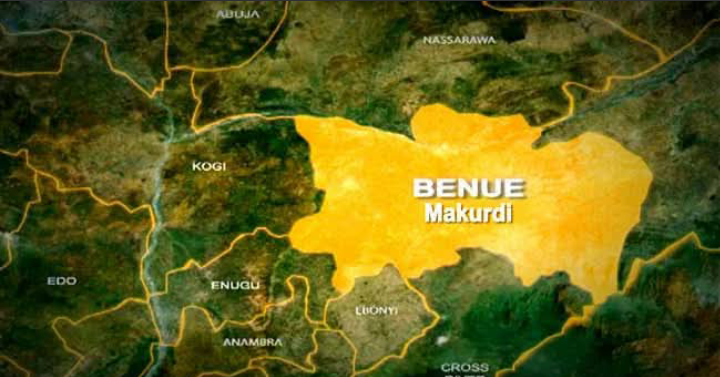
Fresh violence has once again shaken Benue State, with at least four people reportedly killed after suspected armed herders attacked Abaushwa community in Guma Local Government Area, underscoring the persistent insecurity that continues to threaten lives, livelihoods, and agricultural production in Nigeria’s Middle Belt.
The latest attack, confirmed by the Benue State Police Command, adds to a growing list of deadly incidents that have fueled concerns over the effectiveness of ongoing security operations and the urgent need for sustainable solutions to recurring farmer-herder conflicts across the region.
According to police authorities, the attack occurred in Abaushwa community, where gunmen believed to be armed herders invaded the area, killing four residents before fleeing. Security personnel have since been deployed to the community, while investigations are underway to determine the identities of the attackers and establish the circumstances surrounding the incident.
Police spokespersons confirmed that officers responded to reports from the affected area and have intensified patrols to prevent further violence. Authorities also stated that tactical teams are collaborating with other security agencies and local stakeholders as efforts continue to track down those responsible.
The renewed killings have heightened fears among residents of Guma Local Government Area, one of the communities that has repeatedly experienced violent clashes linked to disputes over land, grazing routes, and criminal activities involving armed groups.
Residents who survived the attack reportedly described scenes of panic as villagers fled into nearby communities for safety. Many families have once again been displaced, adding to the humanitarian burden already facing Benue State, where thousands remain in internally displaced persons (IDP) camps following years of recurring violence.
Community leaders have continued to call on both federal and state authorities to strengthen security deployment in vulnerable rural communities. They argue that while security operations have occasionally reduced attacks, many remote settlements remain exposed due to inadequate security presence and difficult terrain.
Benue, widely regarded as Nigeria’s “Food Basket,” has suffered repeated attacks over the past decade. The violence has severely affected agricultural production, disrupted local economies, displaced farming communities, and contributed to food insecurity in parts of the country.
Security analysts note that the conflict in Benue has evolved beyond traditional disputes between farmers and pastoralists. Increasingly, armed criminal groups, illegal weapons proliferation, and organized banditry have complicated the security landscape, making lasting peace more difficult to achieve.
The latest incident comes despite continued military and police operations across parts of Benue and neighboring states. Federal security agencies have repeatedly pledged to dismantle criminal networks responsible for attacks on rural communities, while state authorities have continued advocating stronger intelligence gathering and improved community policing.
The Benue State Government has consistently maintained that protecting farming communities remains a priority, urging residents to cooperate with law enforcement agencies by providing credible intelligence capable of preventing future attacks.
Humanitarian organizations have repeatedly warned that continued violence in Benue risks worsening displacement and increasing pressure on already overstretched relief facilities. Thousands of displaced persons continue to rely on government support and assistance from humanitarian partners after losing homes, farms, and livelihoods during previous attacks.
Beyond the immediate human cost, recurring insecurity continues to impact Nigeria’s agricultural sector. Benue contributes significantly to the nation’s production of yam, cassava, rice, maize, soybeans, and other staple crops. Persistent attacks on farming communities have disrupted planting and harvesting seasons, affecting food supply chains and contributing to inflationary pressures on food prices nationwide.
Security experts have also stressed the importance of addressing the underlying drivers of violence through dialogue, improved land management policies, intelligence-led policing, justice for victims, and stronger border controls to curb the proliferation of illegal firearms.
The attack has renewed calls from civil society organizations, traditional rulers, and community associations for comprehensive reforms aimed at preventing cycles of retaliatory violence. Many stakeholders argue that while military responses remain necessary, long-term peace will depend on strengthening conflict resolution mechanisms, promoting community reconciliation, and expanding economic opportunities for vulnerable populations.
Police authorities have urged residents to remain calm and continue supporting ongoing investigations. They also appealed to members of the public with useful information to report suspicious activities to the nearest security agencies.
As investigations continue, authorities have yet to announce any arrests linked to the incident. Security operations remain active across Guma Local Government Area to reassure residents and prevent further attacks.
The renewed violence highlights the broader security challenges confronting Nigeria’s Middle Belt, where competition over land, population growth, climate pressures, and criminality have increasingly intersected. Analysts say addressing these interconnected challenges will require sustained collaboration between federal and state governments, security agencies, traditional institutions, civil society organizations, and affected communities.
For residents of Abaushwa and neighboring villages, however, the immediate concern remains safety and the hope that justice will be served for those who lost their lives.
The Benue attack once again serves as a reminder that achieving lasting peace in one of Nigeria’s most agriculturally important regions remains critical not only for local communities but also for national food security, economic stability, and social cohesion.
Sources
- Vanguard Nigeria
- Punch Newspapers
- The Nation Nigeria
- Daily Trust
- Channels Television
- Benue State Police Command (official statements)