Reported by Weng Patrick Atokor l Journalist at Weng Global
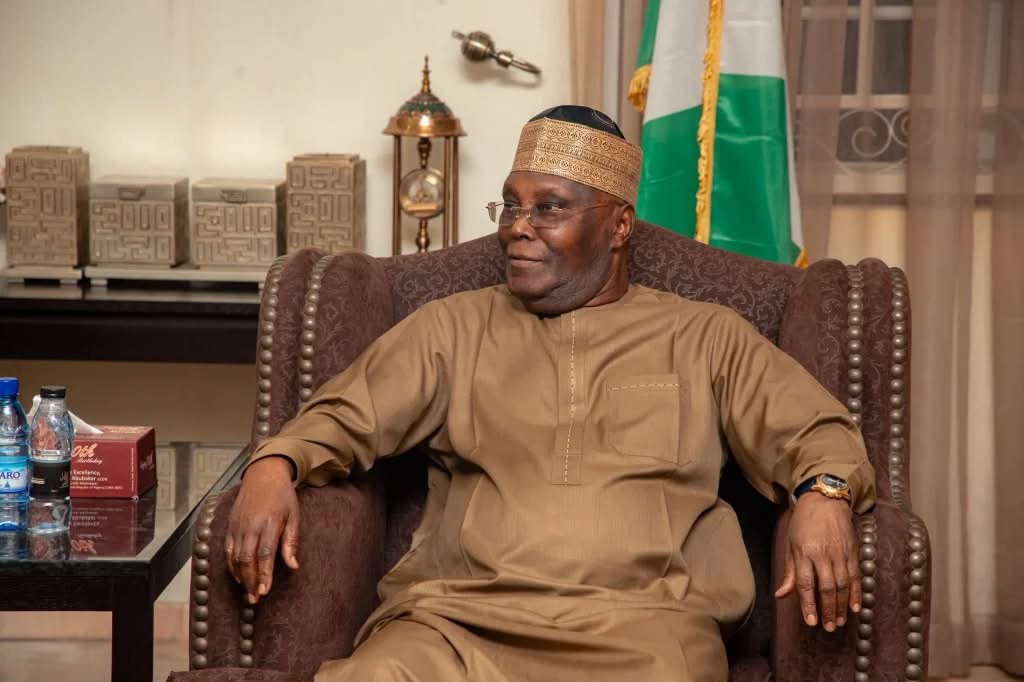
The presidential candidate of the African Democratic Congress (ADC), Atiku Abubakar, has reiterated his commitment to restoring petrol subsidy if elected president in Nigeria’s 2027 general election, arguing that the policy would ease economic hardship and make essential goods and services more affordable.
The former vice-president restated his position on Monday, November 9, 2026, in a post on X, accompanied by a campaign video outlining his proposed approach to petrol subsidy.
Atiku maintained that his position on the controversial policy had not changed, insisting that government intervention was necessary to reduce the financial pressure on Nigerian households.
“My position stands! I will restore subsidy to make life easier and more affordable for Nigerians,” he wrote.
His renewed commitment comes amid continuing concerns over the cost of living, rising transportation expenses and the broader economic consequences of the removal of petrol subsidy by President Bola Tinubu’s administration in 2023.
Atiku Proposes Support for Locally Refined Petrol
In the campaign video accompanying his latest statement, Atiku outlined an approach that would focus on supporting petroleum products refined within Nigeria rather than returning to the previous system that relied heavily on subsidised imported petrol.
The video featured a female narrator who argued that Nigeria, despite being a major crude oil-producing country, should ensure that its citizens have access to more affordable fuel.
It also compared Nigerian petrol prices with those in other oil-producing countries, including Libya, Iran, Venezuela, Kuwait and Saudi Arabia.
The proposed arrangement, according to the campaign message, would provide support for locally refined petroleum products until the domestic refining industry becomes sufficiently established to operate without government assistance.
The proposal suggests that Atiku wants to link fuel subsidy restoration with the development of Nigeria’s domestic petroleum industry.
However, details of the proposed funding arrangement, eligibility requirements, implementation framework and mechanisms for preventing financial leakages have not been fully outlined in his latest statement.
These issues are likely to become important in assessing the economic viability of the proposal.
Background: Tinubu Removed Petrol Subsidy in 2023
Nigeria’s petrol subsidy policy was effectively discontinued on May 29, 2023, when President Bola Tinubu announced its removal during his inauguration.
The decision ended decades of government intervention in petrol pricing, under which public funds were used to bridge the difference between the cost of importing or supplying petroleum products and the regulated retail price.
The Tinubu administration defended the decision on the grounds that the subsidy had become financially unsustainable and placed considerable pressure on government finances.
The government also argued that resources previously spent on subsidising petrol could be redirected towards infrastructure, education, healthcare and other development priorities.
However, the removal contributed to an immediate increase in petrol prices, with significant consequences for transportation, food distribution, manufacturing and household spending.
Because Nigeria’s economy relies heavily on road transportation, higher fuel costs have affected businesses and consumers across different sectors.
The policy has consequently remained one of the most contentious issues in the country’s economic and political discussions.
Atiku Questions How Subsidy Savings Have Been Used
Atiku’s renewed position is also connected to his criticism of the government’s management of the financial resources generated following the removal of petrol subsidy.
In an earlier interview in August 2026, the former vice-president questioned how the savings from the policy had been utilised.
He argued that the removal could have delivered better results if the resources had been directed towards improving public services, strengthening security, supporting education and reducing poverty.
According to reports by Premium Times and TheCable, Atiku said he would restore the subsidy if elected president and ensure that individuals responsible for diverting public funds associated with the previous arrangement were held accountable.
His argument is that subsidy removal should not be judged solely by the amount of money saved by government but also by whether those savings translate into improved living conditions for citizens.
The Federal Government, however, has maintained that its economic reforms are intended to strengthen public finances and improve the country’s long-term economic prospects.
The disagreement highlights a broader debate about whether the benefits of subsidy removal have sufficiently reached ordinary Nigerians.
A Shift from His Previous Position
Atiku’s current pledge also represents a significant political shift from the position he maintained during the 2023 presidential election campaign.
During that election cycle, he supported the removal of petrol subsidy, although he advocated a planned approach involving consultations with organised labour and other stakeholders.
His previous position was based on the argument that the subsidy system was financially unsustainable and that government resources could be more effectively deployed elsewhere.
However, his latest campaign position places greater emphasis on restoring targeted government support to reduce the cost of living.
The distinction between the two positions is important because Atiku is now presenting subsidy restoration as a potential economic relief measure rather than simply advocating a return to the previous arrangement.
His proposed focus on locally refined petroleum products also suggests an attempt to address concerns about the financial leakages associated with the former subsidy system.
Nevertheless, the effectiveness of such an arrangement would depend on how the government determines subsidy payments, monitors domestic production and prevents fraudulent claims.
Fuel Subsidy Becomes a Major Issue Ahead of 2027 Elections
Atiku’s promise has become part of the wider economic debate ahead of Nigeria’s 2027 presidential election.
The ADC presidential candidate has repeatedly placed economic relief, employment generation and improved security at the centre of his campaign message.
During the party’s presidential campaign flag-off in Sokoto State on November 4, 2026, he also pledged to restore petrol subsidy, reopen Nigeria’s land borders for legitimate commercial activities and address insecurity.
He argued that these measures would help stimulate economic activities, support businesses and improve the welfare of Nigerians.
The campaign promises have attracted attention because they address issues affecting households, farmers, traders, transport operators and manufacturers.
However, the ruling All Progressives Congress (APC) has challenged Atiku’s proposal, particularly regarding how another subsidy arrangement would be funded and implemented.
The central question is whether restoring government support for petrol would provide sustainable economic relief or create additional pressure on public finances.
Political and Legal Challenges Surround Atiku’s Candidacy
Beyond the economic debate, Atiku’s 2027 presidential ambition has also encountered a legal challenge.
On November 5, 2026, a Federal High Court in Abuja nullified his emergence as the ADC presidential candidate alongside decisions taken by the party’s David Mark-led leadership.
The ADC leadership subsequently appealed the judgment and sought a stay of execution, according to reports by Punch Newspapers.
The development introduces an additional uncertainty into the party’s preparations for the 2027 presidential election.
The eventual outcome of the legal proceedings could have implications for the party’s leadership structure and its presidential nomination process.
Why Atiku’s Subsidy Promise Matters
The restoration of petrol subsidy would have significant implications for Nigeria’s economy, particularly because fuel prices influence the cost of transportation, food distribution, electricity generation and business operations.
If properly designed and implemented, a targeted intervention could potentially reduce some of the financial pressure on households and businesses.
However, subsidy restoration would also require a clear funding mechanism, transparent administration and effective monitoring to prevent the problems associated with previous arrangements.
Nigeria’s experience with petrol subsidy has demonstrated the difficulty of balancing affordable fuel prices with government revenue, public spending and investment in critical infrastructure.
For voters, the issue is therefore not simply whether petrol should become cheaper but whether any proposed intervention can deliver lasting improvements without creating another unsustainable financial burden.
Atiku’s latest pledge places the issue firmly back at the centre of the 2027 election debate.
What Happens Next?
Atiku is expected to continue presenting his economic proposals as part of the ADC’s campaign ahead of the 2027 presidential election.
However, Nigerians will likely demand further clarification on how his proposed subsidy arrangement would work, how much it would cost and what safeguards would prevent the diversion of public funds.
The legal proceedings surrounding his emergence as the ADC presidential candidate also remain an important development to watch.
Ultimately, the debate will test competing approaches to Nigeria’s economic challenges: maintaining the current fuel pricing framework or reintroducing targeted government intervention to make petroleum products more affordable.
For Nigerian voters, the key consideration will be which approach offers a more sustainable path towards lower living costs, stronger purchasing power and improved economic conditions.
Weng Global – Stories beyond borders
Sources
1. Punch Newspapers – Atiku insists on restoring petrol subsidy to ease hardship
2. Premium Times – Atiku vows to restore petrol subsidy if elected president in 2027
3. TheCable – Atiku says he will restore petrol subsidy if elected president
4. Channels Television – Atiku pledges to restore fuel subsidy at ADC campaign rally
5. Punch Newspapers – Atiku vows to restore fuel subsidy and reopen borders