Reported by Weng Patrick Atokor l Journalist at Weng Global
The Federal Government has announced plans to develop dedicated electricity transmission connections for major manufacturing centres in Nigeria as part of efforts to improve power supply, reduce production costs and strengthen the country’s industrial sector.
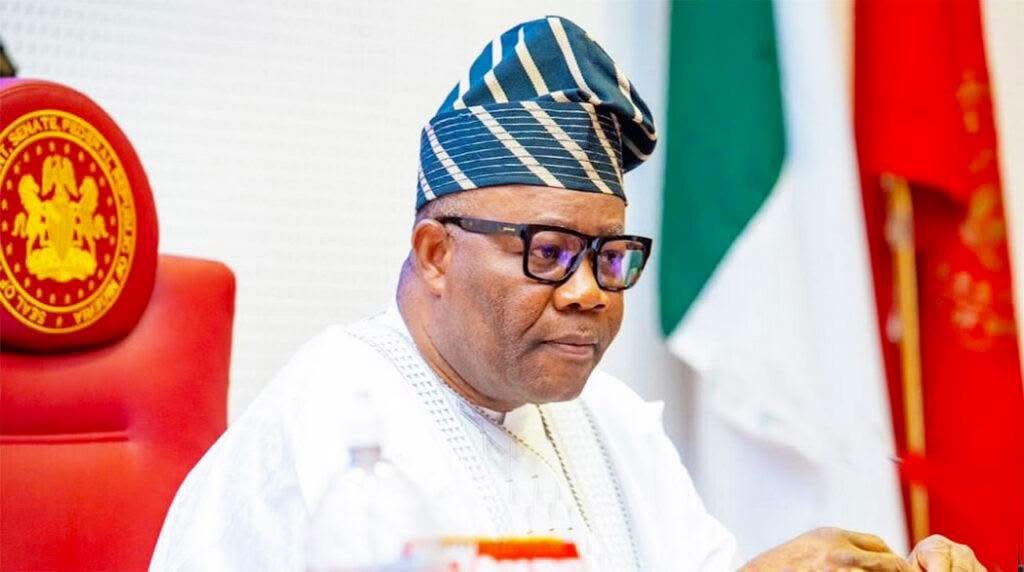
Minister of Power, Joseph Olasunkanmi Tegbe, disclosed the initiative at the 2026 Manufacturers Energy Security and Energy Efficiency Summit in Lagos, where he outlined the government’s strategy for addressing persistent electricity challenges affecting manufacturers.
One of the proposed projects involves connecting available electricity generation from Alaoji in Abia State to the Agbara industrial area in Ogun State through a dedicated transmission line.
The initiative is expected to improve the delivery of electricity to industrial facilities by connecting available generation capacity with areas experiencing significant demand for power.
Tegbe explained that the government was exploring ways to make better use of existing electricity infrastructure and generation assets rather than relying exclusively on new investments in power generation.
He identified the proposed Alaoji-to-Agbara connection as an example of how available electricity could be redirected towards industrial centres that require more reliable energy supplies.
Government Considers Alaoji-Agbara Transmission Connection
According to reports from the summit, Tegbe said the government was working on a model that would allow electricity generated in Alaoji to reach manufacturers in Agbara through an effective transmission connection.
The minister explained that the proposal formed part of the government’s asset optimisation strategy, which seeks to address the gap between available electricity generation and the areas where power is most urgently needed.
The proposed connection is particularly significant for Agbara, one of Nigeria’s important manufacturing locations, where industrial operations depend heavily on consistent electricity.
However, the government has not publicly provided specific details about the proposed transmission line’s capacity, construction cost, financing arrangement or commencement date.
The minister’s remarks indicate that the connection model is still being developed. Consequently, the proposal should not be interpreted as confirmation that construction has commenced or that a completion date has been established.
Four-Pillar Strategy to Address Nigeria’s Electricity Challenges
During the summit, Tegbe outlined four major areas of intervention that the Federal Government intends to pursue to improve electricity supply and strengthen the country’s power sector.
The strategy focuses on asset optimisation, the development of energy zones, improved financial sustainability and the expansion of electricity infrastructure.
1. Optimising Existing Power Generation and Transmission Assets
The first pillar involves making better use of existing electricity generation and transmission facilities.
The government intends to identify available generation capacity and improve the infrastructure required to transport electricity to industrial centres.
The proposed Alaoji-Agbara transmission connection illustrates this approach, particularly where electricity generation resources are not being fully utilised in locations that could benefit from additional supply.
2. Developing Strategic Energy Zones
The second pillar involves developing energy zones around major economic and industrial corridors.
Tegbe identified three priority corridors:
- Lagos-Ogun industrial corridor.
- Benin-Enugu-Port Harcourt corridor.
- Abuja-Kaduna-Kano corridor.
The strategy is intended to align electricity generation, transmission and distribution infrastructure with the energy requirements of businesses and manufacturing facilities.
This approach could help address the infrastructure challenges that prevent electricity from reaching industrial consumers consistently.
3. Strengthening Financial Sustainability in the Power Sector
The third pillar focuses on improving liquidity across Nigeria’s electricity market.
According to the minister’s remarks reported at the summit, the Federal Government had paid N1.23 trillion out of N3.3 trillion in legacy debts owed to electricity generation companies through bonds.
The outstanding obligations have been a longstanding concern for electricity generators, who depend on payments from the electricity market to maintain operations and invest in additional capacity.
Improving the financial position of the sector is important because inadequate liquidity can affect investment, maintenance and the overall reliability of electricity supply.
4. Expanding Critical Electricity Infrastructure
The fourth pillar involves expanding the infrastructure required to support present and future electricity demand.
Tegbe disclosed that eight substations had been commissioned in the preceding two months, adding approximately 1,300 megavolt-amperes (MVA) to the electricity network.
The substations identified in reports from the summit include Bokso, Agata, Mashi, Dan Aguki, Agapa, Ilorin, Birnin Kebbi and Walambe.
The minister also disclosed that a technical audit was underway to identify infrastructure limitations and guide future investments, particularly in areas with significant industrial activity.
Manufacturers Raise Concerns Over High Electricity Costs
The announcement comes amid growing concerns among Nigerian manufacturers over the cost and reliability of electricity, which have continued to affect production, business operations and industrial competitiveness.
President of the Manufacturers Association of Nigeria (MAN), Ifeanyi Okoye, said energy expenses had become a major burden for manufacturers, with some businesses spending a substantial proportion of their operating budgets on electricity.
Speaking at the summit, Okoye warned that when energy expenses consume nearly half of a factory’s operating budget, businesses face reduced competitiveness, higher production costs and potential job losses.
He maintained that manufacturers had continued operating despite difficult economic conditions but argued that the industry needed practical interventions rather than prolonged discussions about the electricity crisis.
The concerns reflect the challenges facing businesses that depend on generators and other alternative electricity sources to maintain production when public electricity supply is inadequate.
For many manufacturers, unreliable power increases operational expenses through fuel purchases, equipment maintenance and the additional infrastructure required to generate electricity independently.
These expenses can eventually affect the prices of locally manufactured products, making them less competitive against imported goods.
MAN Launches Industrial Energy Cost Reduction Programme
At the same summit, MAN announced the Industrial Energy Cost Reduction and Adoption Programme through its strategic vehicle, Manufacturers Power Development Company Limited (MPDCL).
The initiative is designed to help manufacturers reduce energy expenses and adopt more reliable and sustainable electricity solutions.
According to information presented at the event, the programme will focus on several energy options, including:
- Factory rooftop solar installations.
- Battery Energy Storage Systems (BESS).
- Captive natural gas power generation.
- Smart energy management networks.
- Access to financing for industrial energy projects.
The programme is being developed in partnership with the German development agency GIZ and the Nigerian Energy Support Programme (NESP).
The initiative is intended to encourage manufacturers to adopt alternative energy solutions while improving efficiency and reducing their dependence on expensive conventional power sources.
MAN also highlighted the importance of securing long-term financing for energy investments.
The association argued that major industrial energy projects require affordable financing arrangements with longer repayment periods rather than relying on short-term commercial loans.
Chairman of MPDCL, John Aluya, said energy costs account for more than 40 per cent of operational expenditure for some manufacturers.
He noted that the financial pressure associated with electricity generation was reducing profit margins and creating difficulties for businesses seeking to compete in domestic and international markets.
Aluya described reliable and affordable energy as a critical factor in determining whether Nigerian manufacturing businesses could remain competitive under the African Continental Free Trade Area (AfCFTA).
MAN Calls for Stronger Enforcement of Electricity Supply Obligations
Beyond the proposed government infrastructure projects, manufacturers also called for stronger regulatory enforcement to improve electricity delivery.
Okoye urged regulators to sanction electricity distribution companies that fail to meet the 20-hour daily supply obligation associated with Band A electricity customers.
He also called for affected factories to receive appropriate compensation where electricity providers fail to meet their stated service obligations.
The MAN president further advocated improvements to net-metering arrangements and measures that would protect manufacturers investing in their own electricity generation facilities.
These demands highlight the importance of accountability in Nigeria’s electricity market, particularly as businesses pay higher tariffs in exchange for improved service.
Reliable electricity supply remains a major concern for industrial consumers because interruptions can disrupt production schedules, damage sensitive equipment and increase operating expenses.
Why the Proposed Transmission Lines Matter
The proposed dedicated transmission connections could have important implications for Nigeria’s manufacturing sector if successfully implemented.
Manufacturing businesses require dependable electricity to operate machinery, maintain production schedules and manage operating expenses.
When electricity supply becomes unreliable, companies often turn to diesel and petrol generators, increasing their dependence on fossil fuels and exposing them to fluctuations in fuel prices.
A dedicated transmission connection linking available generation to industrial centres could help address some of these challenges by improving electricity delivery to areas with significant commercial and industrial demand.
For Agbara, the proposed Alaoji connection is particularly relevant because the industrial area hosts businesses whose operations depend on substantial and consistent energy supplies.
Improved electricity access could help manufacturers reduce their reliance on self-generation, improve production efficiency and potentially reduce the cost of locally produced goods.
However, the benefits will depend on the actual capacity of the transmission infrastructure, the availability of electricity generation, the reliability of the wider network and the arrangements governing electricity distribution to industrial consumers.
A transmission line alone cannot resolve every electricity challenge. Adequate generation, gas supply, maintenance, distribution infrastructure and financial sustainability will also be necessary.
Previous Government Efforts to Improve Power Supply in Agbara
The latest proposal builds on previous government efforts to improve electricity supply to industrial clusters, particularly the Agbara manufacturing corridor.
In October 2023, Vice-President Kashim Shettima announced a dedicated power initiative targeting industrial clusters, with Agbara selected as the pilot location.
The initiative involved collaboration with the Niger Delta Power Holding Company (NDPHC) and private-sector partners to improve electricity supply to industrial and commercial consumers.
The government subsequently pursued additional electricity infrastructure investments along the Lagos-Ogun industrial corridor.
In August 2024, the Federal Government announced a $500 million Japanese International Cooperation Agency (JICA) intervention targeting transmission infrastructure across industrial locations including Agbara, Mowe and Sagamu.
These earlier interventions demonstrate the government’s recognition of electricity supply as a major obstacle to industrial development.
However, the latest Alaoji-Agbara proposal represents a specific approach to connecting available generation capacity with industrial demand. Its implementation details and relationship with existing projects remain to be clarified. The State House, Abuja +2
What Happens Next?
The immediate priority will be for the Federal Government to translate its proposed transmission strategy into an implementable infrastructure project.
Important details still need to be established, including the proposed transmission capacity, construction costs, financing arrangements, implementation partners and delivery timetable.
The government will also need to ensure that the proposed connection operates within a reliable electricity supply framework.
For manufacturers, the success of the initiative will ultimately be measured by whether factories receive more consistent electricity and experience meaningful reductions in energy expenses.
The Industrial Energy Cost Reduction and Adoption Programme announced by MAN could complement the government’s infrastructure plans by encouraging private-sector investment in renewable energy, battery storage and other industrial electricity solutions.
Nigeria’s manufacturing sector requires more than policy announcements to overcome its energy challenges. Consistent implementation, adequate infrastructure investment and accountability across the electricity value chain will be essential.
If the proposed projects deliver their intended results, they could strengthen industrial productivity, support employment and improve the competitiveness of Nigerian-made products.
For now, manufacturers will be watching to see how quickly the government moves from its proposed transmission connections to concrete implementation.
Weng Global – Stories beyond borders
Sources
- BusinessDay – FG to Link Stranded Power Plants to Industrial Clusters via Dedicated Transmission Lines.
- Vanguard – MAN Unveils Energy Cost Reduction Initiative as Manufacturers’ Power Bills Soar.
- The State House – Industrial Clusters Power Project.
- TheCable – FG Receives $500m Investment to Boost Power Supply in Ogun-Lagos Industrial Zone.
- The Guardian – FG Targets 24-Hour Power for Abuja Industrial Cluster, Eyes 180,000 Jobs.