Reported by Simon yusuph,| Journalist at wengglobal
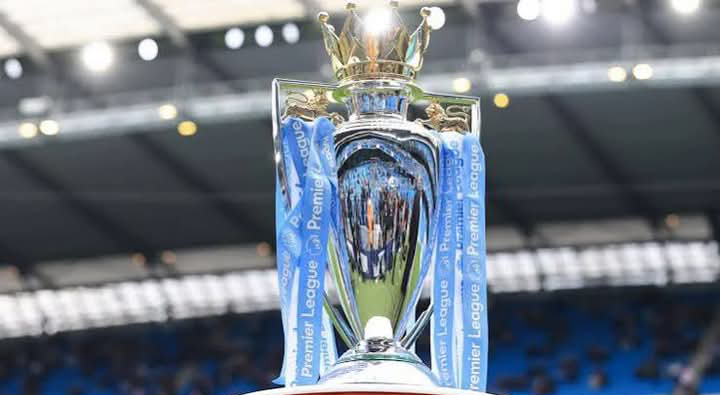
The English Premier League has become one of the world’s most valuable and globally recognized football competitions, attracting billions of viewers and investors from every continent. Among the most influential stakeholders shaping the league’s commercial future are American business leaders and investment groups, whose ownership has expanded significantly over the past two decades.
Today, American investors either fully own or hold significant controlling stakes in 10 Premier League clubs, including football giants Arsenal and Chelsea. Their growing presence reflects a broader trend of international investment in English football, driven by the league’s global popularity, lucrative broadcasting deals, commercial partnerships, and expanding international fan base.
While supporters remain divided over the impact of foreign ownership, there is little doubt that American investment has transformed the financial landscape of English football. Some clubs have benefited from improved infrastructure, expanded commercial operations, and increased global visibility, while others have faced criticism over governance decisions, sporting ambitions, and fan engagement.
American Ownership Continues to Grow
The Premier League remains one of the world’s most attractive sporting investments. Massive television revenues, international sponsorships, and worldwide fan engagement continue to make English clubs appealing assets for American billionaires, private equity firms, and sports conglomerates.
Unlike many European football traditions that prioritize community ownership, American investors often apply business models developed in the NFL, NBA, MLB, and NHL. These approaches typically focus on financial sustainability, brand expansion, stadium development, digital engagement, and long-term asset appreciation.
Although every ownership group operates differently, the increasing American footprint has become one of the defining features of modern Premier League football.
The 10 Premier League Clubs with American Owners
Arsenal
Arsenal is majority-owned by Kroenke Sports & Entertainment (KSE), led by American businessman Stan Kroenke. KSE became the club’s sole owner in 2018 after acquiring the remaining shares.
Under Kroenke’s ownership, Arsenal has invested heavily in rebuilding its squad under manager Mikel Arteta, returning to regular UEFA Champions League football and re-establishing itself as a Premier League title contender.
Chelsea
Chelsea is owned by BlueCo, a consortium led by American investor Todd Boehly alongside Clearlake Capital, following the club’s acquisition in 2022.
The ownership group has overseen one of the largest spending programmes in football history, investing billions of pounds in player recruitment, academy development, and long-term infrastructure.
Liverpool
Liverpool is owned by Fenway Sports Group (FSG), headed by John W. Henry.
Since acquiring the club in 2010, FSG has been widely credited with improving Liverpool’s financial stability while supporting major sporting success, including Premier League, UEFA Champions League, FA Cup, League Cup, FIFA Club World Cup, and UEFA Super Cup triumphs.
Manchester United
Manchester United is primarily controlled by the Glazer family, which completed its controversial takeover in 2005.
In recent years, British businessman Sir Jim Ratcliffe acquired a minority stake and assumed responsibility for football operations. However, the Glazer family remains the club’s majority shareholder.
Aston Villa
Aston Villa is jointly owned by American billionaire Wes Edens and Egyptian businessman Nassef Sawiris through V Sports.
Edens has played a key role in financing Villa’s rapid rise, helping the club qualify for European competitions and strengthen its squad under Unai Emery.
Bournemouth
AFC Bournemouth is owned by American businessman Bill Foley through Black Knight Football Club.
Since taking control, Foley has invested in squad development and outlined ambitious plans to establish Bournemouth as a stable Premier League club capable of consistent growth.
Burnley
Burnley is owned by ALK Capital, an American investment company led by Alan Pace.
The ownership group has focused on financial restructuring and long-term competitiveness following the club’s promotion back to England’s top flight.
Crystal Palace
Crystal Palace includes significant American investment through businessman John Textor, whose Eagle Football Holdings owns a substantial shareholding in the club.
Although Palace has a diverse ownership structure, American investment remains an important component of its long-term strategic direction.
Everton
Everton recently entered a new era following the takeover by The Friedkin Group, led by American billionaire Dan Friedkin.
The acquisition followed years of financial uncertainty and is expected to support the club’s transition into its new stadium while strengthening football operations.
Leeds United
Following their return to the Premier League, Leeds United is owned by 49ers Enterprises, the investment arm linked to the NFL’s San Francisco 49ers.
The American-backed ownership group has committed to restoring Leeds as a competitive force in English football while expanding the club’s commercial profile internationally.
Why American Investors Are Choosing English Football
The Premier League offers unmatched commercial opportunities. Broadcasting rights generate billions of pounds annually, while clubs benefit from worldwide merchandising, sponsorship agreements, digital media expansion, and growing international audiences.
American investors also view football clubs as long-term assets capable of appreciating significantly in value. Strategic investments in stadium redevelopment, data analytics, youth academies, and global marketing have become central to many ownership models.
Several owners have introduced management practices from American professional sports, emphasizing operational efficiency, commercial innovation, and sustainable financial planning.
Mixed Reactions from Supporters
Despite substantial investment, American ownership has not been universally welcomed.
Supporters have occasionally criticized some owners for prioritizing financial performance over sporting success or for insufficient engagement with local fan communities. The backlash against the failed European Super League proposal in 2021 highlighted tensions between supporters and several American-owned clubs involved in the project.
However, other ownership groups have earned praise for improving financial stability, modernizing club infrastructure, investing in youth development, and supporting competitive squads capable of challenging for major honours.
The experiences vary widely across clubs, demonstrating that success depends more on leadership, governance, and long-term planning than nationality alone.
A Lasting Impact on English Football
American ownership is now firmly embedded within the Premier League’s modern identity. From Arsenal and Chelsea to Liverpool, Manchester United, Everton, and Leeds United, US investors continue to shape sporting strategies, commercial growth, and international expansion.
As global competition for football investment intensifies, American-backed ownership is expected to remain a significant force in English football. The challenge for every ownership group will be balancing commercial ambitions with sporting excellence while preserving the traditions and identities that have made Premier League clubs among the world’s most cherished sporting institutions.
For African supporters—who represent one of the Premier League’s largest international audiences—the continued investment also underscores the league’s expanding global reach and the increasingly interconnected nature of modern football.
Sources:
- Premier League (Official)
- BBC Sport
- Sky Sports
- Reuters
- The Athletic
- ESPN
- Financial Times
- The Guardian
- Forbes