Reported by Simon yusuph, | Journalist at wengglobal
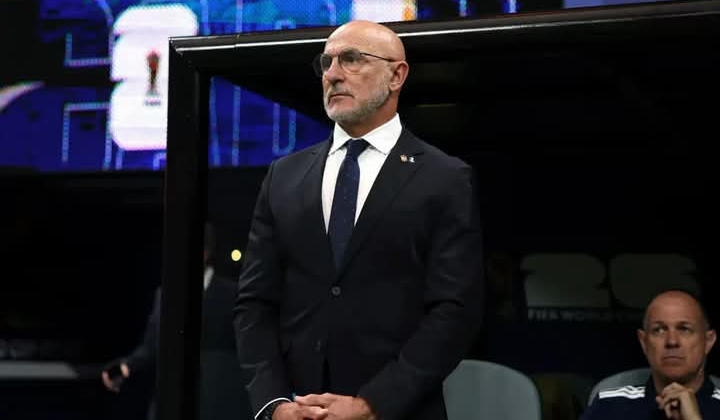
Spain has written another remarkable chapter in international football history after head coach Luis de la Fuente became the oldest manager ever to win the FIFA World Cup, leading La Roja to global glory at the age of 65. His achievement surpasses the previous record held by fellow Spaniard Vicente del Bosque, cementing De la Fuente’s place among the greatest coaches in football history.
The historic triumph represents not only a personal milestone for De la Fuente but also a defining moment for Spanish football, demonstrating the value of experience, long-term planning, and youth development in achieving success at the highest level of the game.
For Spain, the victory marks another golden era after years of rebuilding following the country’s celebrated period between 2008 and 2012, when it won two UEFA European Championships and its first FIFA World Cup.
A Historic Milestone for Spanish Football
At 65 years old, Luis de la Fuente has rewritten FIFA World Cup history by becoming the oldest coach ever to lift football’s most prestigious trophy.
The previous record belonged to Vicente del Bosque, who guided Spain to its maiden World Cup title in South Africa in 2010. De la Fuente’s achievement highlights the longevity of elite coaching careers and reinforces Spain’s reputation for producing world-class football tacticians.
Unlike many managers who arrive from club football, De la Fuente built his reputation patiently within Spain’s national team system. His extensive experience with Spain’s youth teams laid the foundation for his eventual promotion to the senior squad.
His journey reflects years of dedication rather than overnight success, making the World Cup triumph particularly significant.
Years of Preparation Finally Rewarded
Before taking charge of Spain’s senior national team, De la Fuente enjoyed considerable success across various youth levels.
He coached Spain’s Under-19, Under-21 and Olympic teams, helping develop many of the players who later became integral members of the senior squad.
This continuity proved invaluable, as many players were already familiar with his tactical philosophy, disciplined approach and emphasis on possession-based football.
Football analysts have praised his commitment to promoting young talent while maintaining Spain’s traditional style built around technical excellence, intelligent movement and collective teamwork.
The World Cup victory serves as validation of the Spanish Football Federation’s long-term development strategy, where youth progression and coaching consistency remain central pillars.
Tactical Discipline Defines Spain’s Success
Throughout the tournament, Spain impressed supporters and football experts alike with disciplined performances, tactical flexibility and mental resilience.
Rather than relying solely on individual brilliance, De la Fuente built a balanced squad capable of adapting to different opponents.
Spain demonstrated defensive organization, intelligent pressing and efficient attacking transitions, qualities that consistently produced positive results throughout the competition.
Observers noted that De la Fuente blended experienced international stars with emerging talents, creating a squad that combined composure with youthful energy.
His calm leadership on the touchline mirrored Spain’s composed performances on the pitch, particularly during high-pressure knockout matches.
Experience Triumphs in Modern Football
In an era where many elite national teams appoint younger managers, De la Fuente’s achievement underscores the enduring importance of experience.
His success challenges assumptions that international football increasingly favours youthful coaches.
Instead, the Spanish manager showed that decades of tactical knowledge, player management and tournament experience remain decisive advantages on football’s biggest stage.
His record also demonstrates that coaching excellence is measured less by age than by preparation, adaptability and leadership.
For aspiring coaches across Africa and the wider football world, De la Fuente’s journey offers a powerful reminder that sustained commitment and continuous learning can ultimately lead to historic success.
Spain’s Return to the Summit
Spain’s World Cup triumph represents the culmination of a carefully managed rebuilding process.
Following periods of inconsistency after its golden generation, the Spanish national team invested heavily in youth development, modern coaching structures and tactical continuity.
Those investments have now delivered the sport’s biggest prize once again.
The victory further strengthens Spain’s position among football’s elite nations, joining a select group of countries with multiple FIFA World Cup titles.
Beyond the trophy itself, Spain’s success showcases the effectiveness of developing players through a unified national football philosophy that extends from youth academies to the senior team.
Global Recognition for De la Fuente
Following Spain’s historic achievement, congratulations poured in from football governing bodies, clubs, former players and supporters around the world.
Many analysts described De la Fuente’s accomplishment as one of the defining coaching achievements in World Cup history.
His record-breaking triumph adds another remarkable chapter to a coaching career built on patience, consistency and long-term vision.
Football historians are also expected to rank his World Cup-winning campaign among Spain’s greatest sporting achievements, given both the significance of the title and the historic coaching milestone.
What the Victory Means for World Football
Spain’s World Cup success is likely to influence coaching philosophies well beyond Europe.
National football federations across Africa, Asia and the Americas increasingly recognise the importance of investing in long-term coaching development rather than seeking quick managerial changes after disappointing tournaments.
De la Fuente’s success illustrates how continuity, trust and structured player development can produce sustainable excellence.
For African football administrators seeking to strengthen national teams, Spain’s model offers valuable lessons in aligning youth development with senior-team ambitions.
Rather than relying solely on imported expertise, many federations may increasingly prioritise developing coaches who understand their football culture and can guide players through every stage of international competition.
A Legacy Beyond Records
While becoming the oldest World Cup-winning coach is a remarkable statistic, Luis de la Fuente’s legacy extends far beyond age.
His greatest achievement may ultimately be proving that patient development, tactical intelligence and unwavering belief in young talent remain among football’s most powerful ingredients for success.
Spain’s latest World Cup triumph reinforces the nation’s reputation as one of football’s most respected institutions while inspiring coaches worldwide to pursue excellence regardless of age.
For football fans across Africa and the global community, De la Fuente’s historic accomplishment stands as a celebration of experience, resilience and visionary leadership.
As Spain celebrates another World Cup crown, Luis de la Fuente’s name will forever occupy a distinguished place in football history—not simply as the oldest coach to win the tournament, but as a leader whose commitment to development and tactical excellence helped restore Spain to the pinnacle of world football.
Sources
- FIFA
- Reuters
- Associated Press (AP)
- ESPN
- BBC Sport
- Sky Sports
- Marca
- The Athletic