Reported by Weng Patrick Atokor | journalist at wengglobal
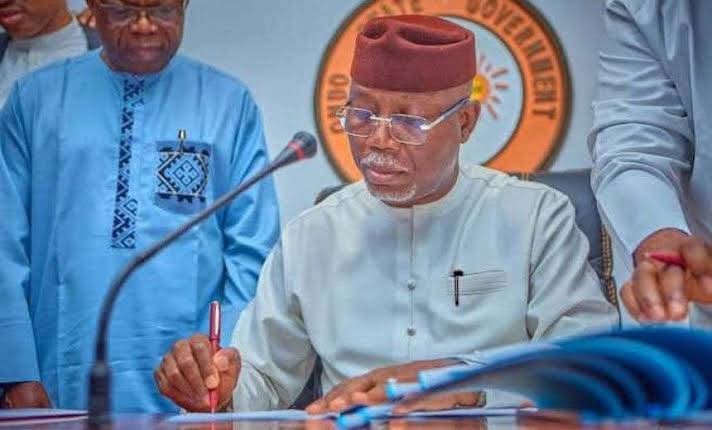
Concerns over transparency and accountability in the management of public resources have resurfaced in Ondo State following allegations that auditors were prevented from accessing and verifying selected high-value projects within the Government House.
The allegations, which have circulated on social media and among political stakeholders, claim that officials responsible for auditing public expenditure were denied access to projects financed with taxpayers’ money. However, as of the time of filing this report, no official audit report or court document publicly confirms that auditors were deliberately barred from carrying out their constitutional duties.
The claims have nevertheless reignited debate over the importance of transparency in public finance management, particularly regarding projects funded from public coffers. Good governance advocates argue that unrestricted access for auditors is essential to ensuring that government spending complies with established financial regulations and delivers value for money.
In Nigeria, the Office of the Auditor-General plays a critical role in promoting accountability by examining government accounts and reporting findings to the appropriate authorities. Independent audits help identify financial irregularities, improve governance, and strengthen public confidence in government institutions.
Transparency experts note that where auditors encounter obstacles in accessing government records or project sites, such situations can undermine public trust even if no financial wrongdoing is ultimately established. They emphasize that timely disclosure of project information and cooperation with audit processes are fundamental principles of accountable governance.
The Ondo State Government had not publicly responded to the specific allegations at the time of publication. Weng Global has not independently verified the claims that auditors were prevented from inspecting any Government House projects.
Analysts say that if concerns of this nature arise, the appropriate institutions including the Office of the Auditor-General, the Public Accounts Committee, anti-corruption agencies, and other oversight bodies should be allowed to investigate independently and publish their findings.
Civil society organizations have consistently advocated for stronger transparency measures in public procurement and project implementation. They argue that open access to project information, contract details, and expenditure records enables citizens to better understand how public funds are utilized.
Across Nigeria, calls for greater fiscal accountability have intensified in recent years as governments at both federal and state levels face increasing public scrutiny over infrastructure spending. Financial experts maintain that transparent procurement processes, regular audits, and prompt publication of audit findings are among the most effective safeguards against waste and corruption.
Legal experts also point out that allegations involving the misuse of public funds should be investigated through established legal and institutional mechanisms rather than determined through public opinion or social media commentary. They stress that individuals and public institutions are entitled to due process, and allegations should be supported by credible evidence before conclusions are reached.
Public accountability remains a cornerstone of democratic governance. International organizations, including the International Organization of Supreme Audit Institutions (INTOSAI), have consistently emphasized that independent audit institutions must have unrestricted access to information necessary to perform their constitutional responsibilities.
Observers say increased transparency benefits both governments and citizens by improving confidence in public institutions, encouraging responsible management of public resources, and reducing opportunities for financial misconduct.
As discussions continue, attention is likely to focus on whether the relevant oversight agencies will issue statements or commence any formal review concerning the allegations. Until then, the claims remain unverified, and no official findings have established that auditors were unlawfully prevented from carrying out their duties in Ondo State.
Sources:
Premium Times Nigeria
Punch Newspapers
The Guardian Nigeria
Daily Trust
Office of the Auditor-General of the Federatio