Reported by Simon Daniel Yusuph l Journalist at Weng Global
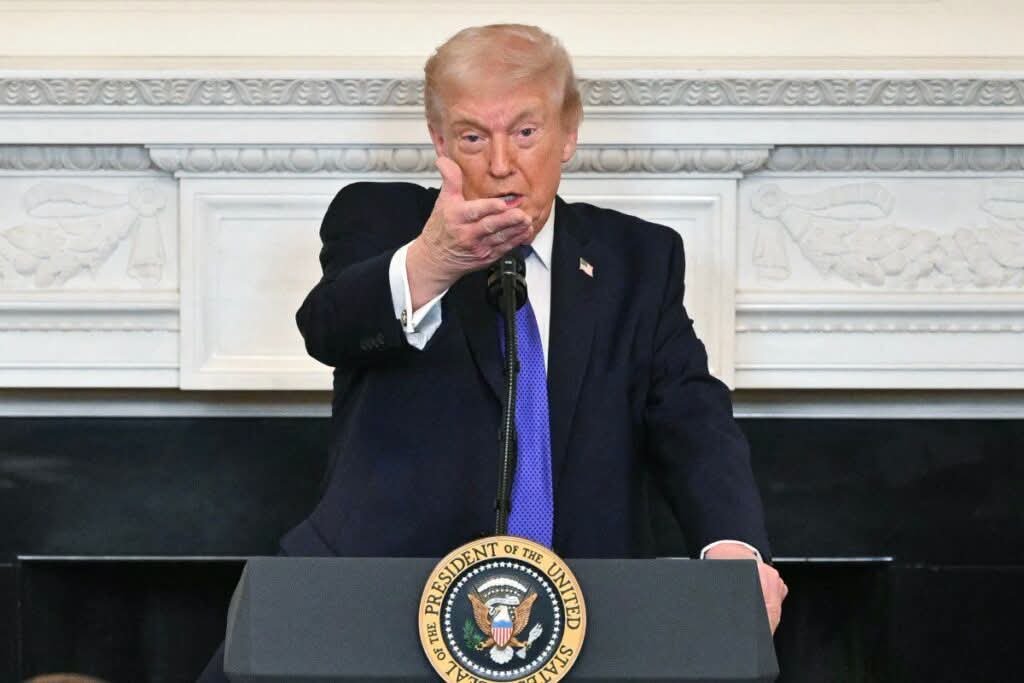
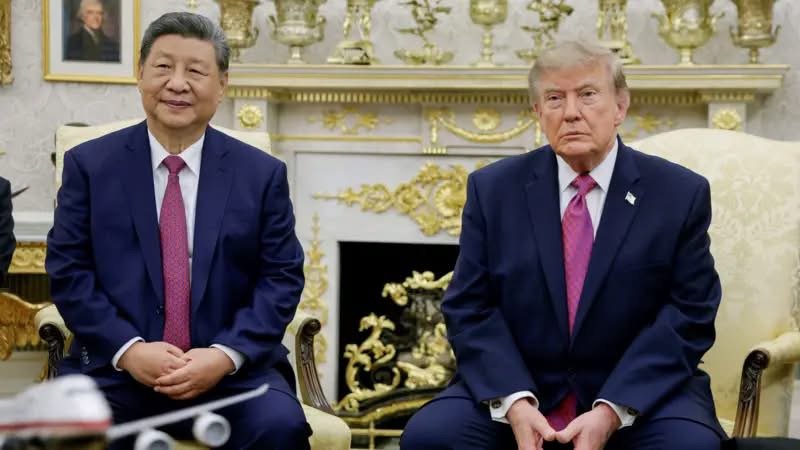
US President Donald Trump has welcomed Chinese President Xi Jinping to the White House for a high-level state visit as the leaders of the world’s two largest economies seek to manage tensions over trade, artificial intelligence, Taiwan, critical minerals and the war in Iran.
Xi arrived in Washington for his first White House visit in more than a decade, with Trump personally greeting him and Chinese First Lady Peng Liyuan at Joint Base Andrews before the formal programme began. The White House confirmed that Trump and First Lady Melania Trump would host Xi and Peng for the official state visit on September 24.
The meeting comes at a sensitive point in US-China relations, with both governments seeking greater economic stability while continuing to compete over technology, trade and strategic influence.
Trump and Xi Face a Broad Agenda
Trade is expected to remain at the centre of the discussions.
The United States and China have been operating under a fragile trade arrangement, with both sides attempting to prevent renewed escalation in tariffs and restrictions. The two countries agreed on Wednesday to extend their existing trade truce by two months, according to reporting by The Guardian.
The extension gives negotiators additional time to work on outstanding economic issues while reducing the immediate risk of another sharp deterioration in bilateral trade relations.
Reuters reported that Trump is seeking progress that can demonstrate tangible benefits from the summit, while both leaders are also expected to address longstanding disagreements involving technology, Taiwan and Iran.
Artificial Intelligence Becomes a Major Issue
Artificial intelligence is another major subject on the summit agenda.
Washington and Beijing are competing for technological leadership in AI, with the rivalry extending to advanced computing, semiconductor technology and access to critical technological infrastructure.
The White House has previously described the US-China relationship as one requiring strategic stability while maintaining competition in areas of national importance.
The two governments are now expected to discuss how AI development can proceed while addressing concerns about safety, technological competition and the possibility of uncontrolled escalation between the two countries.
Reuters reported before the summit that AI, trade, Taiwan and Iran were among the central issues expected to dominate the discussions.
The AI discussions have wider implications because decisions made by Washington and Beijing could affect technology companies, semiconductor manufacturers, investors and governments around the world.
Iran War Adds Another Layer to the Talks
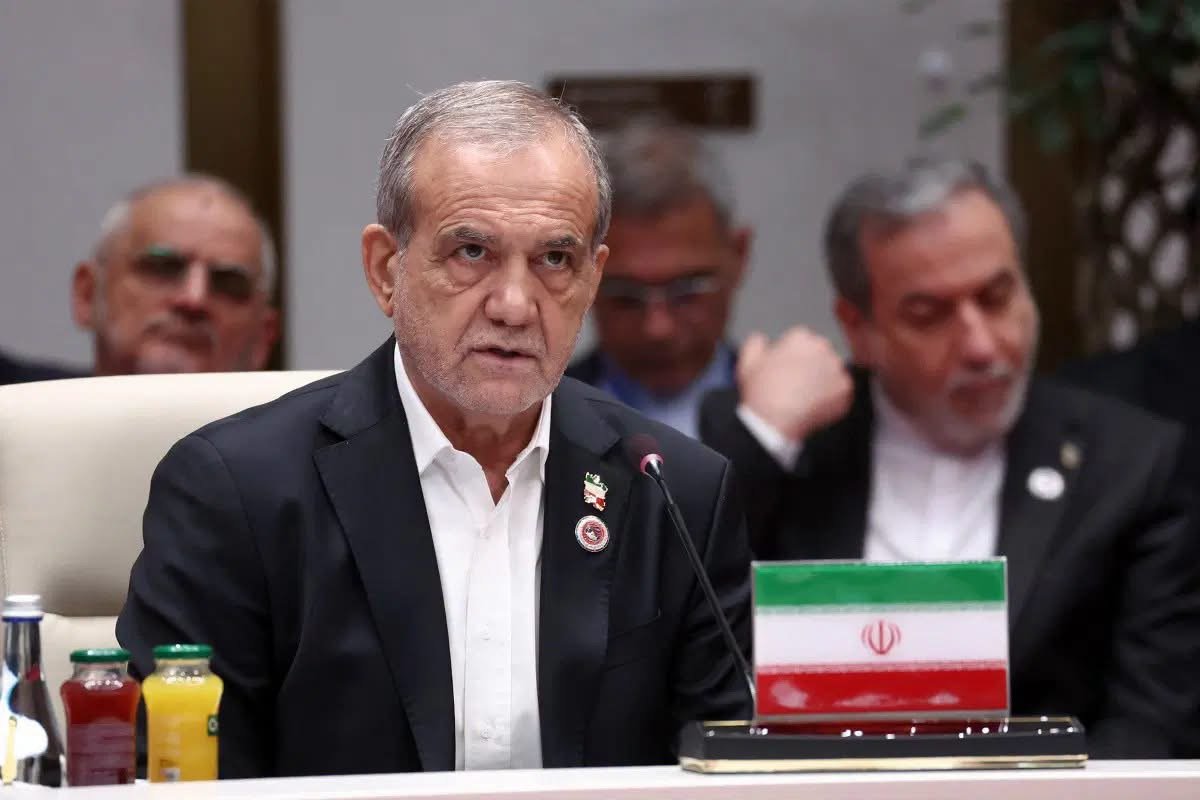
The war in Iran has added another difficult issue to the Trump-Xi meeting.
The United States is seeking to influence developments surrounding Iran, while China maintains important economic ties with Tehran.
Reuters reported that the Iran conflict was expected to form part of the discussions, alongside trade, Taiwan and artificial intelligence.
Washington is also looking to Beijing because China is a major buyer of Iranian oil.
The National reported that the Trump administration hopes China could use its relationship with Iran to encourage pressure on Tehran, while Chinese officials are expected to favour de-escalation.
The issue puts the two leaders in a position where cooperation on one international crisis could become connected to their broader strategic relationship.
Taiwan Remains a Sensitive Issue
Taiwan is another longstanding point of disagreement between Washington and Beijing.
China regards Taiwan as part of its territory and opposes US military support for the island. The United States, meanwhile, maintains longstanding defence and security ties with Taiwan.
The summit therefore comes as both countries attempt to prevent their strategic competition from developing into a wider confrontation.
Reuters reported that Taiwan would be among the difficult issues facing the leaders during their Washington meeting.
The issue is particularly sensitive because decisions concerning military support, arms sales and regional security can affect stability across the wider Indo-Pacific region.
Critical Minerals and Rare Earths
Critical minerals and rare-earth elements are also expected to feature in the discussions.
China occupies a dominant position in the global supply chain for many rare-earth materials that are important to industries ranging from electronics and electric vehicles to defence and advanced technology.
The United States has been seeking greater security in critical mineral supplies while pressing China over export restrictions.
The issue has become part of the wider economic competition between the two countries because access to strategic materials can influence manufacturing capacity and technological development.
The National reported that rare-earth supplies had become a major point of leverage in the US-China relationship ahead of the summit.
A Carefully Choreographed State Visit
The visit has also featured considerable diplomatic ceremony.
The White House said Xi and Peng would be hosted for an official state arrival ceremony and a state dinner at the White House. The programme also includes engagements designed to highlight the formal relationship between the two countries.
Trump’s decision to personally greet Xi at Joint Base Andrews was an unusually high-profile diplomatic gesture.
Reuters had reported ahead of the visit that Trump planned to greet Xi personally upon his arrival, reflecting the importance Washington placed on the summit.
The symbolism comes against a complicated political and economic relationship in which cooperation exists alongside intense strategic competition.
Previous Agreements Provide the Background
The latest meeting follows Trump’s May 2026 visit to China, during which the two leaders reached agreements intended to stabilise their relationship.
The White House said the May discussions produced agreements covering trade and broader US-China relations, while both leaders agreed to support stability and confidence for businesses and consumers.
However, several areas remain unresolved.
The Associated Press reported before the current summit that progress on some commitments from the earlier agreement had been uneven, including issues involving agricultural purchases, aircraft orders and investment arrangements.
That background means the latest summit is being closely watched for concrete agreements rather than diplomatic symbolism alone.
Why the Trump-Xi Meeting Matters
The outcome of the discussions could have consequences well beyond the United States and China.
The two countries account for a substantial share of global economic activity, trade and technological production. Changes in tariffs, semiconductor restrictions, rare-earth exports or supply-chain policies can therefore affect businesses and consumers in other regions.
African economies could also feel indirect effects through changes in global commodity prices, investment flows, technology costs and international trade.
For countries dependent on imported technology, energy or manufactured goods, changes in US-China trade relations could influence prices and supply availability.
The summit also matters for global diplomatic stability because Washington and Beijing are major players in international institutions and security affairs.
What Happens Next
The immediate focus will be on the outcome of Trump’s discussions with Xi and whether the two governments can translate the diplomatic engagement into concrete agreements.
Key issues to watch include the duration of the trade truce, future tariff arrangements, access to critical minerals, AI cooperation and restrictions, US-China technology competition, Taiwan and China’s role in efforts surrounding the Iran conflict.
The two governments may also seek mechanisms for continuing dialogue after the summit to prevent disagreements from escalating.
The visit is therefore unlikely to resolve every dispute between Washington and Beijing. Instead, the immediate test will be whether the talks produce enough practical cooperation to maintain stability while both countries continue to compete across trade, technology and strategic affairs.
For the rest of the world, the decisions emerging from Washington could shape the global economic and geopolitical environment in the months ahead.
Weng Global – stories beyond borders
Sources
- The White House
- Reuters
- Associated Press
- The Guardian
- Al Jazeera
- The National