Reported by Simon Daniel Yusuph l Journalist at Weng Global
The Oyo State Government has reaffirmed its commitment to strengthening family planning services after investing ₦50 million in family planning commodities in 2025 and earmarking another ₦50 million for 2026.
The government also disclosed that it has recruited nearly 4,000 healthcare personnel as part of efforts to address manpower shortages and improve healthcare delivery, particularly at the primary healthcare level.
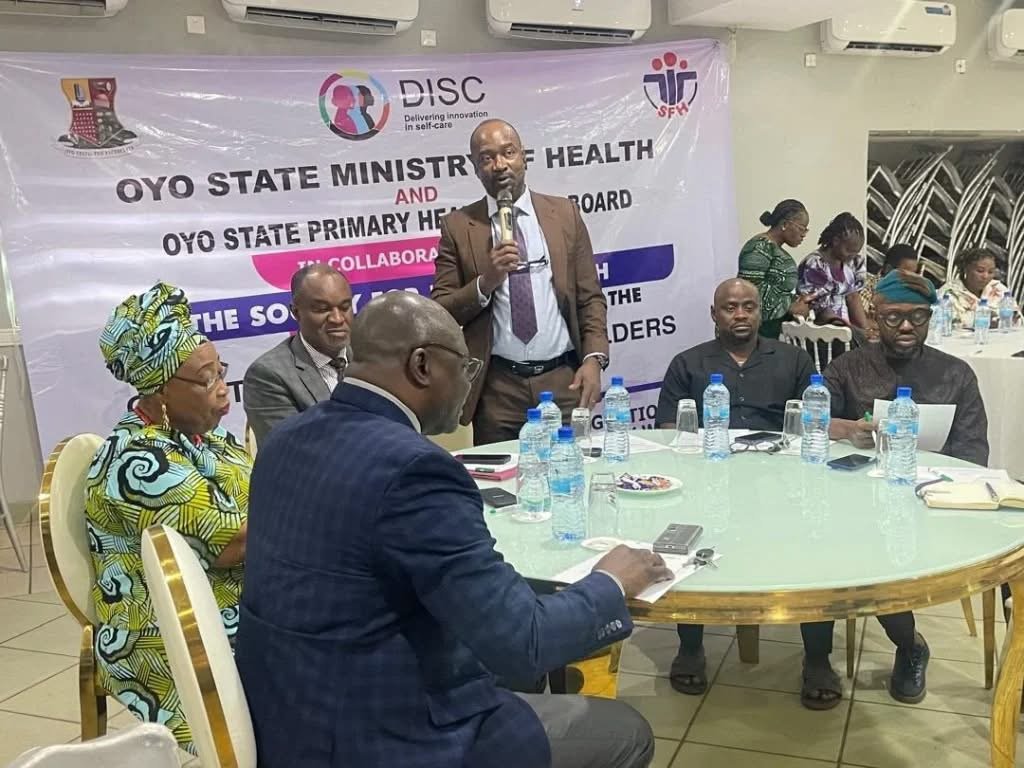
The developments were announced on Wednesday, September 23, 2026, during the Oyo State Bi-Annual Stakeholders Coordination Meeting on Family Planning held in Ibadan.
The meeting was organised by the Oyo State Ministry of Health and the Oyo State Primary Health Care Board in collaboration with the Society for Family Health (SFH).
Government Increases Funding for Family Planning
The Executive Secretary of the Oyo State Primary Health Care Board, Dr Muideen Olatunji, said the changing funding environment had made it necessary for the state government to take greater responsibility for sustaining essential health programmes.
Olatunji disclosed that Oyo invested ₦50 million in family planning commodities in 2025 and has allocated another ₦50 million for the programme in 2026.
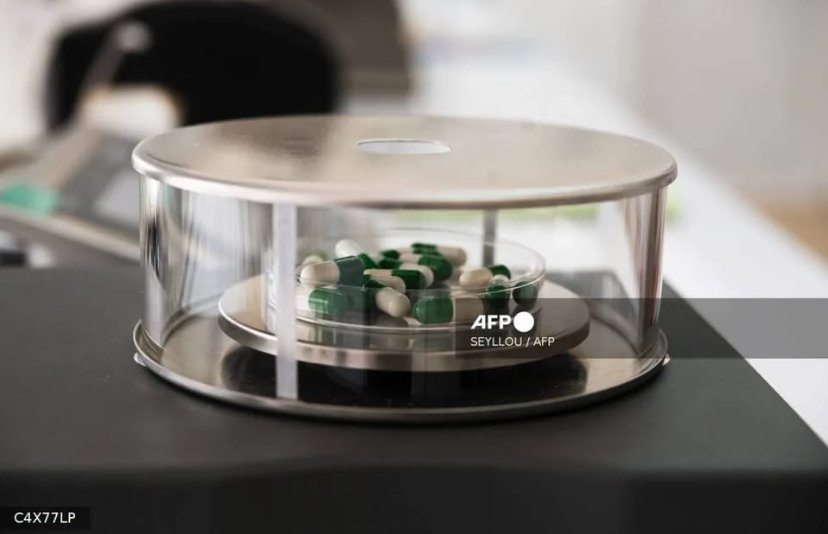
The funding is intended to support the continued availability of essential family planning commodities and reduce the risk of interruptions in service delivery.
The commitment is part of a wider effort to strengthen government ownership of healthcare programmes as development partners and external funding sources evolve.
Nearly 4,000 Healthcare Workers Recruited
Beyond family planning, Olatunji said the state had recruited nearly 4,000 healthcare personnel to strengthen its health workforce.
The recruitment is particularly significant for primary healthcare facilities, where staffing levels can directly affect the availability and quality of services provided to communities.
Radio Nigeria reported that the recruitment was disclosed by Olatunji at the stakeholder meeting, while recent reporting by the News Agency of Nigeria also quoted him as saying the state had expanded its health workforce as part of broader primary healthcare reforms.
The expansion of the workforce is intended to support healthcare delivery across communities and address manpower requirements within the state’s primary healthcare system.
Oyo’s Ministry of Health also maintains a broader human-resources strategy covering recruitment and training as part of its efforts to improve health services across the state.
351 Wards Targeted for Community Engagement
The government is also relying on community structures to improve awareness and participation in family planning services.
According to Olatunji, Ward Development Committees across Oyo’s 351 political wards are being used to encourage community participation and increase awareness of available family planning services.
The approach places community-level structures at the centre of efforts to ensure that information about family planning reaches residents beyond health facilities.
This is particularly relevant in areas where limited information, misconceptions or difficulties accessing health facilities can affect the use of reproductive health services.
Stakeholders Call for Better Public Awareness
Participants at the meeting emphasised the importance of providing accurate information to women and families so that individuals can make informed decisions about family planning.
Representing the Association of Local Governments of Nigeria (ALGON), Oyo State chapter, Vice Chairman Hon. Olayanju Kazeem called for increased awareness of family planning among women and families.
He also highlighted the importance of accurate information, particularly against the background of current economic pressures facing households.
The Iya Loja of Ibadan Land, Alhaja Risiwa Oyinlola Amiringun, called for sustained sensitisation and training for market women.
She noted that inadequate information and limited literacy could affect women’s understanding and utilisation of available family planning services.
Training Expands Across Health Facilities
The Society for Family Health’s DISC 2.0 team also reported progress in strengthening the capacity of healthcare workers.
More than 1,000 healthcare workers from 573 health facilities have been trained on family planning and counselling, according to information presented at the meeting.
Community health workers and mobilisers have also been equipped with messages intended to improve awareness and generate demand for family planning services.
The training component is important because investment in commodities alone does not guarantee effective service delivery. Health workers require appropriate technical knowledge and counselling skills to provide residents with accurate information and appropriate services.
Oyo’s Broader Reproductive Health Strategy
The renewed focus on family planning forms part of Oyo State’s wider reproductive, maternal, newborn and child health agenda.
The state’s Ministry of Health identifies family planning as one of the thematic areas under its Tọmọtìyá initiative, alongside antenatal care, newborn services, immunisation, nutrition, infrastructure, digital health and human resources for health.
The state has also continued working with development partners on sexual and reproductive health.
In August 2026, the Oyo Ministry of Health said it had collaborated with the Clinton Health Access Initiative to assess sexual, reproductive, maternal and neonatal health services across 174 health facilities, including 138 primary and 36 secondary healthcare facilities. Equipment and consumables were subsequently handed over to selected facilities.
The developments indicate that family planning is being addressed alongside wider efforts to improve maternal and primary healthcare services.
Why Family Planning Investment Matters
Family planning services are closely linked to broader reproductive and maternal health outcomes because they enable individuals and families to make informed decisions about whether and when to have children.
For the health system, reliable availability of commodities, trained personnel and functioning primary healthcare facilities are important components of sustainable service delivery.
Oyo’s decision to increase direct government funding for family planning commodities also comes as governments across Nigeria face the challenge of sustaining programmes that have historically benefited from support provided by development partners.
The state’s emphasis on government ownership is therefore significant because continuity of essential services can depend on whether domestic institutions are able to maintain financing, staffing and supply chains.
However, funding commitments alone do not establish the effectiveness of a programme. Continued monitoring of commodity availability, service utilisation, healthcare-worker capacity and outcomes will be necessary to determine whether the investments translate into improved access for residents.
Government and Partners Push for Sustainability
The stakeholder meeting also focused on government ownership and accountability under the State Health Investment Programme and MAMII at state and local government levels.
The engagement brought together government representatives, health officials, development partners and other stakeholders to review progress and identify areas requiring further attention.
Earlier in May, the Oyo State Primary Health Care Board said the state would sustain gains from the SHINE project, which focused on expanding access to hormonal intrauterine devices and strengthening family planning services. The board said the project had contributed to healthcare-worker capacity, service delivery and community engagement.
The latest meeting builds on those efforts by placing greater emphasis on sustained government financing and institutional ownership.
What Happens Next
Oyo State is expected to continue implementing its 2026 family planning allocation while working with healthcare facilities, community structures and development partners to maintain access to services.
The government will also need to sustain the recruitment and deployment of healthcare workers, strengthen commodity supply systems and continue public education if the expanded investment is to translate into consistent services across communities.
For residents, the immediate significance lies in whether the funding and workforce expansion result in better availability of family planning information, commodities and trained healthcare personnel at primary healthcare facilities.
The state government’s stated objective is to move towards a more sustainable system in which essential family planning services remain available even as the funding landscape changes.
Weng Global – stories beyond borders
Sources
- Oyo State Primary Health Care Board
- Oyo State Ministry of Health
- Radio Nigeria Ibadan Zonal Station
- News Agency of Nigeria
- Independent Newspaper Nigeria