Reported by Weng Patrick Atokor | Journalist at Weng Global
The Ebola outbreak in the Democratic Republic of Congo (DRC) has become the deadliest in the country’s history, with the World Health Organization (WHO) warning that the epidemic is still “far from being under control” despite intensified international efforts to contain its spread.
The outbreak, caused by the rare Bundibugyo species of Ebola virus, has recorded 4,945 confirmed cases and 2,325 confirmed deaths as of August 15, according to the latest figures reported by health authorities. The scale and speed of transmission have raised fears that the outbreak could become one of the deadliest Ebola epidemics ever recorded.
The current outbreak was officially declared in May 2026 after infections were detected in Ituri Province in northeastern DRC. It is the country’s 17th Ebola outbreak since the virus was first identified in 1976.
WHO has described the situation as particularly challenging because transmission is continuing across several provinces, while many infected people are not linked to known transmission chains. This makes traditional measures such as contact tracing and isolation considerably more difficult.
WHO warns of continued transmission
The WHO’s warning comes as the number of infections continues to rise rapidly.
WHO said recent increases in reported cases partly reflect stronger surveillance, laboratory testing and diagnostic capacity. However, the organisation stressed that much of the increase represents genuine expansion of the outbreak rather than simply better detection.
WHO officials have said the outbreak could still be brought under control within about three months if sufficient resources are made available and response operations are rapidly expanded.
The agency has reportedly secured about 60 per cent of the $115 million required for the emergency response, leaving a significant funding gap at a time when health teams are under increasing pressure.
WHO has also increased hospital capacity, with hundreds of additional beds being added, while more epidemiologists and other specialists are being deployed to affected areas.
However, the organisation continues to face major operational difficulties.
Conflict complicates Ebola response
One of the biggest obstacles is insecurity in eastern DRC.
The affected region has experienced years of armed conflict, population displacement and limited access to healthcare. Security problems have restricted the movement of medical teams and disrupted disease surveillance.
Health facilities and healthcare workers have also faced security threats, making it harder for authorities to identify patients early and trace people who may have been exposed.
The WHO has previously assessed the risk within DRC as very high because of continued transmission and the expansion of the outbreak into new health zones. It has also warned of increased regional risks because of population movement and cross-border trade.
The situation is particularly concerning because displaced populations often live in crowded conditions with limited access to healthcare, clean water and other basic services.
A dangerous strain with limited treatment options
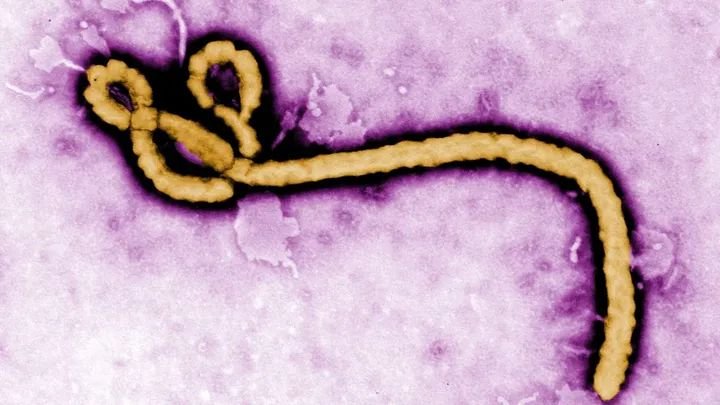
The current outbreak is being caused by the Bundibugyo virus, a strain that presents a major challenge for health authorities.
Unlike the Zaire species responsible for several previous major Ebola outbreaks, there is currently no licensed vaccine or specific treatment approved for Bundibugyo virus.
WHO says supportive care remains critical because early medical intervention can improve patients’ chances of survival. Researchers are also working on vaccine candidates and other potential interventions.
The lack of an established vaccine for the strain has increased the importance of other containment measures, including early diagnosis, isolation, infection prevention, safe burials, contact tracing and community engagement.
Why the outbreak is spreading so quickly
Health experts say several factors have combined to make the current outbreak particularly difficult to control.
Delayed detection allowed the virus to spread before the scale of the outbreak became clear. WHO and other health agencies have also faced difficulties tracing contacts because many infections are being identified outside established monitoring networks.
Reuters reported that between 70 and 80 per cent of new cases may have no clear transmission link, a sign that undetected transmission remains widespread.
Misinformation and distrust of health authorities are additional challenges.
Some communities remain reluctant to seek treatment or cooperate with response teams because of fear, misinformation and previous experiences with health interventions.
Experts say winning community trust is therefore as important as deploying medical equipment.
The International Federation of Red Cross and Red Crescent Societies has also stressed the importance of community-led approaches in stopping transmission.
Death toll surpasses previous DRC outbreak
The current outbreak has already surpassed the death toll recorded during DRC’s 2018–2020 Ebola epidemic.
The 2018–2020 outbreak killed more than 2,200 people. The latest crisis has now recorded more than 2,300 confirmed deaths, making it the deadliest Ebola outbreak in the country’s history.
Globally, however, the 2014–2016 West Africa Ebola epidemic remains far deadlier, having killed more than 11,000 people.
WHO has warned that the DRC outbreak could become an even larger international health emergency if transmission continues unchecked.
The expansion of the disease into additional provinces has heightened concerns about further spread, particularly because people regularly cross borders for trade, work, healthcare and other activities.
Uganda experience offers some hope
The regional situation also shows that aggressive public health measures can help stop transmission.
Uganda experienced an outbreak of the same Bundibugyo strain in 2026. Authorities reported no new cases after June, and the country subsequently began the surveillance period required before declaring an outbreak over.
However, WHO continues to warn that the ongoing outbreak in DRC creates a risk of imported infections because of cross-border movement.
The contrasting experiences highlight the importance of rapid detection, strong surveillance and immediate response when cases emerge.
What happens next?
The WHO believes the DRC outbreak can still be contained, but officials say the response must be significantly strengthened.
More funding is needed to maintain treatment centres, support healthcare workers, improve laboratory capacity and expand surveillance.
Authorities must also improve communication with affected communities and ensure that people understand Ebola symptoms and the importance of seeking medical care early.
The WHO has emphasised that speed, scale and cooperation will determine whether the outbreak can be brought under control.
For ordinary residents, the most important measures remain avoiding contact with bodily fluids from infected people, reporting suspected cases quickly and following instructions from trained health authorities.
The situation remains serious, but health experts say containment is still possible if governments, international organisations, health workers and communities maintain a coordinated response.
For now, however, the WHO’s assessment is clear: the DRC Ebola outbreak remains far from being under control.
Sources
- World Health Organization (WHO)
- Reuters
- Centers for Disease Control and Prevention (CDC)
- The Guardian
- Associated Press (AP)
- International Federation of Red Cross and Red Crescent Societies (IFRC)