Reported by Simon yusuph,| Journalist at wengglobal
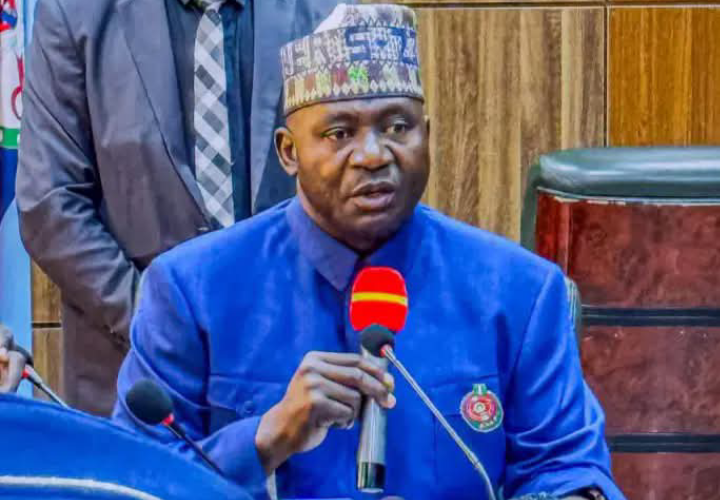
Nigeria’s Minister of Defence has expressed confidence that the Federal Government’s newly approved salary increase for members of the Armed Forces will significantly improve troop morale, operational efficiency, and the country’s ongoing fight against insurgency and other security threats.
The minister described the salary adjustment ranging from 30 percent to 80 percent depending on rank and service category as one of the most substantial welfare interventions for military personnel in recent years. According to him, the initiative demonstrates President Bola Ahmed Tinubu’s commitment to strengthening Nigeria’s armed forces while recognizing the sacrifices made by servicemen and women in safeguarding the nation.
Speaking on the development, the Defence Minister commended President Tinubu for prioritizing the welfare of military personnel despite prevailing economic challenges. He noted that improved remuneration would not only motivate troops but also enhance their effectiveness in combating insurgency, terrorism, banditry, kidnapping, and other forms of insecurity across the country.
Welfare as a Strategic Security Investment
Military experts have long argued that the welfare of security personnel plays a critical role in operational success. Better salaries, improved living conditions, quality healthcare, and family support are widely regarded as essential factors in maintaining a disciplined, motivated, and professional fighting force.
According to the Defence Minister, the newly approved salary package is expected to address longstanding concerns over inadequate compensation, particularly for personnel deployed to dangerous operational theatres in Nigeria’s North-East, North-West, North-Central, and other regions experiencing security challenges.
He emphasized that soldiers who feel valued and adequately compensated are more likely to remain committed to national service and execute their duties with greater dedication.
“The welfare of our troops remains central to the success of military operations. This salary review reflects the administration’s appreciation of their sacrifices and determination to provide them with better working conditions,” the minister said.
Boosting Nigeria’s Fight Against Insurgency
Nigeria has battled insurgency and violent extremism for more than a decade, particularly in the North-East, where military forces continue operations against Boko Haram and the Islamic State West Africa Province (ISWAP). In addition to terrorism, the armed forces are simultaneously confronting armed banditry, communal violence, oil theft, piracy, and kidnapping across several parts of the country.
Security analysts believe that improved welfare packages can strengthen military effectiveness by increasing troop motivation, reducing financial hardship, and supporting recruitment and retention of qualified personnel.
The Defence Minister maintained that while improved salaries alone would not eliminate security threats, they form an important component of broader reforms aimed at modernizing Nigeria’s defence architecture.
He added that the Tinubu administration remains committed to equipping the military with modern weapons, surveillance technology, intelligence capabilities, and logistical support alongside better welfare packages.
Tinubu Administration’s Security Agenda
Since assuming office, President Bola Tinubu has repeatedly identified national security as one of his administration’s top priorities. The government has pledged to restore peace across affected regions while implementing reforms designed to strengthen Nigeria’s security institutions.
The latest salary review follows several measures aimed at improving the operational capacity of the Armed Forces, including procurement of military equipment, enhanced intelligence coordination among security agencies, and increased investment in defence infrastructure.
Government officials argue that sustaining military operations requires not only modern equipment but also adequate investment in the personnel responsible for protecting Nigeria’s territorial integrity.
Addressing Longstanding Welfare Concerns
Military welfare has remained a recurring issue in Nigeria’s security discourse. Over the years, serving personnel, retired officers, and defence stakeholders have called for improved salaries and better welfare benefits, arguing that rising living costs have placed considerable financial pressure on troops and their families.
Analysts note that improved remuneration could contribute to higher morale while reducing stress associated with financial insecurity. Better welfare may also strengthen professionalism within the armed forces by reinforcing institutional commitment and reducing incentives for misconduct.
However, experts caution that salary increases should be accompanied by broader reforms, including improved housing, healthcare services, insurance coverage, timely payment of allowances, career development opportunities, and enhanced support for injured personnel and families of fallen soldiers.
Security Challenges Remain Complex
Despite sustained military operations, Nigeria continues to face multiple security threats across different regions. Insurgency in the North-East persists, while armed banditry, farmer-herder conflicts, kidnapping for ransom, separatist violence, and attacks on critical infrastructure continue to challenge security agencies.
Observers believe that addressing these complex threats requires a comprehensive approach that combines military action with economic development, community engagement, intelligence gathering, border security, and regional cooperation with neighbouring countries.
The Defence Minister acknowledged the complexity of the security environment but expressed optimism that improved troop welfare would enhance operational readiness and contribute to ongoing efforts to restore lasting peace.
Public Reactions and Policy Implications
The salary increase has generated positive reactions from many defence observers, military veterans, and public policy analysts, who view the decision as a recognition of the sacrifices made by Nigerian troops.
Some analysts have described the move as a significant morale booster, particularly for personnel serving in high-risk combat zones. Others have urged the government to ensure that the implementation process is transparent and that all eligible personnel benefit promptly from the revised salary structure.
Economic experts also note that while increased military expenditure carries fiscal implications, investment in national security remains essential for economic stability, investor confidence, and sustainable development.
As Nigeria continues confronting evolving security threats, policymakers are expected to balance welfare improvements with continued investments in military modernization, intelligence capabilities, and institutional reforms.
The Defence Minister reiterated that the Federal Government remains determined to provide the Armed Forces with the resources required to defend the nation effectively, expressing confidence that the improved salary structure will reinforce operational commitment and contribute to stronger anti-insurgency efforts.
For many serving military personnel, the announcement represents not only financial relief but also official recognition of the risks and sacrifices associated with defending one of Africa’s largest and most strategically important nations.
Sources
- Federal Ministry of Defence (Nigeria)
- Presidency of the Federal Republic of Nigeria
- News Agency of Nigeria (NAN)
- Reuters
- Premium Times
- Channels Television
- Punch Newspapers