Reported by Simon yusuph,| Journalist at wengglobal
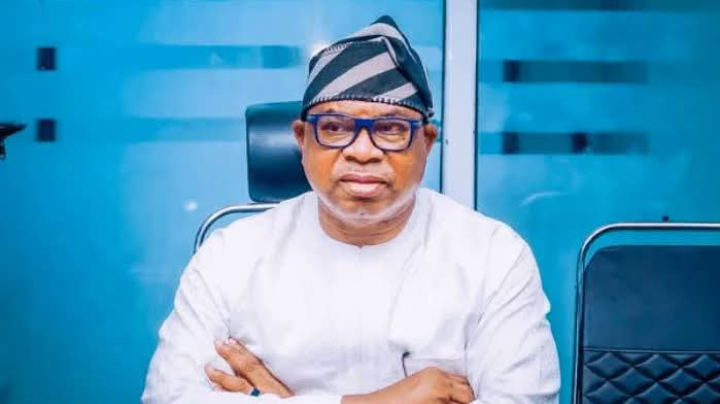
The Speaker of the Imo State House of Assembly, Chike Olemgbe, has reaffirmed the legislature’s commitment to advancing women’s political participation by expressing support for a proposed constitutional amendment that seeks to reserve additional legislative seats exclusively for women across Nigeria.
Olemgbe’s endorsement comes amid growing national conversations on gender inclusion, democratic representation, and the need to bridge the longstanding gender gap in elective political offices. The proposed legislation, widely known as the Women’s Reserved Seats Bill, aims to create three additional seats for women in every State House of Assembly and designated seats in the National Assembly as part of broader constitutional reforms designed to increase female representation in governance.
Speaking during engagements focused on constitutional reforms and inclusive governance, the Speaker emphasized that democracy thrives when all segments of society are adequately represented. According to him, increasing women’s participation in legislative decision-making would enrich public policy, strengthen democratic institutions, and ensure that governance reflects the interests of Nigeria’s diverse population.
Addressing Nigeria’s Gender Representation Gap
Nigeria remains one of the countries with the lowest levels of female political representation in Africa despite women accounting for nearly half of the country’s population. Over several election cycles, women have continued to face significant structural, financial, cultural, and political barriers that limit their access to elective offices.
Political analysts have consistently pointed to high campaign costs, political violence, limited party support, entrenched cultural norms, and unequal access to political networks as major obstacles preventing women from contesting and winning elections.
Supporters of the reserved seats proposal argue that temporary affirmative action measures are necessary to correct decades of systemic exclusion and create pathways for more women to participate meaningfully in governance.
Olemgbe noted that providing constitutionally guaranteed seats for women would not diminish democratic competition but rather expand representation and ensure that capable female leaders have greater opportunities to contribute to legislative processes.
Constitutional Reform Gains Momentum
The Women’s Reserved Seats Bill forms part of ongoing constitutional amendment efforts currently receiving attention across Nigeria’s federal and state legislatures. Public hearings and stakeholder consultations have drawn participation from lawmakers, civil society organisations, women’s advocacy groups, traditional institutions, academics, and development partners.
Advocates believe the proposed constitutional changes could significantly improve Nigeria’s standing on global gender equality indicators while strengthening democratic governance.
If eventually adopted, the amendment would introduce additional legislative seats reserved exclusively for women without replacing existing constituency seats, thereby increasing opportunities for female participation rather than reducing representation for current constituencies.
Supporters also argue that similar affirmative action models have produced positive outcomes in several African countries where constitutional or legislative quotas have substantially increased women’s participation in parliament.
Why Women’s Representation Matters
Research by international governance institutions suggests that greater female participation in legislative bodies often contributes to broader policy discussions on healthcare, education, child welfare, economic inclusion, social protection, security, and community development.
Development experts argue that diverse legislatures are generally better positioned to consider the needs of wider segments of society, leading to more inclusive policymaking.
Women’s rights organisations have long maintained that increasing female representation is not merely about achieving numerical balance but about strengthening democratic legitimacy and ensuring equal opportunities in political leadership.
For many advocates, the reserved seats proposal represents an important transitional mechanism that can help dismantle longstanding barriers while encouraging political parties to invest more deliberately in female leadership development.
Mixed Reactions Across Political Landscape
While the proposal has attracted widespread support from gender advocacy organisations and many lawmakers, it has also generated debate among political stakeholders.
Some critics argue that reserved seats may create a perception of preferential treatment or weaken merit-based competition. Others maintain that political parties should instead focus on internal reforms that encourage more women to emerge through conventional electoral contests.
However, proponents counter that structural inequalities have historically prevented women from competing on equal terms, making temporary affirmative measures both necessary and constitutionally justifiable.
They point to examples from countries such as Rwanda, Senegal, South Africa, and other African democracies where affirmative representation policies have significantly increased women’s participation in legislative institutions.
Imo Assembly Signals Readiness
Olemgbe’s endorsement positions the Imo State House of Assembly among legislatures expressing willingness to support constitutional reforms aimed at promoting gender inclusion.
Observers believe endorsements from state legislatures could play an important role as constitutional amendment processes require broad support across Nigeria’s federal and state legislative institutions before becoming law.
Political observers also note that visible support from influential legislative leaders may encourage broader conversations among political parties, civil society organisations, and citizens regarding inclusive governance and democratic reforms.
Wider Implications for Nigerian Democracy
The debate surrounding women’s reserved seats reflects broader discussions about the future of Nigeria’s democracy and the importance of ensuring that governance institutions adequately represent all citizens.
Across Africa, countries implementing various forms of affirmative representation have generally recorded higher levels of female parliamentary participation compared to Nigeria.
Governance experts argue that improving women’s representation could contribute to stronger institutions, better oversight, more inclusive policymaking, and enhanced public confidence in democratic processes.
Although the constitutional amendment process remains ongoing, growing endorsements from legislative leaders such as Speaker Chike Olemgbe suggest increasing momentum behind reforms designed to promote greater gender balance in Nigeria’s political system.
Whether the proposal ultimately secures the constitutional support required for adoption will depend on continued legislative deliberations, stakeholder engagement, and consensus-building across the country. Nonetheless, the discussion has already elevated national attention on one of Nigeria’s most persistent democratic challenges: ensuring that women have equitable opportunities to participate in political leadership and decision-making.
As constitutional reform efforts continue, advocates maintain that increasing women’s representation is essential not only for gender equality but also for strengthening democratic governance, improving policy outcomes, and building institutions that reflect the aspirations of all Nigerians.
Sources
- Premium Times Nigeria
- The Punch
- Vanguard Nigeria
- Channels Television
- Daily Trust
- Nigerian Tribune
- National Assembly of Nigeria
- UN Women
- Inter-Parliamentary Union (IPU)