Reported by Simon yusuph,| Journalist at wengglobal
Nigeria’s fight against illicit drug trafficking has recorded another significant breakthrough after the National Drug Law Enforcement Agency (NDLEA) intercepted more than 1.5 million pills of tramadol concealed in trucks entering the country from neighbouring Togo. The latest operation underscores the agency’s growing efforts to dismantle transnational drug trafficking networks operating across West Africa and reflects the broader regional challenge posed by the illegal movement of controlled substances.
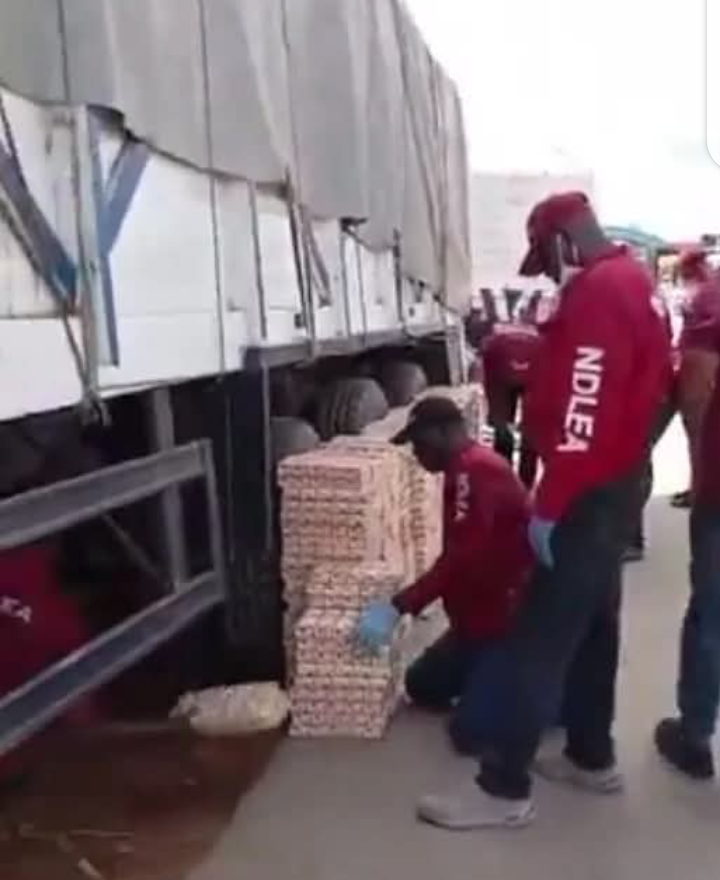
The seizure, announced by the NDLEA, represents one of the latest high-profile interceptions in the agency’s sustained campaign against criminal syndicates exploiting West Africa’s porous borders to smuggle dangerous narcotics into Nigeria. According to the anti-drug agency, the tramadol consignments were carefully hidden inside trucks in an apparent attempt to evade security screening before operatives uncovered the illicit cargo during intelligence-led operations.
Authorities described the interception as a major setback for organized criminal networks that rely on cross-border transportation routes linking Nigeria with neighbouring countries, including Togo, Benin, Niger, and Ghana. The successful operation further demonstrates the increasing sophistication of intelligence gathering and coordinated enforcement strategies employed by the NDLEA.
A Major Blow to Drug Trafficking Networks
The seizure of more than 1.5 million tramadol pills highlights the enormous scale of illegal pharmaceutical trafficking in West Africa. Tramadol, while legally prescribed in controlled doses for pain management, has become one of the most abused opioids across the region. Criminal organizations frequently smuggle the medication in quantities far exceeding approved pharmaceutical standards, feeding an expanding black market that fuels addiction, insecurity, and organized crime.
Investigators believe traffickers often conceal narcotics inside commercial cargo to reduce suspicion at border checkpoints. The trucks intercepted by NDLEA operatives reportedly carried the illicit consignments alongside legitimate goods, a tactic commonly employed by trafficking syndicates attempting to bypass customs and law enforcement inspections.
The agency has not disclosed the full street value of the seized drugs or the identities of those arrested in connection with the operation, as investigations continue to identify everyone linked to the smuggling network.
Growing Regional Security Challenge
The latest seizure comes amid increasing concerns over the proliferation of illicit drugs across West Africa. Security analysts have repeatedly warned that criminal organizations exploit weak border controls, informal trade routes, and extensive regional transport networks to move narcotics between countries.
Nigeria’s strategic geographic position makes it both a destination and transit point for various illicit substances moving across Africa and beyond. Consequently, the NDLEA has expanded intelligence-sharing and joint enforcement efforts with domestic security agencies and international partners to disrupt trafficking routes before drugs reach local communities.
The interception also reinforces growing calls for stronger regional cooperation among member states of the Economic Community of West African States (ECOWAS) to combat cross-border organized crime. Experts argue that drug trafficking cannot be effectively addressed by individual countries acting alone, given the transnational nature of criminal syndicates operating across multiple jurisdictions.
The Public Health Impact of Tramadol Abuse
Beyond law enforcement concerns, Nigeria continues to face a significant public health challenge stemming from widespread tramadol abuse. Medical professionals have consistently warned that excessive or unauthorized consumption of the opioid can result in severe physical and psychological dependence.
Health experts say prolonged misuse may lead to addiction, seizures, respiratory complications, mental health disorders, impaired judgment, and, in severe cases, fatal overdoses. Young people remain particularly vulnerable, with illegal supplies often distributed through underground markets where dosage levels are neither regulated nor medically supervised.
Successive anti-drug campaigns have emphasized that tackling drug abuse requires more than seizures and arrests. Public awareness, rehabilitation services, education, and stronger healthcare interventions remain essential components of a comprehensive national drug control strategy.
NDLEA’s Expanding Enforcement Operations
The latest operation adds to a series of major seizures recorded by the NDLEA in recent months as the agency intensifies enforcement nationwide. Under its ongoing anti-narcotics campaign, operatives have intercepted large consignments of cocaine, cannabis, methamphetamine, heroin, codeine-based syrups, and other controlled substances at airports, seaports, highways, courier facilities, and land borders.
The agency has increasingly relied on intelligence-driven operations rather than routine checkpoints alone, allowing officers to target suspected trafficking networks with greater precision. Officials say this strategy has improved seizure rates while helping investigators dismantle criminal supply chains rather than merely intercepting isolated shipments.
In addition to enforcement, the NDLEA continues to implement preventive initiatives aimed at discouraging drug abuse through public education programmes, school outreach campaigns, community engagement, and rehabilitation support for individuals struggling with substance dependence.
Cross-Border Cooperation Remains Critical
The interception of trucks arriving from Togo once again highlights the importance of cross-border collaboration in tackling organized crime. Nigeria shares thousands of kilometres of land borders with neighbouring countries, creating opportunities for legitimate commerce but also presenting significant security challenges.
Experts argue that stronger intelligence exchange, harmonized customs procedures, joint border patrols, and improved surveillance technologies are necessary to reduce opportunities for traffickers. Enhanced cooperation among customs agencies, immigration authorities, police forces, and anti-drug organizations across West Africa is increasingly viewed as essential to disrupting regional trafficking corridors.
International organizations, including the United Nations Office on Drugs and Crime (UNODC), have repeatedly encouraged greater regional coordination to combat illicit trafficking while strengthening criminal justice systems and supporting preventive public health measures.
Government’s Commitment Against Illicit Drugs
The Federal Government has consistently reaffirmed its commitment to combating narcotics trafficking and organized crime through increased support for the NDLEA and other security institutions. Recent investments in intelligence capabilities, training, surveillance equipment, and inter-agency collaboration have contributed to several high-profile seizures across the country.
Officials maintain that reducing the availability of illicit drugs is closely linked to broader national security objectives, including combating violent crime, insurgency financing, youth criminality, and public health risks.
Security observers note that while significant seizures disrupt criminal operations, sustained success will require continued investment in border management, judicial processes, community awareness, and rehabilitation programmes for affected individuals.
Looking Ahead
The interception of more than 1.5 million tramadol pills concealed inside trucks from Togo represents another significant achievement in Nigeria’s campaign against illicit drug trafficking. It reflects the growing capacity of the NDLEA to detect increasingly sophisticated smuggling methods while reinforcing the urgent need for sustained regional cooperation against organized criminal networks.
As investigations continue, authorities are expected to pursue all individuals connected to the smuggling operation while strengthening surveillance along key border corridors. The seizure also serves as a reminder that combating drug trafficking demands a balanced approach combining effective law enforcement, international collaboration, public education, and accessible rehabilitation services.
For Nigeria and the wider West African region, disrupting illegal narcotics networks remains central to protecting public health, enhancing national security, and safeguarding future generations from the devastating consequences of drug abuse.
Sources
- National Drug Law Enforcement Agency (NDLEA)
- News Agency of Nigeria (NAN)
- Reuters
- Punch Newspapers
- Premium Times
- Channels Television
- United Nations Office on Drugs and Crime (UNODC)