Reported by Simon yusuph,| Journalist at wengglobal
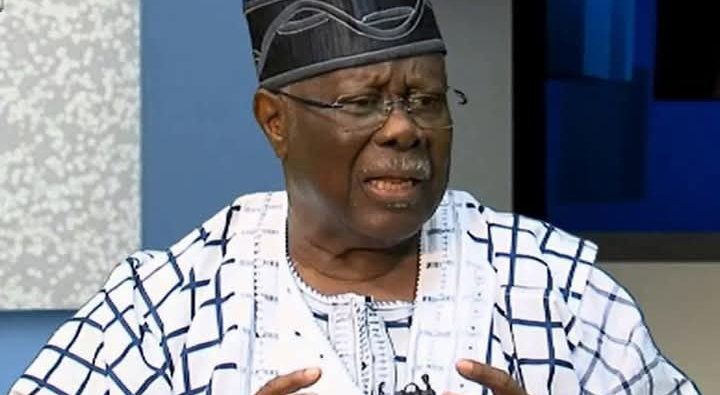
LAGOS, Nigeria Former Deputy National Chairman of the Peoples Democratic Party (PDP), Chief Bode George, has attributed the recurring floods devastating several parts of Lagos State to what he described as the “greedy” and indiscriminate sand-filling of the Lagos Lagoon, warning that unchecked land reclamation is undermining the city’s natural flood management system.
Speaking against the backdrop of recent heavy rainfall that submerged homes, roads and businesses across Nigeria’s commercial capital, George argued that years of aggressive reclamation activities have significantly reduced the lagoon’s capacity to absorb excess water during the rainy season.
His remarks have renewed public debate over urban planning, environmental protection and the long-term sustainability of rapid coastal development in one of Africa’s fastest-growing megacities.
According to George, the relentless conversion of wetlands and lagoon areas into residential and commercial estates has disrupted the natural drainage channels that historically allowed floodwaters to flow freely into the Atlantic Ocean.
He maintained that while climate change and increasingly intense rainfall contribute to flooding, human activities puarticularly unauthorized or poorly regulated sand-filling have become one of the leading drivers of the crisis.
“Lagos was designed by nature with wetlands and lagoons that serve as natural buffers against flooding,” George said, stressing that replacing these ecosystems with concrete infrastructure inevitably increases the city’s vulnerability during the rainy season.
Environmental experts have echoed similar concerns over the years, warning that wetlands play a critical role in absorbing stormwater, preventing erosion, supporting biodiversity and reducing the impact of extreme weather events. Their destruction, experts say, leaves coastal cities exposed to more severe flooding.
Growing Pressure on Lagos’ Urban Infrastructure
Lagos, home to an estimated population exceeding 20 million people, continues to experience rapid urban expansion driven by population growth and economic development. This expansion has intensified demand for land, leading to extensive reclamation projects along waterfronts and lagoon corridors.
While many of these projects have boosted real estate investment and commercial activity, critics argue that environmental safeguards have often failed to keep pace with development.
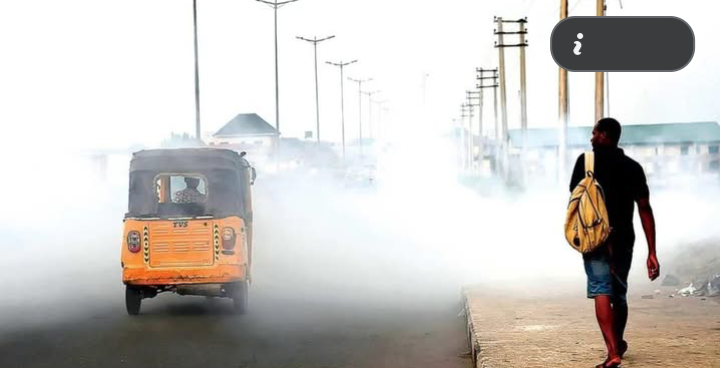
Flooding has become an almost annual occurrence across several communities including Lekki, Ajah, Victoria Island, Ikoyi, Surulere, Agege, Ikeja and other densely populated districts.
During periods of prolonged rainfall, roads become impassable, businesses suspend operations, and residents face property losses running into billions of naira.
The situation also poses significant public health risks as stagnant floodwaters increase the likelihood of waterborne diseases such as cholera, typhoid and other sanitation-related illnesses.
Calls for Stronger Environmental Regulation
George urged authorities at both the federal and state levels to enforce stricter environmental regulations governing coastal development.
He emphasized that development should never come at the expense of ecological sustainability, calling on regulators to review existing approvals for land reclamation projects and ensure full compliance with environmental impact assessments.
According to him, effective urban planning requires balancing economic growth with environmental preservation.
He also encouraged government agencies responsible for physical planning, drainage management and environmental protection to collaborate more closely in addressing the root causes of flooding rather than relying solely on emergency responses after disasters occur.
Climate Change Adds Another Layer of Risk
Although George focused largely on sand-filling activities, climate scientists note that Lagos also faces increasing risks from climate change.
Rising sea levels, heavier rainfall patterns and more frequent extreme weather events are placing additional pressure on the city’s already stretched drainage infrastructure.
The Nigerian Meteorological Agency (NiMet) and the Nigeria Hydrological Services Agency (NIHSA) have repeatedly warned residents in flood-prone communities to remain vigilant during the rainy season, with forecasts indicating elevated flood risks across several states, including Lagos.
Urban planners argue that addressing these challenges will require significant investment in resilient infrastructure, improved drainage systems, protection of wetlands and stronger enforcement against illegal construction on waterways.
Need for Sustainable Urban Development
Experts say Lagos’ experience mirrors challenges confronting many rapidly expanding coastal cities across Africa, where economic development often competes with environmental conservation.
Sustainable urban development, they argue, depends on integrating environmental considerations into city planning from the outset.
Measures frequently recommended include restoring degraded wetlands, expanding green infrastructure, improving stormwater drainage, enforcing building regulations and promoting climate-resilient urban design.
Residents have also called for regular desilting of drainage channels, stricter penalties for illegal dumping of waste into waterways and greater public awareness regarding environmental responsibility.
Government’s Ongoing Flood Mitigation Efforts
The Lagos State Government has consistently maintained that it is investing in flood-control infrastructure through drainage expansion, canal dredging and continuous cleaning of waterways.
Officials have also repeatedly warned against indiscriminate waste disposal, which contributes significantly to blocked drainage systems during heavy rainfall.
Authorities say enforcement teams continue to monitor illegal structures obstructing drainage channels while urging residents to comply with environmental regulations.
However, environmental advocates insist that these efforts should be complemented by stronger oversight of land reclamation projects and long-term ecological planning.
Balancing Growth and Environmental Protection
The debate sparked by George’s comments underscores a broader policy challenge facing Lagos: how to accommodate rapid urban growth while safeguarding the natural ecosystems that protect the city from environmental hazards.
As Africa’s leading commercial hub continues to expand, experts warn that future development strategies must prioritize resilience alongside economic ambition.
Without comprehensive planning, they caution, flooding could become increasingly severe, threatening livelihoods, infrastructure, public health and investor confidence.
For millions of Lagos residents, the annual flood season remains a reminder that sustainable environmental management is not merely an ecological concern but an economic and humanitarian imperative.
As policymakers, environmental experts and community leaders continue discussions on the future of Lagos’ coastal development, George’s intervention has once again brought renewed attention to the need for stronger regulation, scientific planning and responsible stewardship of the city’s fragile ecosystem.
Sources
- Punch Newspapers
- Vanguard Nigeria
- The Guardian Nigeria
- Channels Television
- Premium Times Nigeria
- Nigerian Meteorological Agency (NiMet)
- Nigeria Hydrological Services Agency (NIHSA)