Reported by Weng Patrick Atokor | Journalist at Weng Global
The legal counsel to the Indigenous People of Biafra (IPOB), Ifeanyi Ejiofor, has attributed the low participation of many Igbo youths in Nigerian Army recruitment exercises to what he described as decades of perceived marginalisation, historical grievances, and a lack of trust in the military institution.
Ejiofor made the remarks while reacting to recurring concerns over the poor turnout of applicants from states in Nigeria’s South-East during military recruitment exercises. According to him, the issue goes beyond a lack of interest in military service and reflects deeper concerns rooted in the region’s relationship with the Nigerian state.
His comments come amid renewed conversations over regional representation in the country’s armed forces after military authorities repeatedly encouraged greater participation from South-East youths to ensure equitable representation across Nigeria’s six geopolitical zones.
Historical experiences shape perceptions
Ejiofor argued that many young people in the South-East remain influenced by historical events, particularly the memories of the Nigerian Civil War and subsequent experiences that have shaped public perception of the military.
He maintained that many families still carry memories of the conflict, while more recent security operations in the South-East have further deepened suspicion among sections of the population.
According to the IPOB lawyer, these experiences have created a psychological barrier that discourages many young people from pursuing careers in the armed forces despite employment opportunities available through military recruitment.
He stressed that rebuilding confidence would require deliberate efforts by the Federal Government to address longstanding grievances and foster genuine national reconciliation.
Calls for trust-building
Ejiofor said improving participation among South-East youths would require more than recruitment campaigns.
He argued that authorities should prioritise fairness, equal treatment, justice, and inclusive governance if they expect greater confidence from young people in the region.
According to him, policies that promote equal opportunities and demonstrate respect for the rights of all Nigerians, regardless of ethnicity or region, would contribute significantly to changing perceptions.
He also urged the government to address allegations of discrimination and ensure that all regions feel adequately represented within national institutions.
Nigerian Army has repeatedly encouraged South-East participation
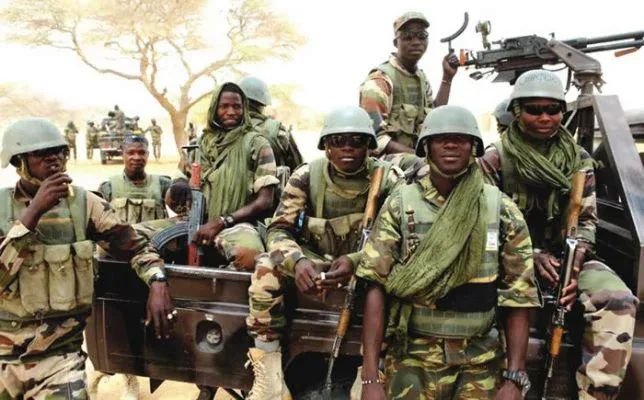
The Nigerian Army has, on several occasions, expressed concern over the low number of applicants from South-East states during recruitment exercises.
Military authorities have consistently emphasised that recruitment into the armed forces follows constitutional provisions and is intended to reflect Nigeria’s federal character.
Officials have encouraged community leaders, traditional rulers, religious organisations, and state governments within the South-East to sensitise eligible youths on the benefits of military careers.
The Army has also maintained that greater participation from the region would help improve representation within the institution while providing employment and career opportunities for qualified young Nigerians.
Mixed reactions
Ejiofor’s remarks have generated debate among Nigerians.
Supporters argue that historical experiences and recent security operations have influenced public attitudes in parts of the South-East, making trust-building an important step toward improving participation.
Others, however, believe military recruitment should remain a national responsibility beyond ethnic or political considerations, insisting that the armed forces belong to every Nigerian regardless of regional differences.
Security analysts have also noted that restoring public confidence requires sustained dialogue, transparency, and continued adherence to human rights standards during security operations.
Broader national conversation
The discussion comes as Nigeria continues efforts to strengthen national unity while addressing security challenges across different regions.
Analysts say improving representation in national institutions requires consistent engagement with communities, equal access to opportunities, and confidence-building measures that reassure citizens of fairness and inclusion.
They also argue that sustained investment in education, employment, and civic engagement can help encourage more young Nigerians to consider careers in public service, including the armed forces.
For many observers, the debate surrounding South-East participation in military recruitment highlights broader questions about national cohesion, trust in public institutions, and the relationship between citizens and the state.
As recruitment into the Nigerian Army continues, stakeholders say addressing perceptions through dialogue, transparency, and inclusive policies may prove as important as recruitment campaigns themselves.
Neither the Nigerian Army nor the Federal Government immediately issued a response specifically addressing Ejiofor’s latest remarks at the time of reporting. However, the military has consistently maintained that its recruitment process is open to all qualified Nigerians irrespective of ethnic, religious, or regional background.
The conversation is expected to continue as policymakers, community leaders, and security stakeholders seek ways to improve national integration while ensuring that every region is adequately represented in Nigeria’s security institutions.
Sources:
- Vanguard Nigeria
- Punch Newspapers
- The Guardian Nigeria
- Daily Post Nigeria
- Nigerian Army