Reported by Simon yusuph, | Journalist at wengglobal
State Police Reform Could Transform Nigeria’s Security Architecture, Says IGP Tunji Disu
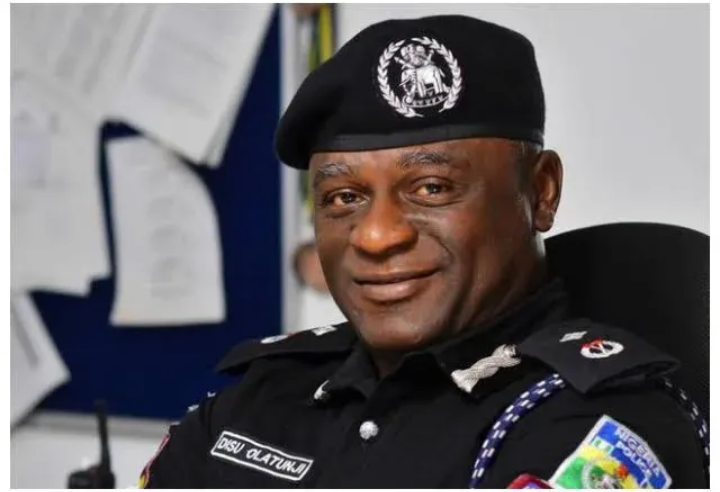
The Inspector-General of Police (IGP), Tunji Disu, has reiterated his support for the establishment of state police in Nigeria, arguing that decentralizing policing would significantly strengthen the country’s internal security architecture, deepen community policing, and improve intelligence gathering at the grassroots level.
Speaking during a public engagement on Nigeria’s evolving security landscape, the police chief said a state policing system would bring law enforcement closer to the people, allowing security agencies to better understand local dynamics, respond more swiftly to threats, and build stronger trust between citizens and security institutions.
Disu’s remarks come at a time when Nigeria continues to grapple with multiple security challenges, including banditry, kidnapping, terrorism, communal clashes, farmer-herder conflicts, cult-related violence, and urban crime. These threats have intensified nationwide discussions over whether the country’s centralized policing model remains adequate for addressing increasingly localized security concerns.
According to the IGP, security is most effective when law enforcement personnel possess intimate knowledge of the communities they serve.
“State police will bring security closer to Nigerians. It will deepen community policing and improve intelligence gathering because officers will better understand the terrain, culture, language, and security realities of their communities,” he said.
Renewed Calls for Police Decentralization
The debate over state police has remained one of Nigeria’s most significant constitutional and security reform issues for more than two decades. While Nigeria currently operates a centralized police structure under the Nigeria Police Force (NPF), many security experts, governors, traditional rulers, and civil society organizations have consistently advocated for a decentralized model.
Supporters argue that a centralized police force struggles to effectively police a country of more than 220 million people with diverse ethnic, cultural, and geographical realities. They believe that empowering states to establish and manage their own police services would enhance rapid response, improve crime prevention, and foster stronger collaboration between security agencies and local communities.
Disu echoed these arguments, emphasizing that officers recruited locally would possess valuable knowledge about their environments, making intelligence gathering more accurate and operational responses more efficient.
He noted that community trust remains one of the strongest weapons against crime, adding that residents are generally more willing to share sensitive information with officers they know and identify with.
Community Policing at the Centre of Reform
The IGP stressed that state policing should not merely involve creating additional police commands but should reinforce the principles of community policing already being promoted within the Nigeria Police Force.
Community policing encourages partnerships between security agencies, traditional institutions, religious leaders, youth groups, women organizations, and residents to collectively identify and address security threats before they escalate.
According to Disu, local participation remains essential in preventing violent crimes and improving public confidence in law enforcement.
He explained that improved intelligence gathering often begins with citizens who are willing to report suspicious movements, criminal hideouts, illegal arms, and emerging security threats.
Such cooperation, he said, becomes easier when police officers are viewed as familiar members of the community rather than distant representatives of a centralized institution.
Nigeria’s Complex Security Challenges
Nigeria’s security environment has become increasingly complex in recent years.
The North-East continues to confront terrorism linked to extremist groups, while parts of the North-West and North-Central experience frequent attacks by armed bandits and kidnappers. Southern states have also recorded incidents of cult violence, armed robbery, oil theft, piracy, separatist-related unrest, and communal disputes.
Security analysts argue that the diversity of these threats requires policing strategies tailored to local realities rather than a uniform national approach.
Disu maintained that localized policing could significantly improve surveillance, intelligence collection, and rapid intervention.
He also noted that timely intelligence remains one of the most effective tools in preventing attacks before they occur.
Constitutional Debate Continues
Despite growing support, the proposal for state police continues to generate vigorous debate across Nigeria.
Opponents argue that state police could become vulnerable to political interference, particularly during elections or periods of political tension. Concerns have also been raised about possible abuse of power by state governments, unequal funding among states, and the potential for jurisdictional conflicts between federal and state security agencies.
Legal scholars have pointed out that establishing state police would require constitutional amendments because policing is currently listed under the Exclusive Legislative List in Nigeria’s Constitution.
Successive constitutional review committees have examined proposals relating to state policing, while the National Economic Council and the Nigeria Governors’ Forum have repeatedly expressed support for reforms aimed at decentralizing internal security.
Several state governments have also invested in complementary security initiatives, including regional security outfits and local vigilante organizations, to address gaps in policing while awaiting broader constitutional reforms.
Growing Support Among Stakeholders
Calls for state police have gained momentum among governors, traditional rulers, security professionals, retired military officers, and policy experts.
Many argue that Nigeria’s existing police-to-population ratio remains below international recommendations, making it difficult for the Nigeria Police Force to adequately cover all communities.
Security experts have also highlighted the logistical challenges of managing law enforcement from a centralized command structure in a country with 36 states, the Federal Capital Territory, and thousands of communities.
Supporters believe decentralized policing would allow faster deployment of officers, more efficient crime prevention, and stronger accountability to local communities.
Safeguards Remain Essential
While expressing support for state police, many governance experts insist that adequate safeguards must accompany any constitutional reforms.
These include clear operational guidelines, independent oversight mechanisms, professional recruitment standards, judicial protections, transparent funding arrangements, and safeguards against political misuse.
Analysts also recommend maintaining strong coordination between federal and state security agencies to ensure seamless intelligence sharing and joint operations against transnational crimes such as terrorism, human trafficking, cybercrime, arms smuggling, and organized criminal networks.
Strengthening Public Confidence
Public confidence remains central to any successful policing model.
Over the years, several reform panels have recommended measures aimed at improving police accountability, professionalism, welfare, training, and human rights compliance.
Disu acknowledged that public trust must remain a priority regardless of the policing structure eventually adopted.
He emphasized that improved officer training, ethical conduct, technology-driven policing, and stronger partnerships with communities would remain essential components of effective law enforcement.
According to him, security agencies can only succeed when citizens willingly cooperate with them and believe that their concerns are taken seriously.
Looking Ahead
The renewed endorsement of state police by the Inspector-General adds further momentum to Nigeria’s ongoing conversation about constitutional reform and internal security restructuring.
As lawmakers, governors, security agencies, and civil society continue deliberations, the central question remains how best to design a policing framework capable of addressing Nigeria’s evolving security realities while safeguarding democratic accountability and human rights.
For many observers, the debate is no longer whether Nigeria requires significant policing reforms, but how those reforms should be implemented to balance efficiency, professionalism, local accountability, and national unity.
Whether state police eventually becomes part of Nigeria’s constitutional framework will depend on political consensus, legislative action, and public confidence that appropriate safeguards can prevent abuse while strengthening security for millions of Nigerians.
For now, the Inspector-General’s position reinforces growing calls for a policing model that is more community-focused, intelligence-driven, and responsive to the everyday security concerns of citizens across the federation.
Sources
- Channels Television
- Punch Newspapers
- Premium Times
- Vanguard Nigeria
- The Guardian Nigeria
- Nigerian Tribune
- Daily Trust
- News Agency of Nigeria (NAN)